
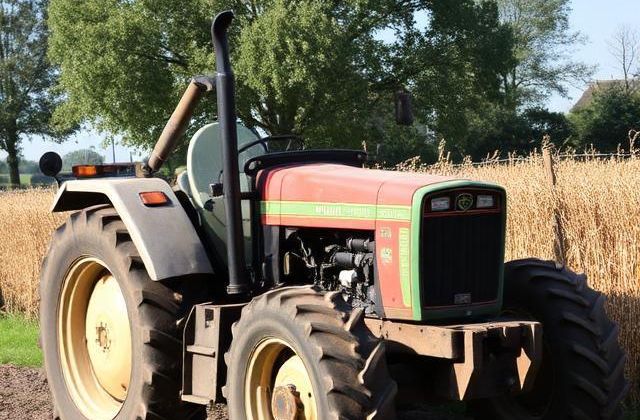

In the landscape of the British countryside, the concept of a "successful season" is currently being redefined. As of March 2026, the focus has shifted from mere yield per acre to the strategic management of a high-volatility energy portfolio. For the modern producer, the relationship with their farm fuel supplier has evolved into a high-stakes partnership centred on "kinetic equilibrium"—the delicate balance between maintaining traditional power reliability and integrating the low-carbon innovations required for the future.
The Market Pulse: Red Diesel in a High-Volatility Era
Despite the emergence of alternative power sources, the internal combustion engine remains the kinetic heart of heavy-duty field operations. However, the economic reality of the current spring is defined by intense sensitivity to global events. Following significant geopolitical shifts, crude oil prices have faced upward pressure, directly impacting the cost of a routine red diesel delivery.
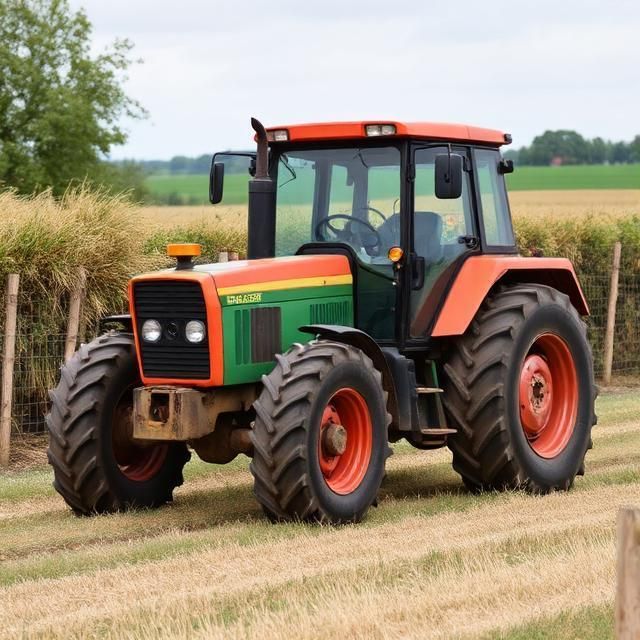
For the 2026 manager, navigating this market requires more than just reactive ordering; it requires digital foresight. Many estates are now utilizing radar-based tank telemetry to move away from "emergency" refills and toward a "just-in-time" model. By tracking consumption down to the litre, farms can wait for brief market corrections before triggering a bulk red diesel delivery, effectively shielding their margins from the "risk premium" currently baked into global energy prices.
Thermal Specialization: Decoupling Power from Heat
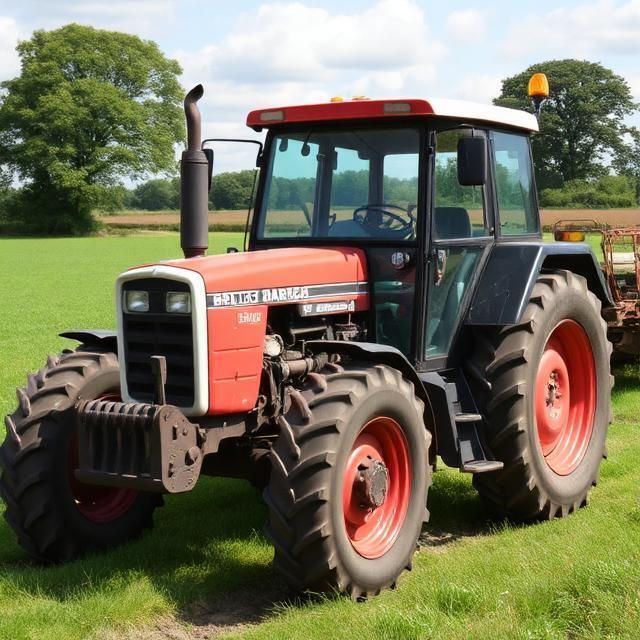
A key trend in the current UK farming fuel sector is the decoupling of machinery energy from static thermal energy. As farms expand their on-site processing, grain drying, and intensive livestock brooding, the move toward industrial heating oil (IHO) has become a primary cost-mitigation strategy.
Industrial heating oil is a specialist product engineered specifically for thermal efficiency in static boilers. By utilizing IHO for heating and preserving high-value red diesel for field traction, farms can optimize their operational spend. Unlike transport-grade fuels, modern industrial heating oil is formulated to be highly stable, resisting the oxidative degradation and microbial "diesel bug" issues that can occur in tanks during the dormant summer months. This specialization ensures that the farm's high-value heating infrastructure remains clean and efficient year-round.
The Transition Bridge: The HVO Revolution
The most transformative element in the 2026 energy mix is the mainstream adoption of HVO fuel (Hydrotreated Vegetable Oil). No longer considered a niche alternative, HVO has become the "Transition Bridge" for farms under pressure to meet strict ESG (Environmental, Social, and Governance) targets set by retailers and supply chain partners.
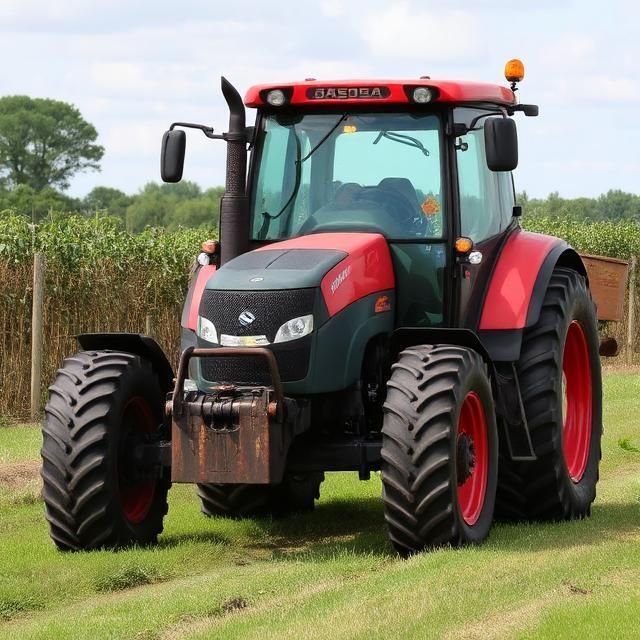
As a second-generation, paraffinic renewable diesel, HVO offers a "drop-in" solution that is chemically nearly identical to mineral diesel but reduces net CO₂ emissions by up to 90%. For the current farm, it solves the "legacy fleet" problem—allowing a producer to achieve net-zero milestones using their existing harvesters and tractors without any mechanical modifications. Furthermore, its extreme cold-weather resilience ensures that machinery remains operational during sudden spring cold snaps, providing a technical advantage over traditional fossil blends.
Rural Synergy: The Domestic Energy Lifeline
The influence of a versatile farm fuel supplier extends beyond the farm gate and into the heart of the community. For the millions of off-grid households in the UK, the local depot is the primary provider of domestic heating oil (kerosene).
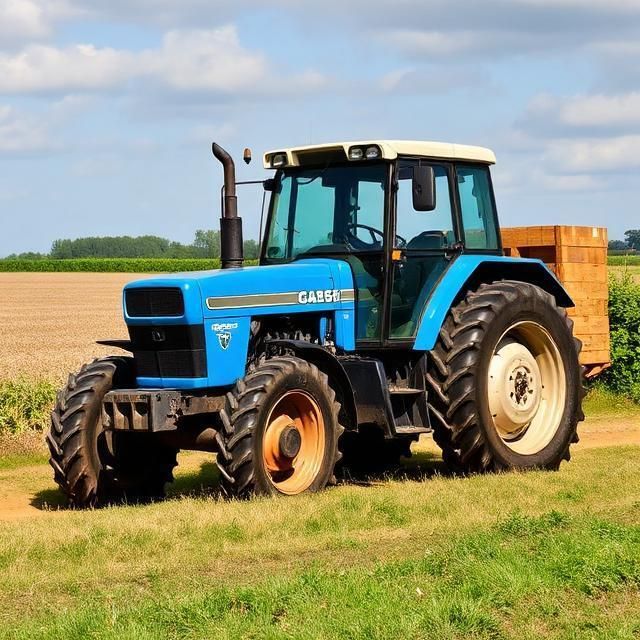
In the current climate, this synergy is vital. By coordinating agricultural and domestic heating oil deliveries on the same regional routes, suppliers are able to maintain a more robust and cost-effective energy lifeline for isolated rural communities. This integrated approach ensures that both the commercial yard and the residential farmhouse are protected against supply chain disruptions, reinforcing the social and economic resilience of the countryside.
Future-Proofing: The FETF 2026 Grant Opportunity
To support this evolution, the government has provided a final round of significant financial support through the Farming Equipment and Technology Fund (FETF) 2026. With £50 million currently available, the fund provides a vital lever for producers to invest in the technology required to optimize their fuel usage.
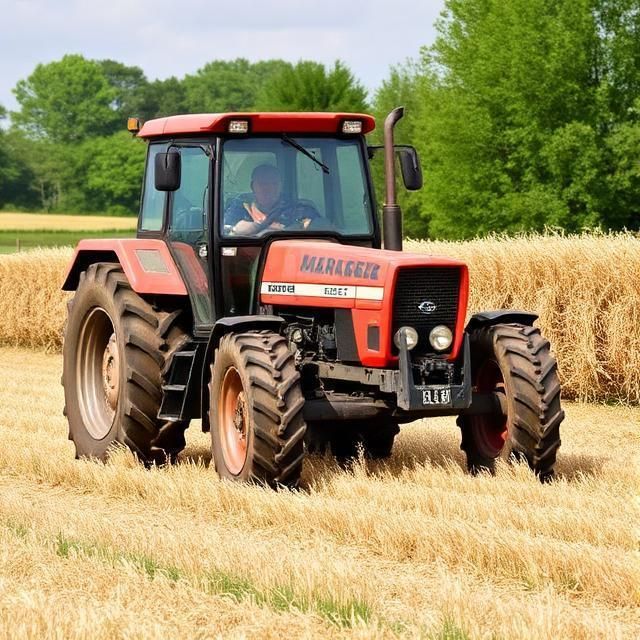
**Key eligible items for the 2026 window include:
**Precision Application Tools: High-spec sprayers and GPS systems that reduce the number of field passes, directly lowering the litres consumed per hectare.
Automated Yard Systems: Robotic silage pushers and slurry collectors that handle repetitive tasks using electric power, reserving diesel for high-torque field work.
Smart Storage Infrastructure: Double-skinned, bunded tanks with integrated telemetry to improve site security and prevent environmental contamination.
By leveraging these grants, UK farms are not just buying equipment; they are building an energy-resilient foundation that synchronizes the reliability of a red diesel delivery with the clean performance of HVO fuel.







Top comments (0)