
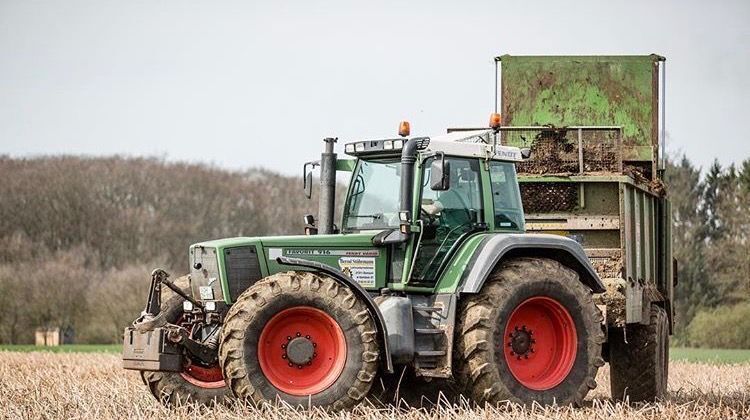

February 2026. Dawn breaks over frost-covered fields in East Anglia, the first combine fires up in the dark on a Lincolnshire prairie, a loader shifts frozen silage bales in the Welsh uplands. The machinery is the same, the work is the same, but the fuel inside the tanks is quietly different for thousands of UK farms. Agricultural oil suppliers – once measured purely by speed, price and reliability – are now the front line in one of the fastest energy shifts British agriculture has seen in decades. Hydrotreated Vegetable Oil has moved beyond pilot projects and trial tanks. HVO Fuel Suppliers UK are delivering record volumes because HVO – a 100% renewable diesel made from waste cooking oils, animal fats and certified residues – delivers up to 90% lower net lifecycle CO₂ emissions, outperforms conventional diesel in cold starts and heavy pulling, and requires literally nothing new from any existing tractor, harvester, sprayer, telehandler, generator or storage system.
The High-Stakes Logistics Agricultural Oil Suppliers Master Every Day
Farming runs on unforgiving clocks. A four-day harvest window can disappear under one Atlantic front; a sudden -12 °C night can turn a profitable lambing into a veterinary bill; a generator failure during a grid outage can spoil thousands of pounds of chilled produce. Agricultural diesel suppliers have built entire businesses around preventing those moments. Depots dot the map from Land's End to the Outer Hebrides, tankers are fitted for soft gateways and flooded lanes, 24–48-hour delivery is baseline with genuine same-day and weekend service during drilling and combining rushes, telemetry systems send automatic low-level alerts to both farmer and supplier, seasonal forecasting ties orders to Met Office long-range outlooks, bund-compliant tank sizing advice keeps farms legal, and invoicing flexes around subsidy dates and livestock mart payments. This proven rural supply chain now carries HVO with exactly the same urgency and precision – no farm left waiting, no operation paused.
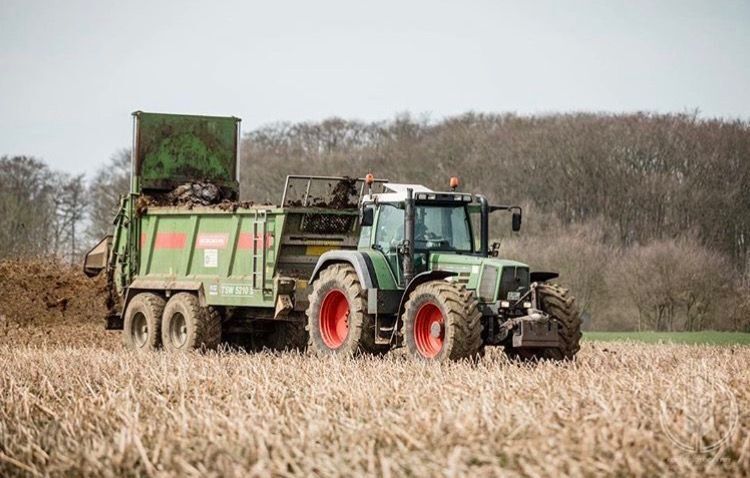
The Clean Chemistry That Makes HVO So Seamless
HVO begins with sustainable waste feedstocks: used cooking oils collected nationwide from restaurants and food manufacturers, rendered animal fats, and non-food residues screened to eliminate indirect land-use change. These materials enter hydrotreatment – high-pressure, high-temperature reaction with hydrogen and catalysts – which strips oxygen, saturates bonds, and removes impurities. The finished product is a clear, stable, high-cetane paraffinic diesel that meets EN 15940 and is functionally indistinguishable from fossil diesel. No engine remapping, no injector upgrades, no seal replacements, no warranty risks. Full approvals cover current and recent models from John Deere, CLAAS, New Holland, Fendt, Case IH, Massey Ferguson, Kubota, JCB and most other brands. HVO Fuel Suppliers UK supply only product certified under ISCC-EU, RFAS or RED II-equivalent schemes, providing end-to-end batch traceability and documentation that stands up to retailer audits, Scope 1 reporting and grant applications.

How HVO Handles the Brutal Realities of British Farming Weather
UK farms test fuel harder than almost any other sector: overnight lows plunging to -18 °C on exposed northern holdings, weeks of condensation-heavy drizzle that encourages microbial growth in tanks, long hours of low-load idling during precision spraying, heavy draft work through saturated clay and steep gradients. HVO is purpose-built for these conditions. Its cetane number – routinely 75–85 – ignites almost instantly from cold, eliminating white smoke, reducing engine clatter and delivering smoother, more responsive torque. Cold-flow performance keeps the fuel fully liquid and filterable down to temperatures well below -30 °C in most grades, completely removing the gelling and flow-blockage problems that have dogged FAME biodiesel for years. The ultra-clean combustion slashes particulates, NOx and soot formation, visibly lightening exhaust, slowing carbon buildup in DPFs, EGR coolers and injectors, and extending service intervals for fuel-system components. Farmers consistently report fewer emergency workshop visits, cleaner oil samples, quieter running and the unmistakable sense that the machinery “breathes easier” – gains that add up fast during 16-hour harvest days or winter feeding rounds.
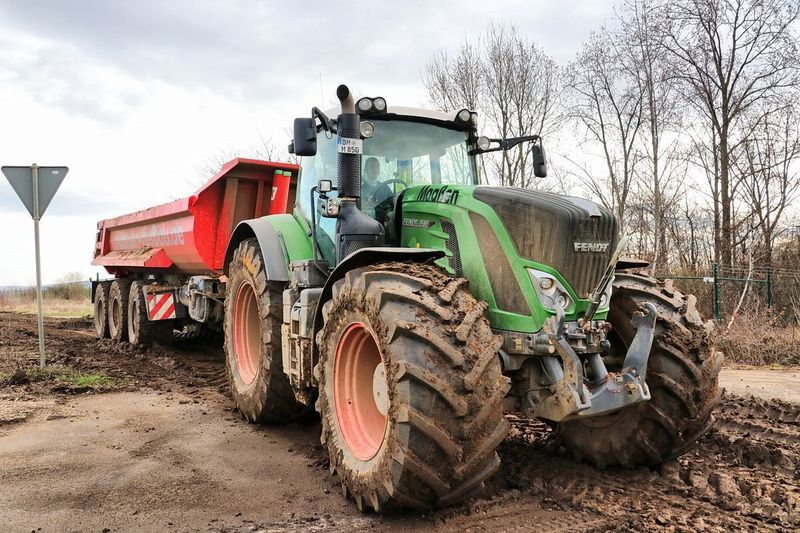
The Full Financial and Strategic Picture in Early 2026
HVO trades at a 15–25 pence per litre premium over gas oil depending on volume, contract length and regional supply. Yet the total-ownership math often turns positive within 12–24 months. Cleaner burn reduces spend on filters, injectors, pumps and after-treatment parts, frequently by 20–35%; the superior cetane and complete combustion can produce small but repeatable efficiency improvements under part-load conditions typical of UK fieldwork; longer component life defers major replacement costs. Far more important are the commercial levers: documented 85–90% net CO₂ reductions provide hard proof for Scope 1 reporting, strengthen eligibility under the Sustainable Farming Incentive and private carbon schemes, and directly unlock premium payments from supermarkets, processors and food manufacturers enforcing low-emission supply chains. HVO Fuel Suppliers UK make these benefits concrete with easy-to-use carbon calculators, detailed lifecycle emission reports, phased rollout plans (start with yard equipment and generators before full fleet conversion), fixed-price forward contracts to shield against oil-market volatility, and complete paperwork support for audits, grant claims and certification bodies including Red Tractor, LEAF Marque and Soil Association.
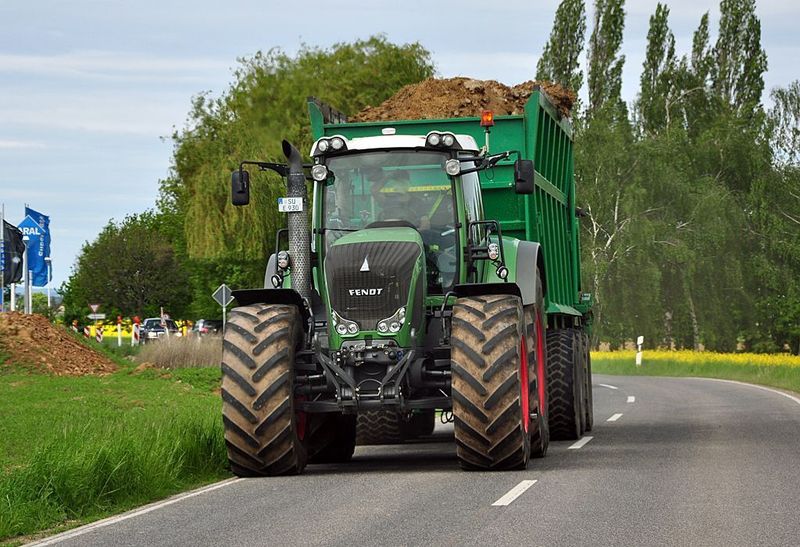
The HVO Fuel Suppliers UK Farmers Are Turning to Right Now
A strong, competitive network of HVO Fuel Suppliers UK serves agriculture with genuine rural expertise and nationwide reach. Crown Oil is widely respected for rigorous traceability and knowledgeable transition support; Speedy Fuels and Beesley Fuels for lightning-fast delivery during harvest and drilling crunches; Compass Fuels for personal, farmer-focused account management and competitive bulk rates; Certas Energy for its extensive depot network that covers even the most isolated locations; Moorland Fuels for practical, no-fuss advice rooted in decades of agricultural service; Watson Fuels, Rix Petroleum, Nationwide Fuels and BWOC for flexible volumes, free site compatibility checks and reliable out-of-hours supply. These suppliers typically provide complimentary tank assessments, carbon-reporting toolkits, 24–48-hour standard turnaround, and account managers who understand the difference between a weather-delayed harvest and a sudden cold snap threatening youngstock.

The Path Ahead: Cleaner Fuel, Tougher Farms, Better Margins
In February 2026, choosing HVO fuel is increasingly seen as straightforward commercial logic rather than environmental idealism. Farms secure immediate, substantial emissions reductions without capital outlay or productivity loss; machinery that runs cleaner and needs less frequent attention; stronger negotiating power in sustainability-driven markets; and alignment with the direction of national policy and global supply-chain expectations. As UK and European HVO refining capacity grows rapidly, feedstock diversity increases and price competitiveness improves quarter by quarter, the renewable diesel is shifting from forward-thinking choice to industry baseline. For the farmer who stands in the yard on a raw winter morning, hears the engine catch cleanly on the first turn, watches nearly invisible exhaust rise into the cold air, and knows the tank now holds fuel that safeguards both this year's harvest and the land's future health, the switch feels less like change and more like the obvious next move.





Top comments (0)