


As we move through the first quarter of 2026, the agricultural sector is witnessing a period of stabilization in energy costs. With global oil production reaching record levels and a slight cooling in demand from major industrial economies, the price of crude has become more manageable for the average farm business. However, managing fuel remains one of the largest variable costs for any agricultural enterprise. This is where the expertise of agricultural diesel suppliers becomes indispensable. These providers do not merely deliver a product; they provide the essential energy security required to maintain a seamless production cycle from the first planting to the final harvest.
The Specialized Service of Agricultural Diesel Suppliers
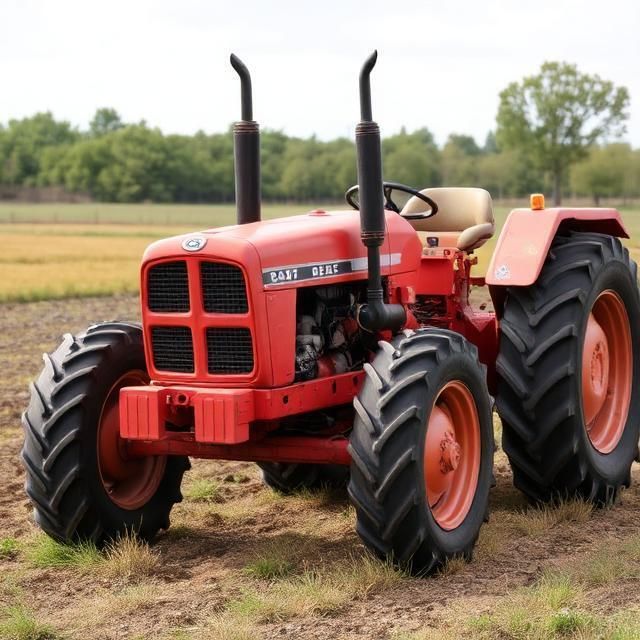
Agricultural diesel, commonly recognized by its red dye, is the specific fuel grade used for off-road machinery such as tractors, balers, and combine harvesters. Because this fuel is subject to lower tax rates than standard white diesel used on public roads, its distribution is strictly governed. Professional agricultural diesel suppliers must maintain rigorous records to ensure compliance with national tax authorities, shielding farmers from potential audits or fuel-misuse penalties. In 2026, the best suppliers distinguish themselves through technological integration. Many now offer smart-tank telemetry, which uses ultrasonic sensors to monitor fuel levels in real-time. This data is transmitted back to the supplier, who can then automatically dispatch a tanker before the farm’s stock reaches a critical "red line," ensuring that no machine sits idle during a narrow weather window.
Efficiency Through Domestic Oil Suppliers
The logistical needs of a farm rarely end at the barn door. For many rural residents, the farmhouse itself relies on independent energy storage. This is why a growing number of farmers prefer to work with companies that also operate as domestic oil suppliers. Most rural heating systems utilize kerosene, a lighter and cleaner-burning oil than the gas oil used in heavy machinery. By sourcing both products from a single provider, farm owners can significantly reduce their administrative overhead. Domestic oil suppliers often provide "dual-fuel" discounts, recognizing the total volume of oil consumed across the entire property. This synergy allows for more flexible payment terms and synchronized delivery schedules, ensuring that while the tractors are fueled for the field, the home remains warm and protected against the seasonal chill.
Navigating the 2026 Energy Transition
One of the most significant developments in the fuel industry this year is the accelerated adoption of Hydrotreated Vegetable Oil (HVO). As agricultural diesel suppliers look toward a greener future, HVO has emerged as a premier "drop-in" replacement for traditional fossil-derived diesel. It requires no engine modifications and can reduce net CO2 emissions by up to 90%. For many farms in 2026, switching to HVO is not just an environmental choice but a strategic one, as it often qualifies the business for specific "green farming" subsidies. Forward-thinking suppliers are helping their clients navigate this transition by offering blended fuels that balance cost-efficiency with carbon reduction goals, providing a bridge between traditional methods and future sustainability standards.
Securing a Reliable Energy Partnership
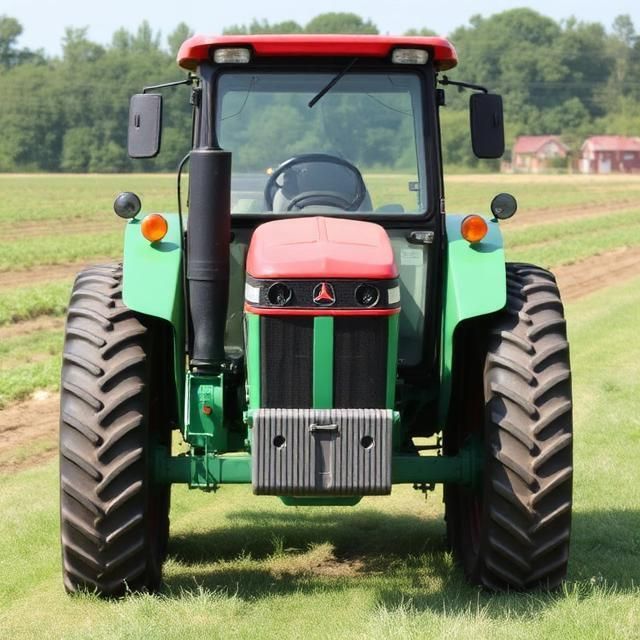
Choosing the right fuel partner in 2026 requires an assessment of both reliability and localized expertise. A local supplier with a deep understanding of the regional terrain and seasonal peaks is often more valuable than a distant national firm offering a slightly lower price. The most effective agricultural diesel suppliers are those who prioritize the "emergency fill," understanding that in agriculture, time is frequently more valuable than the fuel itself. Furthermore, by selecting a partner who also serves as one of the reputable domestic oil suppliers, you ensure a holistic approach to your property's energy needs. This partnership fosters long-term stability, allowing farmers to hedge against market volatility and focus on what they do best: producing the food and resources that sustain the nation.




Top comments (0)