

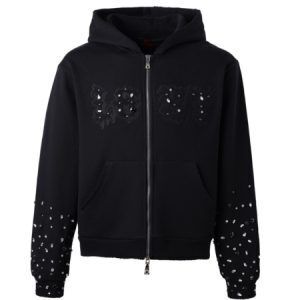
I learned from my own experience that careless laundry is a bad idea for the printed hoodies. When I got my first graphic hoodie, it came out of the washing machine with broken lettering on it. So from then on, I began reading labels and washing things slowly. A Lost Intricacy hoodie is typically quite busy with prints, patches or rhinestones. That's all very cool, but all of that is very weak too. They can be damaged in just a few washes by hot water or spinning too quickly. After a stone drops off it is hard to find a stone to match. The cuffs and hood too are not as effective when not taken care of properly. Worn and crumpled fabric can give a good design a worn look. When it's sold, condition determines the majority of the price. Resales zoom in on the print before they make any money. The routine itself is easy, and is a sincere effort that doesn't require much additional time. Here are the steps that I would take to print any printed hoodie.
Read the care label before you start
Begin with the small tag sewn in the inside of the side seam. Many people trim it off due to the [https://lostintricacyy.us/] itchiness of their neck. Don't do that, as it stores helpful washing information. It indicates the safest water temperature for that particular fabric. It also informs you if a washing machine is permitted or not. Care of two identical hoodies can be entirely different! A thick piece of fleece will feel different than a thin cotton piece. Check for symbols prohibiting bleach, ironing or tumble drying. These warnings are even more important with pieces that have stones or patches. If the tag is missing, photograph the print before taking it off. Next, hand wash is the most gentle option that remains – that's the magic it will have to perform. If there is a conflict between the label and internet recommendations, follow the label. The maker is well aware of the fabric than any random website. I thoroughly reference mine every time—even when hurried!
Pretreat the Hoodie to Make it Water Repellent
Empty all of the pockets before water comes into contact with the hoodie. Prints can scratch and damage from coins, keys and pens. If it has a front zipper, pull it up as far as it will go. An open zipper on other clothes ripples them up. Then take the entire hoodie and turn it inside out, keeping the graphics intact. This reduces the rubbing against the drum and other garments. Check for stains, and deal with them before the main wash. I wipe a bit of mild detergent on it on the spot with my fingers. Avoid excessive rubbing – this can lift or crack the print. Wait for 10 minutes or so, then rinse off the detergent gently. Only wash it with colours and soft light-weight fabrics. Avoid putting it in denims, towels and metal zippers. An added layer of protection is a mesh laundry bag. It is vastly inexpensive and saves a lot of hassle.
The best washing method for prints and rhinestones
Hands washing is actually the safest solution for any hoodie that is decorated. Fill a clean basin with cool water and some detergent. Use a mild liquid soap that doesn't contain bleach. Fold the hoodie under the water and "swish" it around slowly. Soak for 15 minutes, and gently squeeze out. Rinse with fresh cool water until the soap bubbles are removed. Do not wring or twist it as this will cause the fibers to be stretched badly. Use delicate cycle if using machine and cold water. Prints and stitching may be damaged by a high spin speed. Do not use fabric softener as it will leave a coating on printed surfaces.
Drying Your Hoodie Without Damaging the Graphics
The place the majority of hoodies get quietly destroyed at home is Drying. The fabric shrinks more than it should when heated by a dryer. It may also create cracks in prints and melt the glue on stones. So it's best just to let it dry out. Dry wet hoodie by rolling it in a towel. Next place it on a clean surface, away from heat, and spread it out. When a wet hoodie hangs down, it stretches the hood and drags the shoulders downwards. Store away from direct sunlight as dark colours tend to fade quickly. This is best cultivated in a shaded area with good air circulation. After a few hours, turn over to dry both sides. Be sure to dry it completely before folding it away.
The following are some smart storage habits to avoid stretching and fading
The location is the second most important factor, after washing, of the hoodie. Thick fleece items can be lengthened by hangers, particularly the shoulders. It's more often the case that it is better to neatly fold it in a drawer. Fold so that the graphic is in the inside to protect it from damage. Do not cover it with lots of heavy clothes for months. When printing on a raised surface like a stamp, pressure will produce creases and flatten the raised elements of the print. Store the clothes in a cool, dry and away from the strong sunlight. Mildew is a problem with moisture and mildew is difficult to remove. Cotton bags are suitable for long storage in the off season. Don't use plastic bags, as they will retain moisture against the fabric. Some silica packets are good in humid weather. Rotate hoodies so that one hoodie isn't worn out.
The most frequent errors and how to avoid them for long life.
The worst error is to wash the hoodie too frequently. Excessive washing (with excessive wear) damages the [(https://springbuilders.dev)]
![Image description]and graphics. One mistake is to use hot water to remove stains. The stain may set deeper if it is heated and may damage the print. Another foe is bleach, so make sure it's a long way from the hoodie. Many people also throw it in the dryer to speed up the drying process. This shortcut typically costs much more than a few hours in wait. Any sharp objects or backpack straps with rough surfaces can also cause scratches on the surface. Be careful when sitting on rough chairs and seat belts for extended periods. Don't sweep minor issues such as a patch that has lifted or loose threads under the rug. If they are damaged, fix them in time as it will grow with every wash.






Top comments (0)