

Natural fragrances have become an appealing part of modern self-care, offering a simple way to create a pleasant atmosphere at home. Floral essential oils are particularly popular among people who appreciate delicate botanical aromas, from the sweet scent of rose to the calming fragrance of lavender. Extracted from aromatic flowers, these oils can be incorporated into personal care routines, home fragrance practices, and relaxing evening rituals when used appropriately.
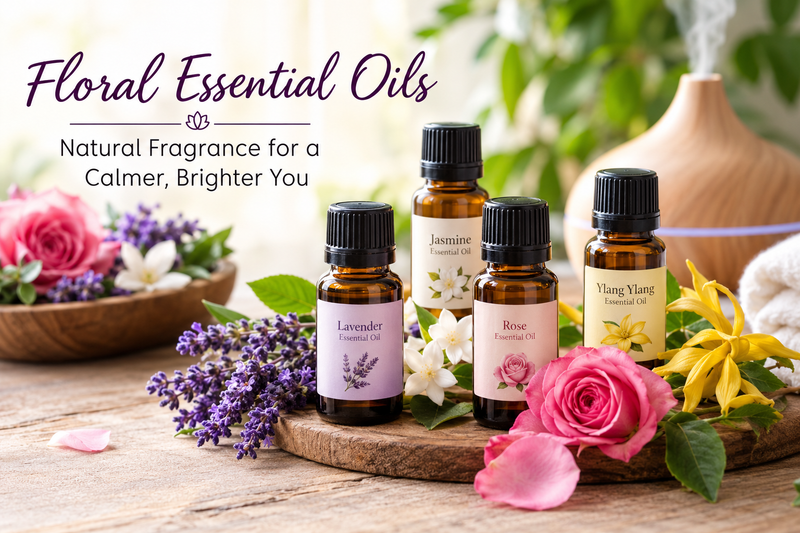
Beyond their appealing scents, floral aromas can help make everyday spaces feel more inviting. Choosing the right botanical fragrance depends on individual preferences, the intended use, and an understanding of proper handling and dilution.
Understanding the Appeal of Floral Aromas
Flowers have long been valued for their fragrance in perfumes, traditional beauty practices, and home fragrance products. Modern aromatherapy continues to draw inspiration from these natural scents, offering different aromatic experiences for various preferences and occasions.
Rose is often associated with a rich, elegant aroma, while jasmine has a sweet, distinctive fragrance. Lavender offers a softer herbal-floral scent, and ylang-ylang is known for its exotic, slightly sweet character. These differences allow people to select fragrances that complement their personal tastes and surroundings.
Unlike synthetic fragrances, essential oils are concentrated aromatic extracts obtained from plant materials. However, natural does not automatically mean harmless. Their composition and strength vary depending on the plant species, growing conditions, extraction method, and product quality.
Popular Flower-Based Oils and Their Uses
Several botanical extracts are commonly used in aromatherapy and personal fragrance routines. Understanding their individual characteristics can make it easier to choose an appropriate option.
1. Lavender for Evening Rituals
Lavender is widely appreciated for its fresh, herbaceous floral aroma. Many people use it in a diffuser during quiet evenings, meditation, or bedtime wind-down routines. Its familiar fragrance can contribute to a peaceful atmosphere, although individual responses to scents vary.
2. Rose for an Elegant Atmosphere
Rose oil has a rich, romantic fragrance that works well in carefully designed home fragrance blends. Its distinctive scent is also valued in perfumery and selected cosmetic formulations. Because genuine rose essential oil can be expensive, buyers should check the botanical identity and ingredient information before purchasing.
3. Jasmine for Rich Floral Notes
Jasmine is known for its sweet, intense fragrance. It is often used in perfumes and aromatic blends where a noticeable floral character is desired. Depending on the product, jasmine may be available as an essential oil, an absolute, or another aromatic preparation, so checking the label is important.
4. Ylang-Ylang for Exotic Fragrance
Ylang-ylang offers a sweet, tropical aroma that can add depth to selected fragrance combinations. It is sometimes blended with citrus, woody, or other floral notes to create a more balanced scent. Since it is concentrated, small quantities are generally preferable when preparing aromatic blends.
How to Choose Quality Floral Essential Oils
Selecting a suitable product involves more than choosing a fragrance. Quality, transparency, and intended use all deserve attention.
Check the botanical name. Common names can sometimes refer to different plants or preparations. A clearly labelled product should identify the botanical source and provide useful information about its ingredients.
Review the extraction method. Steam distillation is commonly used for several essential oils, while delicate flowers may require solvent extraction or other methods. These methods can produce different aromatic materials, so the product description should accurately explain what is being sold.
Look for transparent labelling. Reliable sellers should provide clear ingredient details, bottle size, usage instructions, and appropriate safety information. Information about batch testing or purity analysis can also help buyers assess product quality.
Choose suitable packaging. Concentrated aromatic extracts are often supplied in tightly sealed, dark glass bottles to help protect them from light and reduce exposure to air. Store them according to the manufacturer's instructions, away from heat and direct sunlight.
Avoid unsupported claims. Be cautious of products advertised as guaranteed cures for medical conditions or as completely risk-free because they are natural. Essential oils are concentrated substances, and their safe use depends on the specific product and application.
Incorporating Floral Fragrances Into Daily Routines
There are several practical ways to enjoy botanical aromas without making a routine complicated.
One option is to use a suitable essential oil diffuser according to its manufacturer's instructions. A gentle fragrance in a living room or personal relaxation space can make the environment feel more comfortable. Ensure adequate ventilation and consider the preferences and sensitivities of everyone sharing the space.
Another approach is to create a relaxing evening ritual. After completing daily tasks, a familiar floral scent can become part of a routine that includes reading, gentle stretching, or quiet reflection. The fragrance itself is not a substitute for healthy sleep habits, but it may help establish a consistent personal ritual.
Floral aromas can also inspire homemade fragrance blends, provided the ingredients are suitable for the intended application. Combining lavender with a complementary citrus aroma, for example, can create a different fragrance profile from using either ingredient alone. Start with a simple blend and follow product-specific safety guidance.
For skincare, never assume that an essential oil can be applied directly to the skin. Concentrated oils may cause irritation, allergic reactions, or sensitisation. Use only products formulated for the intended cosmetic application, follow the recommended dilution instructions, and conduct an appropriate patch test when advised. Avoid using essential oils near the eyes or on sensitive or damaged skin.
Exploring Different Aromatic Combinations
Experimenting with fragrance families can help people discover combinations that suit their preferences. Soft floral notes may pair well with fresh citrus scents, while richer floral aromas can complement woody or earthy fragrances.
For instance, lavender and a light citrus aroma can create a fresh, balanced fragrance, whereas rose combined with a subtle woody note may produce a warmer impression. These combinations are matters of personal taste rather than guaranteed therapeutic formulas.
When exploring natural flower extracts, it is useful to keep notes about the products used, the proportions recommended by the manufacturer, and the resulting fragrance. This approach makes it easier to reproduce a preferred blend and avoid adding excessive quantities.
People with asthma, fragrance sensitivities, or other relevant health concerns should take extra care with airborne scents. Diffusion can affect indoor air quality and may trigger symptoms in susceptible individuals. Stop using a fragrance if it causes discomfort, and seek professional advice when necessary. Keep concentrated oils away from children and pets, following appropriate household safety guidance.
Why Responsible Purchasing Matters
The quality of an aromatic product begins with informed purchasing. Buyers should compare ingredient transparency, botanical identification, packaging, storage recommendations, and the seller's willingness to provide meaningful product information.
Resources that explain online purchasing can make this process easier. For additional guidance, read How to Buy Organic Essential Oils Online: A Complete Guide. This related article can help readers understand what to consider when comparing organic essential oil products, evaluating product descriptions, and making more informed purchasing decisions.
Brands such as Miracle Botanicals Essential Oils can be explored as part of a broader search for botanical aromatic products. As with any supplier, buyers should review the details of individual products and choose options that suit their intended use.
Conclusion
Flower-derived fragrances offer a versatile way to personalise home environments and develop enjoyable self-care rituals. From lavender's gentle herbal notes to rose's rich floral character, different aromatic extracts provide a range of fragrance experiences.
Choosing appropriate products, reading labels carefully, and following safe-use recommendations are essential parts of the process. With informed purchasing and thoughtful application, floral fragrances can become a simple and enjoyable addition to everyday life.
Frequently Asked Questions
1. What are floral essential oils?
They are concentrated aromatic extracts obtained from flowers or flowering plant materials. They are used in perfumery, selected personal care products, and aromatherapy practices.
2. Which floral oil is popular for relaxation routines?
Lavender is a common choice because of its familiar floral-herbal aroma. Individual preferences differ, and fragrance should complement rather than replace established relaxation or sleep practices.
3. Can floral oils be applied directly to the skin?
Many concentrated oils should not be applied undiluted. Use only products suitable for topical application, follow the manufacturer's dilution guidance, and discontinue use if irritation occurs.
4. How should floral oils be stored?
Keep them tightly sealed in their original containers and store them away from direct sunlight, excessive heat, and children. Follow the specific storage instructions supplied with each product.
5. How can buyers identify a quality floral oil?
Check the botanical name, ingredient list, product description, packaging, and safety instructions. Transparent sourcing and relevant testing information can also help buyers make informed decisions.






)
Top comments (0)