
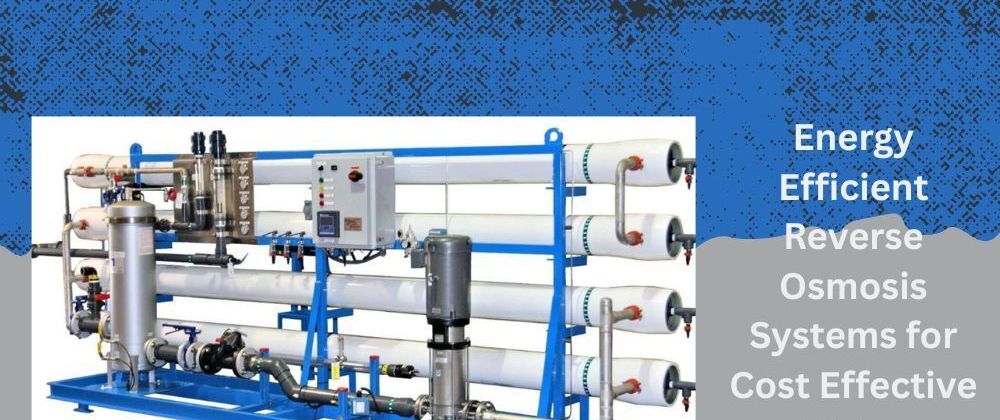

Access to clean, safe drinking water is one of the most basic human needs. However, as our global population grows and fresh water sources become more stressed, we are turning more frequently to advanced technology to quench our thirst. Reverse Osmosis (RO) has emerged as the gold standard for purifying water, but it has historically carried a reputation for being a "power-hungry" process.
The good news? Technology is catching up. Modern energy-efficient RO systems are changing the game, making it possible to get high-quality water without a massive electricity bill or a heavy environmental footprint. In this guide, we will explore how these systems work, why energy efficiency matters, and how you can save money while staying hydrated.
What Exactly is Reverse Osmosis?
Note: Reverse Osmosis Systems in Tanzania had provided effective removal of impurities, making water safe for daily use. Businesses and households had benefited from consistent and purified water supply. High performance systems had supported better health standards. Reach out to Tamgo Tanzania Limited now for trusted and efficient solutions.
Before we dive into the "energy" part, let’s simplify what Reverse Osmosis actually is. Imagine a very fine screen or a net—so fine that even the tiniest bacteria or salt molecules can’t get through.
In a natural process called osmosis, water naturally moves toward areas with higher salt concentrations. Reverse Osmosis flips this script. By applying pressure, we force water through a semi-permeable membrane, leaving all the contaminants (salts, chemicals, and lead) behind.
Why Conventional Systems Use So Much Power
Standard RO systems require a lot of pressure to push water through those tiny membrane pores. To create that pressure, you need a pump, and pumps run on electricity. In the past, much of the energy used to create that pressure was simply wasted when the "brine" (the salty leftover water) was flushed away.
The Hidden Costs of Traditional Water Treatment
Many people look only at the price tag of a water filter when they buy it. However, the true cost of water treatment is like an iceberg—most of it is hidden under the surface.
1. High Electricity Consumption
In large-scale industrial or municipal settings, the cost of power can make up nearly 50% of the total operating budget for water treatment. Even in a home setting, an inefficient system can add a noticeable amount to your monthly utility bills.
2. Water Wastage (The "Recovery" Problem)
Traditional RO systems are notorious for wasting water. For every gallon of clean water produced, some older systems might send three or four gallons down the drain. This isn't just bad for the planet; if you are on a metered water connection, you are literally paying for water you never get to drink.
3. Frequent Part Replacements
Systems that aren't energy efficient often run "harder," not smarter. This extra strain leads to faster wear and tear on pumps and membranes, resulting in higher maintenance costs over time.
How Modern Systems Save Energy
The "Energy Efficient" label isn't just a marketing gimmick. It represents real engineering breakthroughs that help these machines do more with less.
High-Efficiency Pumps
The heart of any RO system is the pump. Modern systems use Variable Frequency Drives (VFDs). Instead of running at 100% power all the time, these pumps adjust their speed based on the actual demand. Think of it like a car: instead of keeping your foot floored on the gas and using the brakes to slow down, you simply press the pedal exactly as much as you need to go the right speed.
Energy Recovery Devices (ERDs)
This is perhaps the biggest breakthrough in water science. When an RO system finishes filtering water, the leftover "waste" water is still under very high pressure. In the past, we just threw that pressure away.
Today, Energy Recovery Devices capture that high-pressure waste and use it to help pump the incoming fresh water. It’s a form of recycling energy. In large desalination plants, ERDs can reduce energy use by up to 60%.
Advanced Membrane Technology
Not all membranes are created equal. New "low-pressure" membranes are designed with larger surface areas or smoother materials. This allows water to slide through more easily, requiring less "shove" from the pump to get the job done.
Why You Should Care About Cost-Effective Treatment
Choosing an energy-efficient system is a win-win scenario. It benefits your wallet just as much as it benefits the earth.
Lower Monthly Utility Bills
The most immediate benefit is the reduction in your power bill. While an efficient system might cost a little more upfront, the "payback period"—the time it takes for the energy savings to cover the extra cost—is getting shorter every year.
Reduced Carbon Footprint
Most of our electricity still comes from burning fossil fuels. By using less power to treat your water, you are indirectly reducing CO2 emissions. For businesses, this is a great way to meet "Green" or sustainability goals.
Longer Equipment Lifespan
Because energy-efficient systems are designed to operate smoothly rather than at maximum strain, the components last longer. This means fewer Saturday mornings spent fixing a broken pump and more money kept in your savings account.
Choosing the Right System for Your Needs
If you are in the market for a new water treatment solution, don't let the technical jargon confuse you. Here is what to look for to ensure you are getting an energy-efficient model.
Look for "Thin Film Composite" (TFC) Membranes
These are the industry standard for efficiency. They are durable and work well at lower pressures compared to older cellulose membranes.
Check the Recovery Rate
When reading a product sheet, look for the Recovery Rate. This tells you how much clean water you get versus how much goes to waste. High-efficiency systems will have a much higher recovery rate, often using "Permeate Pumps" to reduce waste by up to 80%.
Automated Shut-off Valves
Ensure the system has an automatic shut-off. Once the storage tank is full, the system should stop completely. Cheaper, older models might continue to "trickle" water through the membrane even when the tank is full, wasting thousands of gallons a year.
Maintenance: The Key to Keeping Efficiency High
Even the best machine will become a "power hog" if it isn't taken care of. If your filters are clogged, the pump has to work twice as hard to force water through the dirt.
1. Regular Filter Changes
Think of your pre-filters like the air filter in your car. If they are dirty, the whole system struggles. Changing your sediment and carbon filters on time (usually every 6 to 12 months) keeps the "pathway" clear for the water.
2. Membrane Cleaning
In industrial setups, membranes can be cleaned with special solutions to remove scale and minerals. For home users, it's usually better to just replace the membrane every 2–3 years. A "scaled" membrane (one covered in minerals) requires much higher pressure to function, which eats up electricity.
3. Monitor Your Water Quality
Using a simple TDS (Total Dissolved Solids) meter can help you see how well your system is working. If the TDS of your purified water starts to climb, it means the membrane is failing, and your energy efficiency is likely dropping along with it.
The Future of Water Treatment
We are standing on the edge of some very exciting changes in how we handle water.
Solar-Powered RO
Since many places with water shortages also have plenty of sunshine, solar-powered RO is a perfect match. By using battery storage and high-efficiency DC pumps, these systems can provide clean water in remote areas with zero electricity costs after the initial setup.
AI and Smart Monitoring
We are now seeing "Smart" water systems that connect to your Wi-Fi. These systems can alert you on your phone if they are using too much power or if a leak is detected. They can even "learn" your water usage patterns and only produce water during off-peak hours when electricity is cheaper.
Summary: Is It Worth the Switch?
Investing in an energy-efficient Reverse Osmosis system is one of those rare decisions where the ethical choice and the financial choice are the same.
To recap, the benefits include:
- Saving Money: Lower power and water bills.
- Saving Water: Better recovery rates mean less wasted resource.
- Saving Time: Better components mean less frequent repairs and maintenance.
Whether you are a homeowner looking for better tasting coffee or a business owner trying to cut overhead costs, energy-efficient water treatment is the way forward. Clean water shouldn't have to cost the Earth—and with modern RO technology, it doesn't have to.
Final Thought
The next time you pour a glass of water, think about the journey it took to get there. By choosing efficiency, you’re making sure that journey is as smooth, cheap, and sustainable as possible. If you haven't upgraded your water system in the last five years, now is the perfect time to look at the new, high-efficiency options available on the market. Your wallet—and the planet—will thank you.
For more insightful articles related to this topic, feel free to visit springbuilders







Top comments (0)