
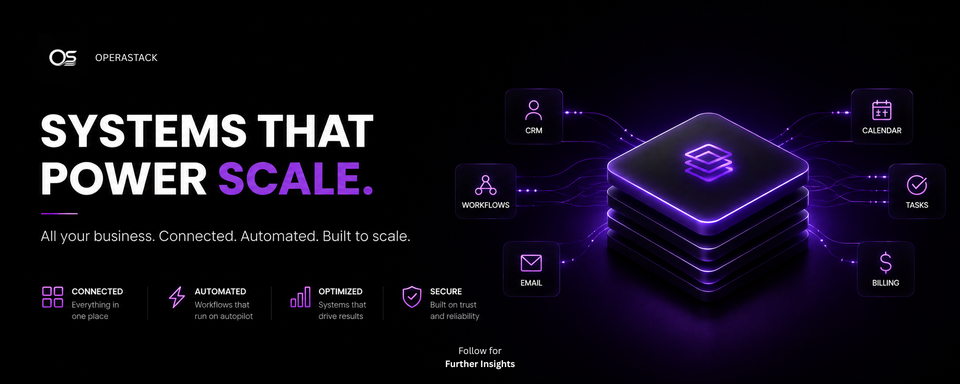

In today’s fast-paced digital landscape, managing customer relationships manually is no longer sustainable. Businesses are constantly searching for smarter ways to handle leads, nurture prospects, and improve customer engagement. This is where CRM workflow automation comes into play. But the real question is—is it just another tech buzzword, or a true growth driver?
What is CRM Workflow Automation?
CRM workflow automation refers to the use of technology to automate repetitive tasks within a Customer Relationship Management system. These tasks can include sending follow-up emails, assigning leads to sales reps, updating customer data, and triggering reminders.
Instead of relying on manual processes, businesses can create predefined workflows that execute automatically based on specific triggers or conditions. This not only saves time but also ensures consistency in customer interactions.
How CRM Workflow Automation Works
CRM automation operates on a simple logic: trigger → condition → action.
- Trigger: A specific event (e.g., a new lead signs up)
- Condition: Criteria that must be met (e.g., lead location or interest)
- Action: Automated response (e.g., send a welcome email or assign a sales rep)
For example, when a potential customer fills out a form on your website, the CRM system can automatically send a personalized email, assign the lead to a sales team member, and schedule a follow-up task—all without manual input.
Key Benefits of CRM Workflow Automation
1. Improved Efficiency
Automation eliminates repetitive tasks, allowing your team to focus on high-value activities like closing deals and building relationships.
2. Better Lead Management
With automated lead scoring and assignment, no opportunity slips through the cracks. Every lead is nurtured effectively.
3. Enhanced Customer Experience
Timely and personalized communication improves customer satisfaction and builds trust.
4. Reduced Human Error
Manual data entry and task management often lead to mistakes. Automation ensures accuracy and consistency.
5. Scalable Operations
As your business grows, CRM workflow automation allows you to handle increased workload without adding more resources.
Use Cases of CRM Workflow Automation
- Email Marketing Automation: Send targeted campaigns based on customer behavior
- Sales Pipeline Management: Automatically move deals through different stages
- Customer Onboarding: Trigger welcome sequences and setup instructions
- Task Reminders: Notify team members about follow-ups and deadlines
- Lead Qualification: Automatically score and segment leads
Challenges to Consider
While CRM workflow automation offers numerous benefits, it’s not without challenges. Poorly designed workflows can lead to irrelevant communication or missed opportunities. Additionally, over-automation may make interactions feel impersonal.
The key is to strike a balance—combine automation with a human touch to maintain authenticity.
Is CRM Workflow Automation Worth It?
If your business struggles with managing leads, maintaining consistent communication, or scaling operations, then CRM workflow automation could be the solution you need. It empowers businesses to streamline processes, improve productivity, and deliver better customer experiences.
However, success depends on choosing the right CRM platform and designing workflows that align with your business goals.
Conclusion
So, is CRM workflow automation the missing piece in your growth strategy? For many businesses, the answer is yes. By automating routine tasks and optimizing workflows, companies can focus on what truly matters—building meaningful customer relationships and driving long-term success.
Investing in CRM workflow automation today could be the step that transforms your business tomorrow.
FAQs on CRM Workflow Automation
1. What is CRM workflow automation?
CRM workflow automation is the process of using software to automate repetitive tasks within a CRM system, such as sending emails, assigning leads, updating records, and scheduling follow-ups.
2. How does CRM workflow automation benefit small businesses?
CRM workflow automation helps small businesses save time, reduce manual errors, improve lead management, and deliver consistent customer communication, allowing them to scale efficiently.
3. Can CRM workflow automation improve lead conversion rates?
Yes, by automating timely follow-ups, lead nurturing campaigns, and personalized communication, CRM workflow automation significantly increases the chances of converting leads into customers.
4. What tasks can be automated using CRM workflow automation?
Common tasks include email marketing, lead assignment, data entry, customer onboarding, sales pipeline updates, and task reminders.







Top comments (0)