
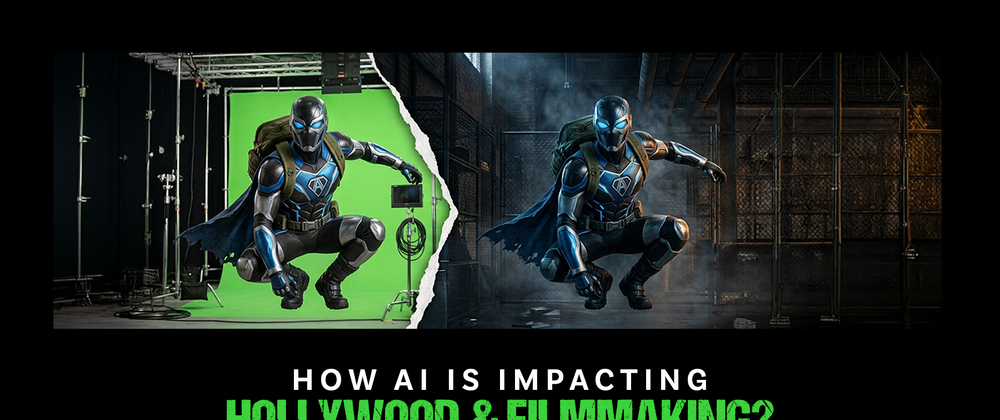

AI is rapidly becoming part of Hollywood’s filmmaking toolkit, influencing everything from pre-production and visual effects to localization, marketing, and digital performances. Studios and filmmakers are using AI to analyze scripts, create storyboards, generate crowds, clean footage, modify faces, produce subtitles and dubbing, and test promotional content. While these tools can reduce repetitive work and make complex productions more accessible, they are also raising questions about creativity, ownership, and the future of filmmaking jobs.
Hollywood’s relationship with AI is not entirely new. One major milestone came in 2001 when Weta used Massive software for The Lord of the Rings: The Fellowship of the Ring, creating digital crowd agents capable of reacting to their surroundings and making limited behavioral decisions. Years later, AI-generated filmmaking took another step with Sunspring, a 2016 short film based on a screenplay produced by a recurrent neural network. These developments show how AI has gradually moved from behind-the-scenes technology toward a more visible role in creative production.
The debate has intensified with Tilly Norwood, a synthetic performer created by Xicoia and promoted as AI talent. In 2026, Particle6 announced that Norwood would lead Misaligned, pushing AI-generated performers further into the spotlight. The development has sparked concerns around consent, compensation, training data, digital likenesses, and employment. Industry unions, including SAG-AFTRA and the Writers Guild of America, have pushed for protections around human performers and creators. For a broader look at these changes, see Hollywood And Filmmaking.
AI could ultimately help filmmakers work faster, reduce production costs, improve accessibility, and make ambitious visual concepts possible for smaller teams. However, current systems still struggle with character consistency, emotional nuance, physical realism, creative direction, and long-form continuity. The future of Hollywood is therefore unlikely to be entirely human or entirely AI-driven. Instead, AI will probably become another production tool, with human creativity, consent, authorship, and accountability remaining central to the films audiences watch.







Top comments (0)