

Introduction
Movement is a complex interaction between the feet, ankles, knees, hips, and the rest of the body. When someone experiences recurring discomfort, changes in walking, reduced exercise performance, or concerns about movement efficiency, understanding biomechanics can provide useful insight. Biomechanics Liverpool Street focuses on examining how the body moves and manages forces during everyday activities. At PODO London, biomechanical assessment can be personalised according to an individual's lifestyle, footwear, activity levels, movement patterns, and functional goals, creating a more meaningful understanding of how the lower limbs operate.
What Does Biomechanics Mean?
Biomechanics is the study of how the body moves and responds to forces. In relation to the feet and lower limbs, it can involve examining posture, joint movement, gait, balance, loading, and the way different body segments work together. Biomechanics Liverpool Street can be particularly relevant to people who want a clearer understanding of their movement. At PODO London, biomechanical findings are considered within the context of the individual rather than interpreted in isolation. This allows assessment to focus on meaningful movement characteristics and practical functional requirements.
Why Lower Limb Biomechanics Matter
The feet provide the foundation for many everyday movements. Every walking or running step requires the feet to interact with the ground while forces travel through the lower limbs. Biomechanics Liverpool Street can help explore these relationships when they are relevant to an individual's concerns. At PODO London, clinicians can consider foot movement alongside the ankles, knees, hips, gait, footwear, and activity. Looking at the lower limb as a connected system can provide a broader perspective than examining one area without considering how it contributes to overall movement.
Understanding Individual Movement Patterns
There is no single movement pattern that applies to everyone. People naturally differ in foot shape, flexibility, joint mobility, strength, posture, stride, and walking style. Biomechanics Liverpool Street should therefore recognise normal individual variation rather than assuming every difference needs correction. At PODO London, assessment considers whether a particular movement characteristic has practical significance for the individual. This personalised approach helps distinguish natural variation from findings that may be relevant to comfort, mobility, exercise, footwear requirements, or other functional goals.
Biomechanics and Walking
Walking involves repeated cycles of foot contact, weight transfer, balance, and forward movement. Although walking appears simple, it requires coordination across several joints and muscles. Biomechanics Liverpool Street can provide insight into these movement patterns when an individual has concerns about walking or lower limb function. At PODO London, walking can be assessed alongside foot structure, footwear, lifestyle, and individual goals. This can help create a more complete picture of how someone moves during normal daily activities and whether particular characteristics deserve further attention.
Biomechanics and Running
Running places different demands on the lower limbs compared with everyday walking. Speed, stride, training volume, terrain, footwear, and running technique can all influence movement. Biomechanics Liverpool Street may therefore be valuable for runners who want to understand their mechanics or who have recurring movement-related concerns. At PODO London, running assessment can consider gait, foot function, footwear, training habits, and individual objectives. The aim is not to force every runner into an identical technique but to understand the individual's movement in the context of their activity.
The Role of Footwear in Biomechanics
Footwear can influence how the feet interact with the ground and how comfortable movement feels. Work shoes, formal footwear, trainers, running shoes, and walking shoes all have different designs. Biomechanics Liverpool Street can take footwear into consideration when it is relevant to an individual's movement. At PODO London, clinicians can discuss the shoes worn during work, commuting, exercise, and everyday activities. This helps ensure that biomechanical findings are interpreted realistically and that any recommendations are practical for the footwear the person actually uses.
Biomechanics for Busy London Commuters
Liverpool Street is surrounded by busy transport routes, offices, shops, and pedestrian areas. Many commuters walk significant distances between stations, workplaces, meetings, and other destinations. Biomechanics Liverpool Street can be relevant to people whose daily routines involve extensive walking or standing. At PODO London, commuting habits can be considered alongside footwear, gait, foot function, and activity levels. This helps connect biomechanical assessment with real-life demands and allows recommendations to reflect how the individual actually moves throughout a typical London working day.
Assessing Foot and Ankle Movement
The foot and ankle work together during standing, walking, and running. Their movement contributes to balance, propulsion, and interaction with the ground. Biomechanics Liverpool Street can examine relevant aspects of this relationship when appropriate. At PODO London, clinicians may consider foot structure, ankle movement, gait, loading, footwear, and wider lower limb mechanics. Understanding these relationships can help determine whether a particular characteristic has functional significance and whether personalised guidance or support could be considered.
Looking at the Knee and Hip
Lower limb movement does not stop at the feet. The knees and hips contribute significantly to walking, running, balance, and overall coordination. Biomechanics Liverpool Street can therefore involve considering how movement occurs throughout the lower limb rather than focusing exclusively on the feet. At PODO London, clinicians can interpret foot and gait findings in relation to wider lower limb movement when relevant. This broader approach helps create a more complete picture of the individual's mechanics and avoids viewing movement problems as isolated to one body region.
Understanding Movement and Loading
Every step places changing loads through the feet and lower limbs. These loads can vary depending on walking speed, running, footwear, surface, body position, and activity. Biomechanics Liverpool Street can help examine loading characteristics where they are relevant to an individual's assessment. At PODO London, loading information can be interpreted alongside gait and foot function rather than being treated as a standalone diagnosis. This helps determine whether a particular loading pattern has meaningful relevance to the individual's movement or functional concerns.
Biomechanical Assessment for Active People
People who exercise regularly can place substantial and repetitive demands on their lower limbs. Running, gym workouts, sports, hiking, and fitness activities all require different forms of movement. Biomechanics Liverpool Street can be useful when an active person wants to understand movement patterns in relation to their chosen activity. At PODO London, clinicians can consider training routines, footwear, gait, foot function, and personal objectives. This provides a more activity-specific assessment and avoids applying generic biomechanical assumptions to people participating in very different forms of exercise.
When Biomechanical Assessment May Be Useful
People may seek biomechanical assessment for different reasons. Some may have recurring concerns, while others may notice changes in walking or running or want professional insight into their movement. Biomechanics Liverpool Street can provide structured information when these concerns are relevant. At PODO London, assessment is personalised and can consider lifestyle, activity, footwear, gait, foot structure, and functional goals. A biomechanical assessment does not automatically lead to treatment. Instead, its purpose is to understand relevant movement characteristics and determine what, if anything, may be appropriate next.
Biomechanics and Custom Orthotics
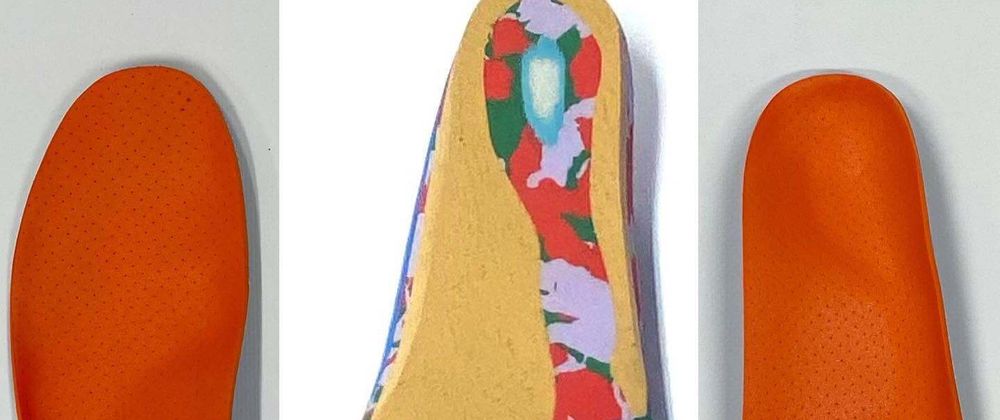
Custom orthotics can sometimes form part of a biomechanical management approach when assessment identifies a specific requirement for personalised foot support. Biomechanics Liverpool Street may therefore be relevant to individuals considering orthotic support. At PODO London, orthotic decisions can take into account foot function, gait, loading, footwear, activity, and individual goals. Importantly, not every biomechanical variation requires an orthotic. Personalised support should have a clear purpose and should be recommended only when the wider assessment indicates that it may be appropriate.
The Importance of Personalised Assessment
Generic advice cannot always account for differences between individuals. Two people may have similar movement characteristics but completely different activities, footwear, strength, and functional requirements. Biomechanics Liverpool Street is most useful when interpreted within the context of the person being assessed. At PODO London, clinicians can consider individual circumstances alongside biomechanical observations. This allows recommendations to remain relevant and avoids treating a single movement pattern as a universal problem. Personalisation is particularly important when decisions about footwear, activity, or orthotic support are being considered.
Biomechanics for Workplace Demands
Some professions require prolonged standing, frequent walking, or specific footwear. Healthcare, retail, hospitality, education, events, and office-based jobs with extensive commuting can all place different demands on the lower limbs. Biomechanics Liverpool Street can be considered in relation to these occupational requirements. At PODO London, work routines and footwear can form part of the assessment when relevant. This helps connect biomechanical findings with practical workplace situations and can support recommendations that are realistic for the individual's professional environment.
Biomechanics and Everyday Comfort
Movement efficiency is not only relevant to athletes. Everyday walking, standing, commuting, shopping, and household activities all rely on coordinated lower limb function. Biomechanics Liverpool Street can help people understand aspects of their movement that may be relevant to everyday comfort and mobility. At PODO London, clinicians can consider lifestyle and functional goals alongside biomechanical findings. This creates an assessment that is focused on the person's actual needs rather than assuming that biomechanical care is only relevant to sports or high-performance activities.
The Difference Between Assessment and Treatment
A biomechanical assessment provides information about movement. Treatment or management decisions come afterward and depend on what the assessment identifies. Biomechanics Liverpool Street does not automatically mean that someone requires orthotics, exercises, footwear changes, or another intervention. At PODO London, recommendations are based on the individual's findings and objectives. Depending on the circumstances, appropriate guidance may involve footwear considerations, activity management, personalised support, further evaluation, or simply a clearer understanding of the person's movement.
Professional Biomechanical Assessment in London
London's busy environment can create varied demands on the feet and lower limbs. Long commutes, workplace standing, extensive walking, running, exercise, and different footwear can all influence everyday movement. PODO London provides professional assessment for people seeking a clearer understanding of their foot and lower limb mechanics. The clinic is located at 28 Mortimer Street, 2nd Floor, W1W 7RD, London, United Kingdom. For individuals searching for Biomechanics Liverpool Street, a professional assessment can help connect movement findings with practical lifestyle and activity requirements.
Why Choose PODO London?
PODO London takes an individualised approach to biomechanical assessment. For people searching for Biomechanics Liverpool Street, clinicians can consider gait, foot function, lower limb movement, footwear, loading, activity, and personal goals. The emphasis is on understanding the whole movement picture rather than identifying one characteristic and automatically labelling it as a problem. This assessment-led approach can be useful for commuters, runners, recreational athletes, professionals who stand at work, and anyone who wants a better understanding of their movement and foot function.
Turning Biomechanical Findings into Practical Guidance
The value of biomechanical assessment comes from connecting findings with everyday activities. A movement characteristic may be important for one person but have little practical significance for another. Biomechanics Liverpool Street should therefore be interpreted in relation to the individual's lifestyle, footwear, occupation, and goals. At PODO London, clinicians can use assessment findings to inform appropriate recommendations. Depending on the circumstances, this could involve footwear guidance, activity considerations, custom orthotic support, further evaluation, or reassurance that no specific intervention is required.
Conclusion:
Biomechanics Liverpool Street provides an opportunity to explore how the feet and lower limbs work together during walking, running, standing, and other activities. A professional assessment can consider foot structure, gait, loading, footwear, lower limb movement, occupation, exercise, and lifestyle to create a more complete picture of individual mechanics. At PODO London, the focus is on personalised interpretation rather than assuming that every variation requires correction. Whether you are a commuter, runner, active adult, or professional who spends long hours on your feet, understanding your biomechanics can provide useful insight into your movement and support informed decisions about foot care.
FAQs
What is biomechanics?
Biomechanics Liverpool Street involves examining how the body moves and manages forces during activities such as walking, running, and standing. At PODO London, biomechanical assessment can consider the feet, ankles, knees, hips, gait, footwear, and activity to develop a clearer understanding of individual movement.
Who can benefit from biomechanical assessment?
Biomechanical assessment can be useful for runners, active adults, commuters, professionals who stand for long periods, and people who want to understand changes in their movement. PODO London tailors assessment according to individual concerns, activities, footwear, lifestyle, and functional goals.
Does biomechanical assessment mean I need orthotics?
No. Biomechanical assessment does not automatically mean that custom orthotics are necessary. At PODO London, orthotic support is considered only when assessment identifies a clear functional requirement. Other recommendations may include footwear guidance, activity advice, further assessment, or no intervention.
Can biomechanics be assessed for running?
Yes. Running involves different mechanical demands from walking, so assessment can consider running gait, training volume, footwear, terrain, and individual goals. PODO London can use Biomechanics Liverpool Street assessment to explore relevant movement characteristics for runners and active individuals.
Can footwear affect biomechanics?
Footwear can influence how the feet interact with the ground and may affect movement and comfort. During Biomechanics Liverpool Street assessment, PODO London can consider work shoes, everyday footwear, trainers, and running shoes alongside gait, activity, and individual requirements.
Why choose PODO London?
PODO London uses an assessment-led approach that considers foot function, gait, biomechanics, footwear, loading, activity, lifestyle, and personal goals. For people seeking Biomechanics Liverpool Street, the emphasis is on understanding meaningful movement characteristics and providing practical recommendations relevant to everyday life.






Top comments (0)