
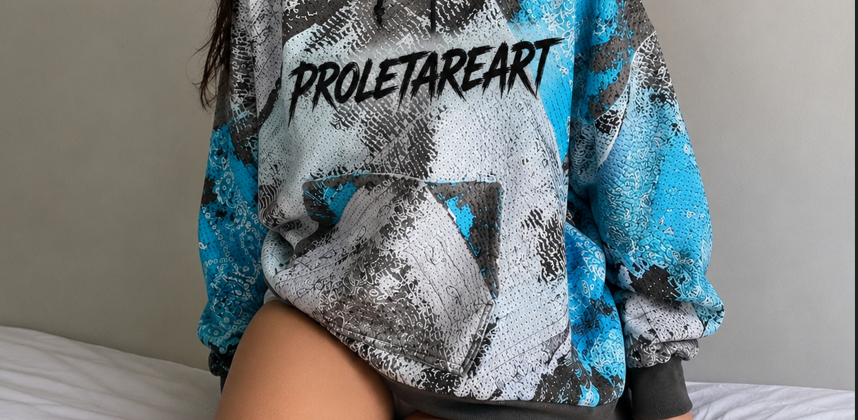

Art has always given people a way to question familiar ideas, express emotions, and see ordinary subjects from a new angle. Some creative styles stay close to accepted rules, while others ask viewers to rethink what art can be. PROLETA RE ART can be discussed through this wider idea of creative freedom, where visual work does not need to follow a single formula to feel meaningful.
For many people in the United States, interest in contemporary art comes from the desire to find work that feels personal rather than predictable. Art can appear in paintings, clothing, photography, digital designs, sculpture, mixed media, and everyday objects. When these forms meet, artists gain more room to communicate ideas.
Looking beyond conventional creative boundaries does not mean ignoring artistic traditions. It means taking familiar ideas and giving them a different direction. This approach can make art feel closer to modern life while leaving room for personal interpretation.
What Makes Proleta Re Art Interesting?
The appeal of PROLETA RE ART can be understood through its connection to creative freedom. Rather than treating art as a fixed category, this type of thinking allows artists to question common expectations about appearance, subject matter, materials, and presentation.
A work does not always need to explain itself immediately. Some pieces may use unusual shapes, unexpected combinations, rough textures, bold compositions, or symbolic details. The viewer then becomes part of the experience by deciding what those elements mean.
Art Without a Fixed Formula
Traditional art education often introduces rules about proportion, color, composition, and technique. These ideas are useful, but artists can choose when and how to move beyond them.
A creative work can be simple and still carry a strong message. It can also be visually complex without needing a detailed explanation. The absence of a fixed formula gives artists space to make personal choices.
Personal Meaning Matters
Two people can look at the same artwork and have completely different reactions. One person may notice the color first, while another may focus on a symbol or emotional feeling.
This difference is part of what makes creative work interesting. Art does not always have one correct interpretation. Personal experience can change the way a viewer reads an image or object.
Moving Beyond Traditional Artistic Forms
Modern artists have access to more tools and formats than ever before. Paint, canvas, and sculpture remain relevant, but they now exist alongside photography, digital illustration, graphic design, textile work, video, and mixed-media projects.
PROLETA RE ART fits naturally into a discussion about how creative work can move between these formats. A single idea may begin as a sketch, become a digital image, appear on fabric, and later become part of a physical installation.
Mixing Different Materials
Artists often gain new results when they combine materials that are not normally associated with one another. Fabric can sit beside metal. Printed images can be combined with hand-drawn marks. Found objects can become part of a larger composition.
The material itself can also carry meaning. A worn surface may suggest memory. A polished surface may create a sense of distance. Texture can influence how a viewer feels before they even understand the subject.
Crossing Between Art and Fashion
Fashion can also serve as a form of visual expression. A jacket, hoodie, pair of jeans, or accessory can carry graphics, symbols, colors, and references that communicate an idea.
This connection makes creative art more accessible because people can encounter visual expression in daily life. Clothing becomes more than something practical. It can become part of personal identity and cultural expression.
The Role of Color, Shape, and Texture
Visual details can change how an artwork is experienced. Color may create calm, tension, energy, or contrast. Shape can guide the eye. Texture can make a piece feel soft, rough, aged, industrial, or handmade.
Artists who work outside familiar styles often pay close attention to these elements because they can communicate without words.
Color as a Creative Tool
Color does not have a universal meaning. Red may suggest energy to one person and danger to another. Blue may feel peaceful in one setting and cold in another.
Artists can use these differences to create room for interpretation. A limited color palette can create a quiet mood, while several contrasting colors can make a composition feel intense.
Shape and Visual Balance
Shape can change the personality of a piece. Clean geometric forms may create order, while irregular shapes can suggest movement or uncertainty.
There is no single correct approach. What matters is how the shapes work together and what they make the viewer notice.
Texture Adds Another Layer
Texture gives visual work a physical quality. Rough marks may suggest age or emotion. Smooth surfaces can create a cleaner appearance. Layered materials can make a piece feel deeper and more tactile.
These small choices can influence the viewer before the subject is fully understood.
Why Creative Boundaries Matter
Boundaries are not always negative. They can give artists a starting point. The interesting part comes when an artist decides which rules to keep and which ones to question.
For PROLETA RE ART, the idea of looking beyond familiar limits can be connected to this process of choice. An artist might take an established style and change its scale, material, color, or context.
Breaking Rules With Purpose
Breaking a rule simply to appear different may not create meaningful art. A stronger approach is to understand the rule first and then decide why it should be changed.
For example, an artist might remove realistic detail to focus attention on emotion. Another may use repetition to create a sense of rhythm. Someone else may leave part of a work unfinished because the missing section supports the idea.
The decision gives the work direction.
Leaving Room for the Viewer
Art can become more engaging when it leaves some questions unanswered. A viewer may wonder why a certain object appears in a painting or why a particular phrase is placed beside an image.
That uncertainty can encourage closer attention. Instead of receiving a complete explanation, the viewer forms a personal response.
Proleta Re Art and Contemporary Creative Culture
Contemporary culture moves across many creative categories. Music influences fashion. Street graphics influence gallery work. Photography appears in advertising, magazines, clothing, and social media. Digital tools allow artists to create images that would have been difficult to produce in earlier periods.
This environment gives artists more ways to share ideas.
PROLETA RE ART can be viewed within this broader culture of experimentation. Its relevance comes less from fitting into one strict category and more from the discussion around creative freedom, visual identity, and new ways of presenting ideas.
The Influence of Everyday Life
Artists do not always need distant or historical subjects for inspiration. A city street, a conversation, a building, a discarded object, or a familiar piece of clothing can become a starting point.
Everyday life contains shapes, colors, sounds, and stories that can be turned into creative material. This connection can make contemporary work easier for viewers to relate to.
Digital Tools and New Possibilities
Digital tools have changed how people make and share art. An artist can sketch on a tablet, edit photographs, create digital compositions, or combine several visual sources in one piece.
These tools do not replace traditional skills. They simply provide more options. An artist may use digital and physical methods together, creating work that sits between established categories.
How Viewers Can Approach Unfamiliar Art
Not every artwork creates an instant emotional reaction. Some pieces need time. A viewer may understand a work differently after looking at it several times.
When encountering unfamiliar creative styles, it helps to start with observation rather than judgment.
Ask simple questions:
What do I notice first?
Which colors or shapes stand out?
Does the work create a specific mood?
What objects or symbols appear?
Does the material add meaning?
What could the artist be trying to communicate?
What personal memories or feelings does the work bring to mind?
There is no need to find the artist's exact intended meaning before forming a personal response.
Give the Artwork Time
A quick glance may reveal the surface, but longer attention can reveal smaller details. A repeated pattern, hidden symbol, change in texture, or unusual composition may become clearer over time.
This is especially useful when looking at abstract or experimental work.
Accept Different Interpretations
A viewer does not have to agree with another person's reading of an artwork. Different interpretations can exist at the same time.
This openness allows art to become a conversation rather than a simple question with one answer.
The Future of Creative Expression
Creative boundaries will continue to change as artists work with new materials, technologies, and cultural influences. The future may bring even more combinations between physical art, digital media, fashion, design, photography, and interactive experiences.
The most interesting part is not predicting one specific style. It is seeing how artists respond to the world around them.
PROLETA RE ART can serve as a useful phrase for discussing this broader interest in creative work that does not feel restricted by traditional categories. It points toward a way of thinking where artists can experiment with form, material, subject, and presentation.
For audiences, this means there will be more opportunities to encounter art in unexpected places. A gallery is only one setting. Art can exist on clothing, screens, public spaces, books, furniture, packaging, and personal collections.
How to Appreciate Creative Work Beyond Convention
Appreciating unconventional art does not require formal training. Curiosity is often enough.
Start by observing the work without trying to label it. Notice its visual choices. Think about the emotions it creates. Read about the artist when more context would help. Compare the work with other pieces if you want to understand its place within a larger creative conversation.
Most of all, allow yourself to have a personal reaction.
Art can be quiet or loud, simple or layered, familiar or strange. Its value does not always depend on immediate understanding. Sometimes the strongest response begins with a question.
FAQs
What does Proleta Re Art mean?
Proleta Re Art can be discussed as a creative concept centered on artistic freedom, experimentation, and moving beyond familiar forms. Its meaning can depend on the context in which the term is used.
Is Proleta Re Art a specific art movement?
The term should not automatically be treated as a formally established art movement. It can be used to discuss a style or approach focused on creative expression outside conventional boundaries.
What types of art can fit this creative approach?
Painting, illustration, photography, sculpture, digital art, textiles, graphic design, and fashion can all provide spaces for unconventional creative expression.
Why do artists move beyond traditional rules?
Artists may question traditional rules because they want to communicate an idea in a way that feels more personal or suitable for their subject. Changing familiar methods can also create new visual experiences.
How can beginners appreciate unconventional art?
Beginners can start by observing the artwork carefully, noticing color, shape, texture, subject, and mood. There is no need to understand everything immediately. Personal interpretation is part of the viewing experience.
Final Thoughts
Looking beyond conventional creative boundaries can open new ways of thinking about art. It allows artists to combine materials, question familiar forms, and communicate ideas through visual choices that may not fit traditional categories.
PROLETA RE ART can be placed within this wider conversation about freedom in creative expression. Whether the work appears on a canvas, a screen, a garment, or an everyday object, the central idea remains simple: art can take many forms, and creativity does not have to follow one fixed path.
For viewers, that freedom creates an opportunity to look more closely, ask questions, and develop their own connection with creative work. When artists are willing to step beyond expected limits, they give audiences new ways to see both art and the world around them.






Top comments (0)