

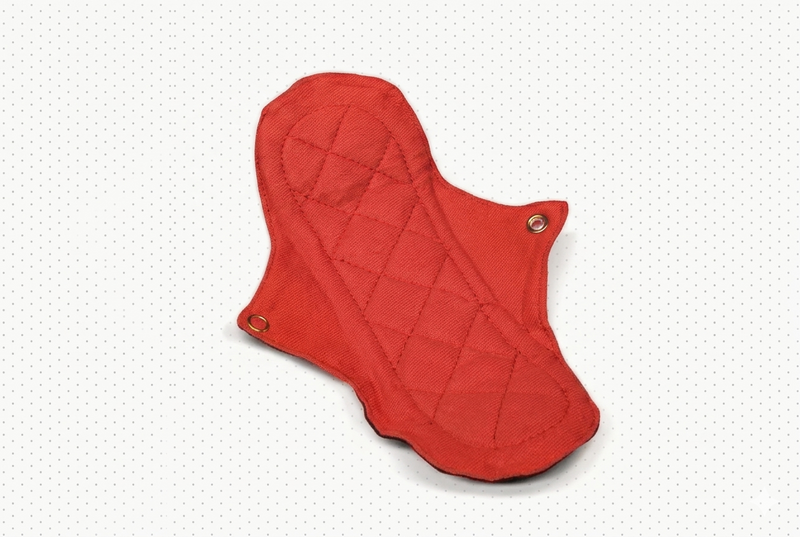
When it comes to menstrual hygiene and everyday intimate care, many people find themselves confused between panty liners and sanitary pads. While both serve important purposes, they are designed for different needs, flow levels, and comfort preferences. Understanding the difference can help you make better, more confident choices for your body.
In this guide, we’ll break down everything you need to know about panty liners, how they differ from sanitary pads, and when you should use each.
What Are Panty Liners?
Panty liners are thin, lightweight absorbent products designed for light discharge, spotting, or daily freshness. They are much slimmer than sanitary pads and are often used when full protection isn’t necessary.
Most panty liners are:
Discreet and barely noticeable
Flexible for everyday movement
Ideal for non-heavy flow days
They are commonly used outside of menstruation to maintain hygiene and comfort.
What Are Sanitary Pads?
Sanitary pads, on the other hand, are designed specifically for menstrual flow. They are thicker, more absorbent, and capable of handling moderate to heavy bleeding.
*Pads come in different sizes and absorbency levels:
*
Regular pads for moderate flow
Maxi or heavy-flow pads
Overnight pads for extended protection
They are essential during periods when protection and absorption are the top priorities.
Key Differences Between Panty Liners and Sanitary Pads
- Thickness and Size
Panty liners are thin and compact, making them perfect for daily wear. Sanitary pads are thicker and larger to handle menstrual flow effectively.
- Absorbency
Panty liners are meant for light moisture like vaginal discharge or spotting. Pads are designed to absorb menstrual blood, which requires higher absorbency.
- Usage Duration
Panty liners are typically worn for short durations during the day and changed frequently. Pads can be worn longer depending on flow but should still be changed every few hours.
- Purpose
Panty liners focus on freshness and hygiene, while sanitary pads are essential for period protection.
- Comfort Level
Because of their slim design, panty liners are more comfortable for everyday use, whereas pads may feel bulkier but provide necessary protection during periods.
When Should You Use Panty Liners?
Panty liners are incredibly versatile and can be used in many everyday situations. Here’s when they come in handy:
- Daily Freshness
Wearing panty liners daily can help you feel clean and dry, especially during long workdays or travel.
- Vaginal Discharge
It’s completely normal to experience discharge throughout your cycle. Panty liners help manage this comfortably without needing a full pad.
- Light Spotting
Panty liners are perfect for pre-period or post-period spotting, when the flow is too light for a pad.
- Backup Protection
Some people use panty liners as a backup with tampons or menstrual cups to prevent leaks.
- Post-Workout or Travel
After intense workouts or long commutes, panty liners can help maintain hygiene and prevent discomfort.
When Should You Use Sanitary Pads?
Sanitary pads are essential during menstruation and are designed for reliable protection. You should use them in the following situations:
- During Your Period
Pads are the go-to option for handling menstrual flow safely and comfortably.
- Heavy Flow Days
For days when your flow is heavier, pads offer better absorption and leak protection.
- Overnight Protection
Special overnight pads provide extended coverage and prevent leaks while sleeping.
- Postpartum Use
Pads are often recommended after childbirth due to their high absorbency.
Can You Use Panty Liners Instead of Pads?
This is a common question, and the answer depends on your flow. Panty liners are not designed to replace pads during regular or heavy periods. They simply don’t have the absorbency required.
However, for very light spotting, panty liners can be a convenient alternative. For anything beyond that, it’s always better to switch to a sanitary pad.
Choosing the Right Product for Your Needs
Your choice between panty liners and pads should depend on:
Your menstrual flow
Daily activity level
Comfort preference
Skin sensitivity
Some people also explore alternatives like padded panties for period days, which can offer a reusable and eco-conscious option. These can complement your routine, especially for lighter flow or backup support.
Tips for Better Hygiene and Comfort
Regardless of what you choose, maintaining hygiene is key:
Change panty liners every 4–6 hours
Replace pads every 4–8 hours depending on flow
Choose breathable, skin-friendly materials
Avoid using a single product for too long
Always carry extras when you’re out
Good hygiene habits can prevent irritation, infections, and discomfort.
Environmental Considerations
With increasing awareness around sustainability, many people are looking for eco-friendly options. Disposable pads and panty liners contribute to waste, so switching to reusable alternatives occasionally can make a difference.
Options like cloth pads or padded panties for period use can help reduce environmental impact while still offering comfort and protection.
Common Myths About Panty Liners and Pads
Myth 1: Panty liners are only for periods
Not true. Panty liners are primarily for daily hygiene and light discharge.
Myth 2: Pads are uncomfortable
Modern pads are designed for comfort and flexibility, making them easy to wear throughout the day.
Myth 3: You don’t need to change liners often
Even though they are thin, panty liners should be changed regularly to maintain hygiene.
Final Thoughts
Understanding the difference between panty liners and sanitary pads is essential for making informed decisions about your personal hygiene. Both serve unique purposes and can be used together depending on your needs.
Panty liners are perfect for everyday freshness, light spotting, and backup protection, while sanitary pads are essential for managing menstrual flow effectively. By choosing the right product at the right time, you can stay comfortable, confident, and worry-free throughout your cycle.
FAQs
- Can panty liners be used every day?
Yes, panty liners can be used daily for freshness and hygiene, but they should be changed regularly to avoid irritation.
- Are panty liners safe for sensitive skin?
Most panty liners are safe, but it’s best to choose breathable, chemical-free options if you have sensitive skin.
- How often should I change panty liners?
You should change panty liners every 4–6 hours or sooner if needed to maintain hygiene.
- Can panty liners handle period flow?
Panty liners are suitable only for very light spotting. For regular periods, sanitary pads are recommended.
- What is better for overnight use?
Sanitary pads, especially overnight variants, are better for extended protection while sleeping.







Top comments (0)