

Periods are a natural part of life, yet the way we manage them has long relied on convenience over sustainability. Disposable sanitary products have dominated the market for decades, but they come with hidden environmental and financial costs. Today, a noticeable shift is happening as more people explore eco-friendly alternatives—one of the most popular being washable pads.
This change is not just a trend; it’s part of a larger movement toward conscious living. From reducing waste to prioritizing personal health, people are rethinking their menstrual care choices. But what exactly makes washable options the future of period care? Let’s explore.
*The Environmental Impact of Disposable Period Products
*
Most conventional sanitary pads are made using plastic, synthetic fibers, and chemicals. A single disposable pad can take hundreds of years to decompose. Now multiply that by the number of cycles a person has in a lifetime—it quickly adds up.
Globally, billions of sanitary products are discarded each year, contributing significantly to landfill waste and ocean pollution. The plastic components not only harm ecosystems but also release toxins over time.
Switching to washable pads offers a simple yet powerful way to reduce this impact. Unlike disposable products, they are reusable for years, drastically cutting down waste generation.
*What Are Washable Pads?
*
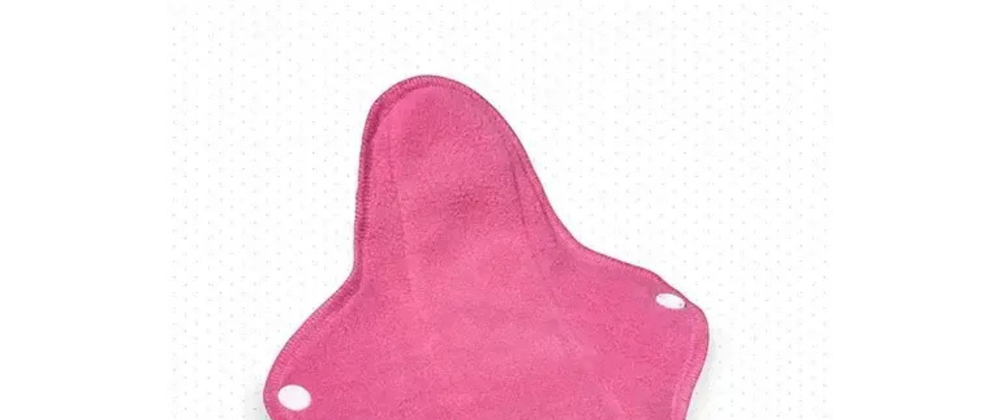
Washable pads are reusable menstrual pads made from soft, absorbent fabrics like cotton, bamboo, or microfiber. They function similarly to disposable pads but can be washed, dried, and reused multiple times.
They come in various sizes and absorbency levels, catering to light, moderate, and heavy flow days. Many are designed with leak-proof layers and snap buttons to keep them securely in place.
In essence, they provide the same functionality as traditional pads—without the environmental burden.
Why More People Are Switching to Washable Pads
- Eco-Friendly and Sustainable
One of the biggest reasons for the growing popularity of washable pads is sustainability. By reusing the same product over time, users significantly reduce their environmental footprint.
This aligns with the global push toward reducing single-use plastics and adopting greener lifestyles. For many, switching to reusable menstrual products is a meaningful step toward sustainable living.
- Cost-Effective in the Long Run
While the upfront cost of washable pads may be higher than disposable ones, they prove to be more economical over time.
A good-quality reusable pad can last for years with proper care. This means fewer purchases month after month, resulting in long-term savings.
For students and working professionals alike, this makes washable options a smart financial choice.
- Gentle on the Skin
Disposable pads often contain chemicals, fragrances, and synthetic materials that can cause irritation or discomfort for some users.
Washable pads, on the other hand, are usually made with natural fabrics that are breathable and soft against the skin. This reduces the risk of rashes, itching, and allergies, making them ideal for those with sensitive skin.
- Comfort and Breathability
Comfort plays a huge role in menstrual care. Many users report that washable pads feel more comfortable compared to their disposable counterparts.
The fabric used allows better airflow, reducing moisture buildup and keeping you feeling fresh for longer. This can make a noticeable difference, especially during long days or in warmer climates.
- Customization and Variety
Washable pads come in a wide range of designs, colors, and sizes. This allows users to choose options that suit their personal style and flow requirements.
From slim liners to heavy-flow pads, there’s something for everyone. This level of customization enhances the overall experience, making periods feel less like a burden.
The Role of Conscious Consumerism
Today’s consumers are more informed than ever. People are asking questions about where products come from, how they are made, and their impact on the planet.
This shift toward conscious consumerism is driving the demand for sustainable alternatives like washable pads. It’s no longer just about convenience—it’s about making responsible choices.
Even small changes, when adopted by many, can create a significant positive impact.
Addressing Common Concerns
Despite their benefits, some people hesitate to switch due to certain concerns. Let’s address a few of them:
“Are they hygienic?”
Yes, when washed and dried properly, washable pads are completely hygienic. Using mild detergents and ensuring they are fully dry before reuse is key.
“Are they difficult to maintain?”
Not really. Most users find the process simple after a few cycles. Rinsing, washing, and drying becomes part of a routine—much like laundry.
“Can they handle heavy flow?”
Absolutely. Many washable pads are designed specifically for heavy flow days, offering high absorbency and leak protection.
How to Use and Care for Washable Pads
Using washable pads is straightforward:
Place the pad in your underwear and secure it using the snap buttons.
Change it as needed, just like a regular pad.
After use, rinse it in cold water to remove stains.
Wash with mild detergent (hand wash or machine wash).
Air dry completely before reuse.
Proper care not only ensures hygiene but also extends the lifespan of the pads.
Washable Pads vs Other Sustainable Alternatives
The rise of sustainable period care has introduced several options, including menstrual cups and washable period underwear.
While each option has its own advantages, washable pads stand out for their ease of use and familiarity. They don’t require insertion like cups and are often easier to transition to for beginners.
Many users even combine different products based on their needs—for example, pairing pads with washable period underwear for added protection on heavier days.
Breaking the Stigma Around Period Care
The conversation around menstruation is slowly becoming more open and inclusive. Sustainable products are playing a role in this shift by encouraging people to think differently about period care.
Washable pads are not just about functionality—they represent a mindset change. They promote awareness, responsibility, and self-care.
By normalizing such choices, we move closer to a world where periods are discussed without hesitation or stigma.
The Future of Period Care
The future of menstrual care lies in sustainability, innovation, and inclusivity. As awareness grows, more people are likely to adopt reusable options.
Brands and consumers alike are contributing to this transformation. With improved designs, better materials, and increased accessibility, washable pads are becoming more appealing than ever.
They are no longer seen as an alternative—they are becoming the preferred choice for many.
Final Thoughts
Switching to washable pads is more than just a lifestyle change—it’s a step toward a more sustainable future. It reflects a conscious effort to reduce waste, save money, and prioritize personal well-being.
While the transition may take some adjustment, the long-term benefits make it worthwhile. As more people embrace eco-friendly practices, washable pads are set to play a significant role in shaping the future of period care.
FAQs
- Are washable pads safe for everyday use?
Yes, washable pads are completely safe when cleaned and dried properly. They are made from skin-friendly materials that reduce irritation.
- How long do washable pads last?
With proper care, washable pads can last anywhere from 2 to 5 years, making them a durable and cost-effective option.
- Can I use washable pads for heavy flow days?
Yes, there are high-absorbency washable pads specifically designed for heavy flow, offering reliable leak protection.
- Do washable pads smell after use?
If washed properly and dried completely, washable pads do not retain any odor. Proper hygiene is key.
- Are washable pads better than disposable pads?
Washable pads are more eco-friendly, cost-effective, and gentle on the skin compared to disposable pads, making them a preferred choice for many.







Top comments (0)