

Modern vehicles are no longer powered solely by mechanical systems. Luxury and everyday cars alike now rely on complex electronic components that control engine performance, safety features, entertainment systems, climate control, and driver assistance technologies. When an electrical issue develops, identifying the exact cause is often more challenging than fixing the problem itself. This is why professional diagnostics play a vital role in auto electrical repairing, ensuring accurate fault detection, efficient repairs, and long-term vehicle reliability. Al Quoz has become a well-known destination for automotive repair because of its advanced service facilities and experienced technicians. Professional diagnostic procedures help eliminate guesswork, reduce unnecessary repairs, and restore vehicles to their optimal condition. Whether a dashboard warning light appears or an electrical system begins malfunctioning, accurate diagnostics form the foundation of every successful repair.
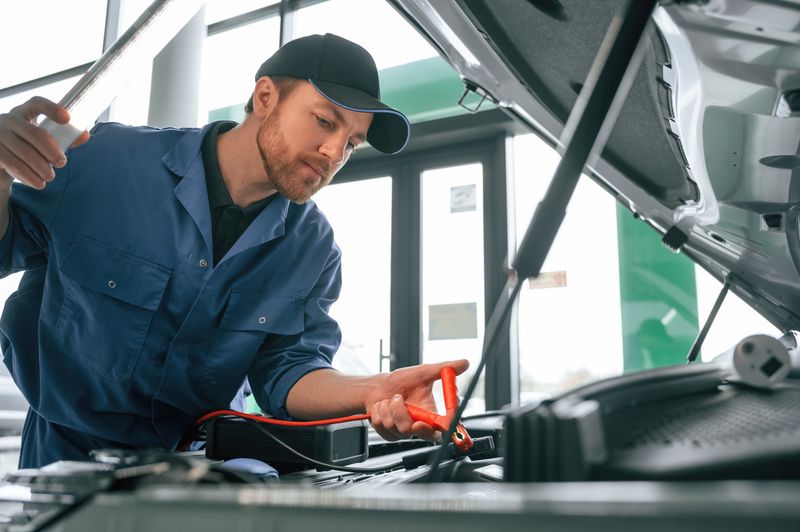
The Complexity of Modern Vehicle Electronics
Today's vehicles contain numerous electronic systems that communicate continuously with one another.
These systems include:
- Engine management
- Transmission control
- Anti-lock braking systems
- Airbag systems
- Climate control
- Power steering
- Adaptive lighting
- Parking assistance
- Navigation
- Infotainment systems
Each component depends on sensors, wiring, control modules, and software. A single fault in one area can affect multiple systems, making professional diagnosis essential.
What Are Automotive Diagnostics?
Vehicle diagnostics involve using specialized electronic equipment to communicate directly with a vehicle's onboard computers.
Diagnostic tools can:
- Read fault codes
- Monitor live system data
- Test sensors
- Evaluate battery performance
- Measure charging systems
- Analyze communication between control modules
- Detect intermittent electrical faults
Rather than replacing parts based on assumptions, technicians identify the exact source of the problem before beginning repairs.
Why Guesswork Can Be Expensive
Electrical problems often produce symptoms that resemble other mechanical or electronic faults.
For example:
- A weak battery may appear to be a faulty alternator.
- Wiring damage may trigger multiple warning lights.
- Sensor failures may reduce engine performance.
- Software issues may imitate hardware failures.
Replacing parts without proper diagnosis increases repair costs and may leave the original problem unresolved.
Professional diagnostics eliminate this uncertainty by identifying the actual fault quickly and accurately.
Early Detection Prevents Larger Repairs
Small electrical issues rarely remain isolated.
Minor problems such as:
- Loose connectors
- Corroded terminals
- Weak batteries
- Damaged wiring
- Faulty sensors
can gradually affect additional vehicle systems if ignored.
Professional inspections allow technicians to detect developing faults before they result in more extensive repairs or roadside breakdowns.
Understanding Diagnostic Trouble Codes
Modern vehicles continuously monitor their operating systems.
When abnormalities occur, the onboard computer stores Diagnostic Trouble Codes (DTCs).
These codes help technicians identify:
- Engine faults
- Sensor failures
- Electrical circuit problems
- Communication errors
- Emission system issues
- Charging system faults
However, fault codes alone do not confirm which component requires replacement. Skilled technicians combine electronic data with physical inspections and electrical testing to determine the true cause.
Advanced Diagnostic Equipment
Professional workshops invest in sophisticated equipment specifically designed for modern vehicles.
These tools include:
- Manufacturer-compatible scanners
- Digital multimeters
- Oscilloscopes
- Battery analyzers
- Charging system testers
- Circuit testers
- Software programming devices
Such equipment provides precise measurements that cannot be obtained through visual inspection alone.
Diagnosing Battery Problems
Vehicle batteries support dozens of electronic systems even before the engine starts.
Professional testing evaluates:
- Battery voltage
- Internal resistance
- Charging capacity
- Starting performance
- Remaining service life
These tests help determine whether replacement is necessary or if another component is causing the problem.
Charging System Evaluation
The alternator maintains battery charge while supplying electrical power during vehicle operation.
Professional diagnostics assess:
- Charging voltage
- Output stability
- Regulator performance
- Belt operation
- Electrical load capacity
Identifying charging issues early helps prevent unexpected battery failures.
Sensor Analysis
Modern vehicles rely on numerous sensors to provide continuous operating data.
Common sensors include:
- Oxygen sensors
- Wheel speed sensors
- Temperature sensors
- Airflow sensors
- Position sensors
- Pressure sensors
A malfunctioning sensor can affect engine performance, fuel economy, emissions, and safety systems.
Professional diagnostic equipment evaluates sensor signals in real time to confirm whether a sensor has failed or another issue is affecting its operation.
Electronic Control Module Testing
Luxury vehicles often contain dozens of Electronic Control Units (ECUs).
Each module performs specific functions, including:
- Engine control
- Transmission management
- Brake operation
- Airbag deployment
- Lighting control
- Climate regulation
Professional diagnostics verify communication between modules and identify programming errors, communication interruptions, or hardware failures.
Wiring Inspection
Vehicle wiring is exposed to heat, vibration, moisture, and dirt throughout its lifespan.
Professional inspections identify:
- Broken wires
- Loose connections
- Corroded terminals
- Short circuits
- Ground faults
- Damaged insulation
Electrical testing confirms circuit integrity without unnecessary dismantling of vehicle components.
Supporting Safety Systems
Modern safety technologies depend on accurate electronic communication.
Professional diagnostics help maintain systems such as:
- Anti-lock braking
- Stability control
- Adaptive cruise control
- Lane departure warning
- Collision avoidance
- Blind spot monitoring
These features require precise calibration following repairs to ensure reliable operation.
Software and System Updates
Many electrical concerns originate from outdated software rather than defective hardware.
Professional workshops can perform:
- Control module updates
- Software calibration
- System programming
- Electronic synchronization
Keeping vehicle software current improves reliability while correcting known operational issues.
Diagnostics Following Accident Repairs
Even relatively minor collisions may damage electrical systems.
Common affected components include:
- Parking sensors
- Cameras
- Wiring harnesses
- Lighting systems
- Electronic modules
- Safety sensors
When collision repairs are required, a qualified auto body repair shop works alongside diagnostic specialists to restore both structural and electronic systems to proper operating condition.
Benefits of Professional Diagnostics
Professional diagnostics provide significant advantages throughout the repair process.
These include:
- Accurate fault identification
- Faster repairs
- Reduced unnecessary parts replacement
- Lower long-term maintenance costs
- Improved vehicle safety
- Better electrical system reliability
- Enhanced driving performance
Accurate diagnosis also minimizes repeat workshop visits caused by unresolved faults.
Common Warning Signs That Require Diagnostics
Drivers should arrange a professional inspection when they notice:
- Dashboard warning lights
- Slow engine starting
- Flickering headlights
- Battery repeatedly losing charge
- Power window failures
- Infotainment malfunctions
- Climate control problems
- Sensor warnings
- Electrical burning smells
Addressing these symptoms promptly reduces the likelihood of more extensive repairs.
Choosing a Qualified Repair Facility
Not every workshop possesses the equipment or expertise required for modern vehicle diagnostics.
Consider the following when selecting a repair center:
Experienced Technicians
Qualified professionals understand complex electrical systems and follow systematic diagnostic procedures.
Modern Equipment
Advanced diagnostic technology ensures accurate testing and efficient repairs.
Quality Components
Reliable replacement parts improve long-term durability and compatibility.
Comprehensive Repair Services
A workshop capable of managing both electrical and structural repairs offers greater convenience. If accident damage has affected electrical components, working with an experienced auto body repair shop ensures that cosmetic, structural, and electronic systems are restored together.
Preventive Diagnostics Save Money
Routine diagnostic inspections can identify hidden problems before they become expensive repairs.
Preventive evaluations help detect:
- Weak batteries
- Charging irregularities
- Sensor deterioration
- Wiring wear
- Software issues
- Module communication faults
Addressing these concerns early extends component life and reduces unexpected repair costs.
The Future of Automotive Diagnostics
Vehicle technology continues evolving rapidly with increasing levels of automation and connectivity.
Future diagnostic systems will likely incorporate:
- Artificial intelligence
- Remote monitoring
- Predictive maintenance
- Cloud-based software updates
- Advanced vehicle communication systems
Professional technicians will continue playing an essential role in interpreting diagnostic data and performing accurate repairs despite these technological advances.
Final Thought
Professional diagnostics are the foundation of effective auto electrical repairing because they identify faults accurately before repairs begin. From batteries and sensors to advanced electronic control modules, modern vehicles depend on sophisticated electrical systems that require specialized equipment and technical expertise. Combined with quality repairs and the support of a trusted auto body repair shop when collision-related electrical damage occurs, professional diagnostics help maintain vehicle safety, reliability, and long-term performance while reducing unnecessary repair costs.






Top comments (0)