


One of the most common concerns among both new and experienced beekeepers is whether beekeeping gloves are too thick to handle frames with precision. It’s a fair question—working inside a hive requires care, sensitivity, and control. But does wearing gloves actually get in the way?
The truth is, not all beekeeping gloves are created equal. Traditional gloves, especially older leather designs, can sometimes feel bulky. This thickness may reduce dexterity, making it harder to grip frames delicately or avoid crushing bees. For beginners, this can lead to hesitation and less confidence when inspecting the hive.
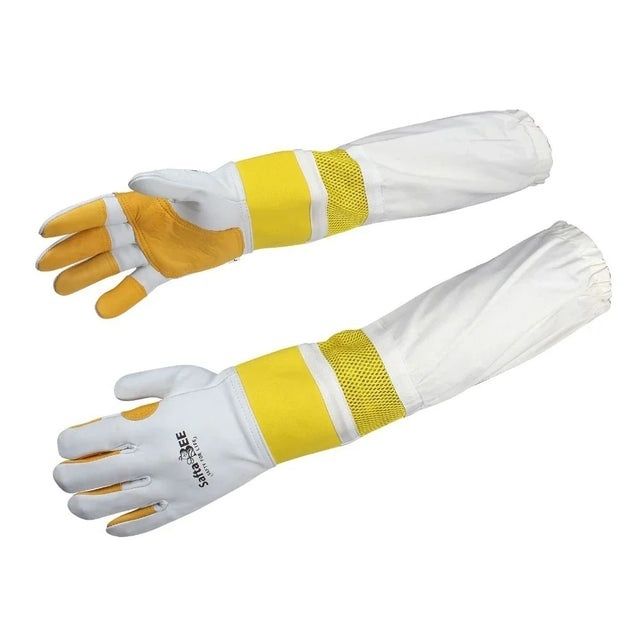
However, modern beekeeping gloves are designed with both protection and flexibility in mind. High-quality gloves use softer, more pliable materials that allow better finger movement while still providing strong sting resistance. With the right pair of beekeeping gloves, handling frames becomes much easier and more natural over time.
It’s also important to remember that skill plays a major role. Even with slightly thicker beekeeping gloves, experienced beekeepers develop techniques that allow them to work smoothly and efficiently. Practice helps you adapt to the feel of gloves, improving your control and reducing the risk of harming bees.
At Safta Bee, we manufacture beekeeping gloves, suits, and other protective clothing designed to strike the perfect balance between safety and usability. Our goal is to ensure that beekeeping gloves offer reliable protection without compromising your ability to work confidently inside the hive.
In conclusion, beekeeping gloves are not necessarily too thick—they just need to be the right quality and fit. When chosen carefully, they enhance both safety and performance, allowing you to handle frames properly while staying protected.




Top comments (0)