
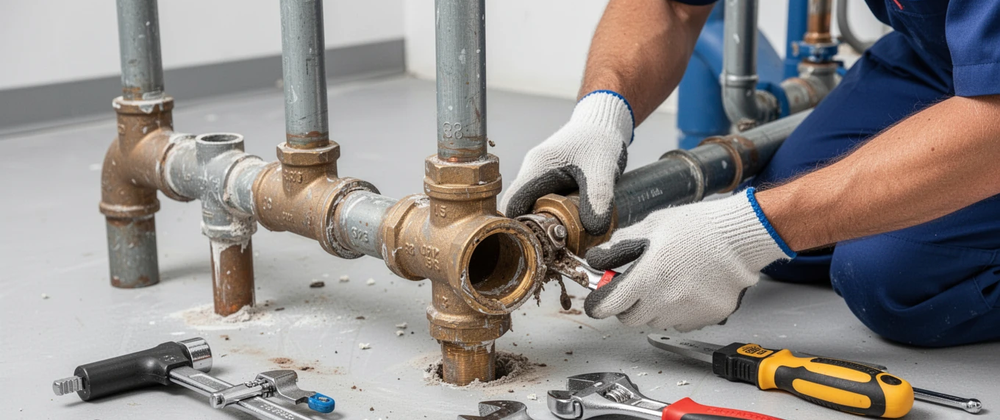

A small plumbing leak can become a major household problem faster than many homeowners expect. From hidden moisture behind walls to sudden drops in water pressure, damaged pipes often give warning signs before they fail completely. Knowing when to call a professional can save money, protect your property, and reduce disruption. For homeowners considering Pipe Repair in Fort White, timely professional help can make a significant difference.
Recognizing the Warning Signs of Pipe Damage
Pipe problems rarely appear without clues. Some signs are obvious, such as visible leaks beneath a sink, while others can remain hidden inside walls, ceilings, floors, or underground areas.
Unusual plumbing behavior deserves attention, especially when it continues despite normal water use. Ignoring these symptoms may allow a small defect to develop into a larger failure.
Watch for Persistent Water Leaks
A dripping faucet is not always a pipe problem, but moisture around pipe connections can indicate trouble. Wet cabinets, damp walls, water stains, or unexplained puddles should never be treated as ordinary household issues.
Even a slow leak can waste water and damage nearby materials. Professional inspection can determine whether the problem involves a loose connection, damaged section, corrosion, or another plumbing issue.
Pay Attention to Low Water Pressure
A sudden or unexplained drop in water pressure can have several causes. A damaged, clogged, or leaking pipe may restrict the amount of water reaching fixtures.
Changes that affect multiple faucets deserve particular attention. A plumber can test the system and determine whether the issue comes from the pipes, valves, fixtures, or the incoming water supply.
Notice Discolored or Unusual Water
Brown, yellow, or rusty-looking water may indicate corrosion or sediment inside older plumbing components. Although water discoloration can have causes beyond damaged pipes, it should not be ignored when it occurs repeatedly.
Professional assessment is especially useful when discoloration appears alongside leaks, unusual odors, or changes in water pressure. Finding the source early can prevent a more serious plumbing failure.
Situations That Require Professional Pipe Repair
Some plumbing problems can be addressed with simple maintenance, but damaged supply or drainage pipes usually require more careful work. Attempting a complicated repair without the right tools or knowledge can create additional leaks or property damage.
Professional service becomes particularly important when the pipe is concealed, severely damaged, difficult to access, or connected to a larger plumbing system.
Call a Professional for Hidden Leaks
Hidden leaks can be difficult to locate because water may travel away from the actual damaged area. A stain on a ceiling, for example, may originate from plumbing several feet away.
Professionals can inspect the surrounding system and use appropriate diagnostic methods to identify the source. Accurate detection prevents unnecessary demolition and helps ensure the actual problem receives attention.
Seek Help for Burst or Severely Damaged Pipes
A burst pipe requires immediate action because water can quickly spread through floors, walls, insulation, and personal belongings. Shut off the main water supply as soon as possible, then contact a qualified plumber.
Temporary measures may reduce water flow, but they do not replace a permanent repair. Professional pipe repair addresses the damaged section and helps determine why the failure occurred.
Hire an Expert for Corroded Pipes
Corrosion can weaken plumbing gradually. Eventually, a pipe may develop pinhole leaks, cracks, or larger openings that require replacement rather than a simple patch.
A professional can assess the condition of the affected pipe and surrounding plumbing. This evaluation helps determine whether repairing one section is appropriate or whether replacement offers a more reliable long-term solution.
Why DIY Pipe Repairs Can Create Bigger Problems
Homeowners often try to fix plumbing problems themselves to reduce expenses. Simple tasks, such as replacing an accessible washer or tightening an appropriate connection, may be manageable for some people.
However, pipe damage is different. A repair that appears successful on the surface can still leave a weak connection or hidden leak.
Incorrect Repairs May Cause Additional Leaks
Pipe systems must handle water pressure continuously. Using the wrong fitting, sealant, or repair method can cause a connection to fail later.
Water may then enter areas that are difficult to inspect. Professional work helps ensure that replacement materials and repair techniques are suitable for the plumbing system.
Hidden Damage May Go Undetected
A visible leak does not always represent the full extent of the problem. Moisture may have already affected drywall, flooring, cabinets, insulation, or structural materials.
Professionals can inspect the surrounding area and identify related concerns. Addressing the complete problem is more effective than simply covering the visible symptom.
Some Repairs Require Specialized Equipment
Certain plumbing jobs require tools designed to locate leaks, access concealed piping, cut and join pipe safely, or evaluate water pressure. Homeowners may not have these tools readily available.
Using unsuitable equipment can damage pipes or surrounding surfaces. Professional plumbers have the training and equipment needed for more complex pipe work.
How Professional Pipe Repair Protects Your Home
Professional repair is not simply about stopping water from escaping. The goal is to restore proper plumbing function while reducing the likelihood of another failure.
A careful repair can also protect the areas surrounding the plumbing system from continued moisture exposure.
Preventing Water Damage
Water can cause significant damage when it remains undetected. Wood can absorb moisture, drywall can deteriorate, and persistent dampness can create conditions that encourage mold growth.
Quick action limits the amount of water entering the property. Once the pipe problem is corrected, homeowners can also address any materials affected by the leak.
Protecting Water Efficiency
Leaking pipes waste water even when the leak seems minor. A continuous drip or small pressurized leak can continue for hours or days without being noticed.
Repairing the source helps restore normal water use. It can also prevent homeowners from paying for water that never reaches a faucet or appliance.
Maintaining Reliable Plumbing Performance
Healthy pipes help maintain consistent water flow throughout the property. Damaged sections can interfere with pressure and create unpredictable plumbing behavior.
Professional assessment ensures that the repair addresses the underlying issue. This approach provides greater confidence that the system will continue working properly.
Choosing the Right Time for Pipe Repair
Waiting for a pipe to fail completely is rarely the best strategy. Early intervention is often easier because the damage may be limited to a smaller section of plumbing.
Homeowners should arrange an inspection whenever warning signs persist or become more frequent.
Consider the Age of the Plumbing System
Older plumbing systems may require closer monitoring, particularly when pipes have experienced repeated leaks or corrosion. Age alone does not mean every pipe needs replacement, but it can increase the importance of regular evaluation.
A professional can assess the condition of visible and accessible plumbing. That information helps homeowners make informed decisions about repairs and future maintenance.
Take Recurring Problems Seriously
Repeated leaks in the same area may indicate an underlying issue rather than bad luck. Excessive pressure, corrosion, movement, poor connections, or deteriorating materials can contribute to recurring failures.
Repairing the same spot repeatedly may become more expensive over time. A professional inspection can identify the cause and determine whether a broader repair is needed.
What to Expect During a Professional Pipe Repair
Understanding the repair process can make the experience less stressful. Although procedures vary depending on the location and type of damage, professional pipe work generally begins with inspection and diagnosis.
Inspection and Problem Identification
The plumber first examines the symptoms and determines where the problem originates. They may inspect exposed piping, test water pressure, check connections, or use specialized equipment when the damaged section is difficult to access.
Accurate diagnosis matters because replacing the wrong section will not solve the underlying problem. A careful inspection also helps identify related issues that may need attention.
Repair or Replacement
The appropriate solution depends on the pipe's material, location, condition, and extent of damage. A small localized defect may be repairable, while extensive corrosion or repeated failures may justify replacing a larger section.
A professional can explain the available options and recommend an approach based on the condition of the system. This gives the homeowner a clearer understanding of the work involved.
Testing the Completed Work
Proper testing is an important final step. The plumber should verify that the repaired section holds pressure and that water flows correctly through the affected fixtures.
Testing helps identify problems before the service is considered complete. It also provides greater assurance that the repair has restored the plumbing system properly.
Practical Ways to Reduce Future Pipe Problems
Professional repairs solve existing problems, but everyday habits can help reduce future plumbing damage. Homeowners should avoid placing unnecessary stress on their plumbing system and respond promptly to unusual changes.
Useful practices include:
Check exposed pipes periodically for moisture or corrosion.
Monitor water pressure for sudden changes.
Fix small leaks instead of allowing them to continue.
Keep cabinets around plumbing dry and well ventilated.
Avoid using excessive force on pipe connections or valves.
Arrange professional inspections when recurring problems appear.
Know where the home's main water shutoff valve is located.
Keep plumbing areas accessible so leaks can be spotted quickly.
These simple steps can make plumbing problems easier to identify. More importantly, early attention can reduce the risk of extensive water damage.
Conclusion
Knowing when to hire a professional for pipe repair can protect both your plumbing system and your property. Persistent leaks, low water pressure, discolored water, recurring problems, hidden moisture, and burst pipes all deserve prompt attention. Professional diagnosis is especially valuable when damage is concealed or the repair requires specialized equipment. Rather than repeatedly treating symptoms, homeowners can benefit from identifying the underlying cause and choosing the right repair or replacement. Timely action can limit water damage, reduce waste, and help keep the plumbing system dependable for years to come.







Top comments (0)