
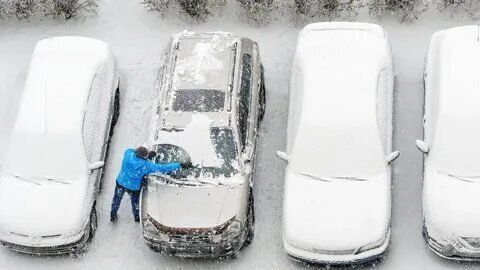

Cold weather can affect both tire performance and battery strength long before a vehicle stops working. When temperatures fall, tire pressure drops, rubber becomes firmer, and an older battery has less power available to start a cold engine. Canadian winters make these changes especially important because drivers often face snow, ice, short trips, and long overnight parking. Checking tire pressure, tread condition, battery health, and charging performance before deep cold arrives can reduce breakdowns and improve winter driving safety significantly.
The first cold snap often exposes problems that were easy to miss during autumn. A dependable auto shop in Chinook can check tire pressure, tread condition, battery output, charging voltage, and electrical connections before the coldest part of winter arrives. This is useful because low pressure and weak battery performance often show up at the same time. A little preparation can prevent a stressful no-start situation or poor traction on a freezing morning.
Why Tire Pressure Drops in Cold Weather
Air contracts as temperatures fall, which means the pressure inside your tires also drops. This does not always mean there is a leak, especially when all four tires lose a similar amount after a sharp weather change. However, one tire that keeps losing more pressure than the others may have a puncture, valve leak, damaged bead, or wheel sealing problem.
Low tire pressure changes the shape of the contact area and can make steering feel softer. It can also increase shoulder wear and rolling resistance. I recommend checking pressure when the tires are cold and using the pressure listed on the driver’s door placard. Do not use the maximum pressure printed on the tire sidewall as the normal target.
Check Again After a Major Temperature Change
Calgary weather can shift quickly, so a pressure reading from two weeks ago may no longer be accurate. A fresh check after a strong cold front is a good habit. If the tire pressure warning returns soon after inflation, the tire should be inspected instead of repeatedly topped up.
Cold Rubber Changes Grip
Temperature affects the rubber compound as well as the air inside the tire. Many all-season tires become firmer in cold conditions, which can reduce their ability to grip cold pavement. Winter tires use compounds and tread patterns designed to remain more flexible in lower temperatures and handle snow and slush more effectively.
Tread depth still matters even when the vehicle has winter tires. A worn winter tire cannot move snow, slush, and water as well as one with deeper tread. It may still look usable on dry pavement while offering much less confidence during poor weather. That is why tire condition should be checked before the first major snowfall.
Why Batteries Struggle More in Winter
A vehicle battery relies on a chemical reaction to produce electrical energy. Cold temperatures slow that reaction, reducing the amount of power available for starting. At the same time, a cold engine can require more effort to crank, especially after sitting outside overnight.
I have seen vehicles start normally through autumn and then crank very slowly as soon as the temperature drops. During a winter inspection at Heritage AutoPro and Tire, I would want the battery and charging system tested together instead of assuming the battery is always the only problem. A weak alternator, corroded terminal, poor connection, or electrical drain can create similar symptoms. Testing the full starting and charging system helps identify the real cause.
Signs Your Battery May Be Weak
A battery rarely gives the same warning in every vehicle, but several symptoms deserve attention:
- Slow engine cranking: The starter turns the engine more slowly than usual.
- Repeated boost starts: Needing frequent boosts suggests the battery or charging system needs testing.
- Dim lights during startup: A noticeable drop in brightness can point to low available voltage.
- Corroded battery terminals: Heavy buildup can interfere with current flow.
- Electrical resets: Clocks, radio settings, or other systems may reset after a weak start. If any of these signs appear before a cold night, do not assume the vehicle will start normally the next morning. A simple battery test can show whether the battery still has useful starting capacity.
Short Winter Trips Can Make Things Worse
Cold starts use a significant amount of battery energy. If the vehicle is driven only a few kilometres, the charging system may not have enough time to replace all the energy used during startup. Heated seats, blower fans, rear defrost, headlights, and other electrical loads can add to the demand.
This is common for drivers who use their vehicle mainly for short errands. The battery may slowly become less charged even though the alternator is working. If the car repeatedly struggles to start, the battery and charging system should be tested rather than relying on regular boost starts.
Tire Pressure Monitoring Systems Are Helpful, but Not Perfect
A tire pressure monitoring system can alert you when pressure falls below a certain level, but it should not replace manual checks. The warning may appear only after pressure has already dropped enough to matter. Also, a sensor problem can create a warning even when the tire itself is fine.
I recommend keeping a simple pressure gauge in the vehicle. It allows you to confirm the actual reading before adding air. If one tire repeatedly triggers the warning, look for a leak instead of assuming cold weather is always responsible.
Build a Simple Winter Check Routine
Before deep winter arrives, check tire pressure, tread depth, battery condition, charging performance, and battery terminals. Recheck pressure after major temperature changes and pay attention to slower cranking. Small changes often appear before a complete failure.
Cold weather is hard on both tires and batteries, but many winter problems give warning signs first. Low pressure, uneven tread, repeated pressure warnings, slow cranking, and frequent boosts all deserve attention. A few basic checks before the coldest weather can improve traction, reduce starting problems, and lower the chance of being stranded during a Canadian winter.







Top comments (0)