
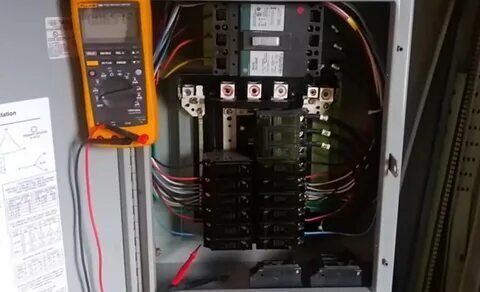

A circuit breaker trips to protect your home from electrical damage when it detects too much current, a short circuit, or a ground fault. While resetting the breaker may restore power for a while, repeated trips usually point to an underlying problem that should not be ignored. Finding the cause early helps prevent damaged wiring, appliance failures, and potential fire hazards. A careful inspection can often determine whether the issue is a simple overload or a more serious electrical fault.
Start by Looking at What Was Running
The first thing I do when a breaker keeps tripping is think about what was plugged in or running at the time. It is surprising how often the answer is right there. A portable heater, microwave, hair dryer, or another high-powered appliance may have pushed the circuit beyond its limit.
Some homeowners searching for ac installation New Braunfels mention that their breaker began tripping after adding a new cooling system or other major appliance. That does not always mean the equipment is defective. Sometimes the home's electrical system simply needs a dedicated circuit or an upgrade to safely handle the added demand.
An Overloaded Circuit Is the Most Common Cause
Modern homes use more electricity than ever before. Charging devices, kitchen appliances, entertainment systems, and home office equipment can all end up sharing the same circuit.
When too many devices operate at once, the breaker does exactly what it was designed to do. It shuts the circuit off before the wiring overheats. If this happens regularly, try spreading appliances across different outlets that belong to separate circuits instead of relying on one area of the house.
Short Circuits Need Immediate Attention
A short circuit happens when a hot wire touches another wire or a grounded surface. This creates a sudden surge of electricity that causes the breaker to trip almost instantly.
You may notice a burning smell, discolored outlets, or even small sparks before the breaker shuts off. These warning signs should never be ignored. Turning the breaker back on without identifying the cause can make the situation much more dangerous.
Ground Faults Can Be Hard to Spot
Ground faults are similar to short circuits but occur when electricity takes an unintended path to the ground. Bathrooms, kitchens, garages, laundry rooms, and outdoor outlets are more likely to experience this problem because moisture increases the risk.
Ground Fault Circuit Interrupter outlets are designed to react quickly when they detect this condition. If one keeps tripping, unplug nearby devices first. If the outlet still will not reset, it should be inspected by a qualified electrician.
A Faulty Appliance Can Trigger the Breaker
Sometimes the wiring inside an appliance begins to fail even though the appliance still appears to work. The breaker trips because it detects unsafe electrical conditions before permanent damage occurs.
I once helped a homeowner test this by unplugging everything on the affected circuit. After plugging items back in one at a time, the breaker tripped only when an older window air conditioner was connected. The appliance had developed an internal electrical fault that was impossible to see from the outside.
Aging Electrical Panels Can Create Ongoing Problems
Older electrical panels were not designed for today's electrical demands. Years of heavy use can also wear out breakers until they become overly sensitive or fail to provide consistent protection.
During a conversation with a technician from APEX Electrical A/C And Heating LLC, we discussed how older homes often experience recurring breaker issues after homeowners add new appliances without updating the electrical system. The advice was simple. Do not assume every trip is caused by a bad breaker. The entire electrical system should be evaluated before replacing parts.
Signs the Problem Is Becoming More Serious
A breaker that trips once after a temporary overload is usually not a reason to panic. Repeated trips, unusual smells, or visible damage tell a different story.
Pay attention to these warning signs:
The same breaker trips several times each week.
Lights flicker before power shuts off.
Outlets feel warm or have burn marks.
You notice a burning odor near the electrical panel.
The breaker refuses to stay reset after unplugging appliances.
Buzzing sounds come from outlets or the breaker panel.
These symptoms often point to wiring problems that require professional diagnosis.
Should You Keep Resetting the Breaker?
Many homeowners believe resetting the breaker several times is harmless if the power comes back on. I have found that this habit often delays finding the real issue.
A breaker is a safety device, not an inconvenience. When it trips repeatedly, it is responding to a condition that could damage your home's electrical system. If it trips again after one reset and basic troubleshooting, leave it off until the cause has been identified.
When It Is Time to Call an Electrician
Some electrical issues can be solved by unplugging overloaded devices or replacing a damaged appliance. Others involve hidden wiring, failing breakers, or problems inside the electrical panel that require specialized testing equipment.
If the breaker continues tripping, if you notice signs of overheating, or if the affected circuit powers essential equipment, do not wait for the problem to become worse. A qualified electrician can safely trace the fault, repair damaged components, and confirm the system is operating correctly.
Final Thoughts
A circuit breaker that keeps tripping is doing its job by protecting your home from unsafe electrical conditions. The challenge is finding out why it keeps happening. Start with the simple possibilities, such as overloaded circuits or faulty appliances, then move toward a professional inspection if the problem continues. Acting early helps protect your wiring, prevents costly repairs, and keeps your home's electrical system safe for everyday use.







Top comments (0)