

An Indian wedding is not a single event. It is a series of festivities that are stacked upon several days, each having their own traditions, attire, emotionality, and requirements for organization. The mehndi, the haldi, the sangeet, the baraat, the wedding ceremony, the reception, and at times, a post-wedding brunch in its own right. Each of the functions should have a venue, a food and beverage arrangement, a decor brief, a sound arrangement, a photography team, and a guest management plan. When you factor in an experienced Indian wedding planner, who's been in this industry for decades and has certain expectations on how things should be done, you start realizing why an experienced Indian wedding planner is not a luxury. It's the one thing you'll book that is most important.
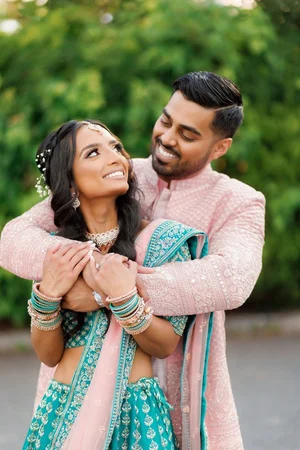
Unlike that of an average Indian wedding planner, a good Indian one is able to handle all these aspects at once and not let any single aspect slip while they are busy with another one! That skill shines through best and is put to the test most in the vendor and venue coordination aspect.
Venue Selection is a Strategy, NOT a Search!
Selection of a venue is one of the primary coordination issues that any Indian Wedding Planner faces, and it is more than just a space with sufficient seating for the guests. A savvy planner thinks about venue selection as a strategic decision, which leads to all other decisions.
Indian wedding venues should be able to accommodate all events, including multiple events in the same venue. A lawn or courtyard area for the baraat (procession), a separate area or banquet hall for the ceremony, an area for the reception, and preferably the ability to accommodate families who come from other cities or overseas. Planners who have worked in this area regularly can have established a relationship with venues that are South Asian and understand what is required for a South Asian wedding, such as being able to have a ceremonial fire lit inside or letting outside caterers who specialise in serving the regional cuisine the family craves.
The venue also determines the requirements for the catering, decor, and logistics that follow. If the planner books the venue without considering the consequences for the following vendors, he or she is causing trouble for all the other vendors that follow. If it's booked by one with the vision already conceived, all the subsequent bookings will be smoother.
Why vendors should be taken seriously
One of the most important aspects of an Indian wedding planner's job is to have the right vendor network. Over the course of many years in the field, good planners have developed relationships with those caterers, decorators, photographers, videographers, makeup artists, dhol players, priests, transportation companies, and entertainment vendors they know and have proven to be reliable.
This, in reality, is very important. A repeating vendor is familiar with the planner's expectations and his or her approach to communication. They come to work equipped, perform agreed-upon duties, and solve problems behind the scenes instead of involving the couple and their families the morning of the wedding. In return, the planner is able to identify the different vendors to call for specific needs and those to steer clear of for specific events. This is knowledge that doesn't just happen overnight and can be built up only over the course of years.
When a vendor is booked up on one's own without being connected to the planner's network, it is a risk to solely depend on online reviews and word of mouth; there's no network to go back to when things go wrong. There's always a possibility of something going wrong in an event of this length. The key to ensuring that everything runs smoothly is the planner's vendor relationships.
The Master Timeline and How It Holds Everything Together
The Indian wedding planner's main coordination document is the master timeline, once venues are finalized and the vendors are booked. It includes all of the functions, all of the vendors' arrival and set up times, all the times of the ceremonies, all the times meals are served, all the transitions between spaces, as well as all of the family responsibilities to manage on the day.
This may take several dozen pages for a four-day Indian wedding and cover hundreds of points of individual logistics. The decorator has to be at the site 8 hours prior to the guests' arrival. The catering staff must take over the kitchen at a certain time. The hair and Makeup team should start 6 hours before the ceremony, with the bride and bridesmaids. It is necessary that the briefing of the pandit to the family be done beforehand about its particular traditions and customs in the region where the ceremony is to be held. The baraat procession has to be planned, timed, and have the band ready in the right spot at the right time.
The planner keeps track of all this for all vendors at once and expects each vendor to be responsible for meeting their schedule, and to adjust on the fly, as it turns out, inevitably, things do go slightly over or under. The families experience a continuous celebration. The planner is at work continually to keep it that way.
Managing the Human Side of a Very Human Event
The structural aspect of a job is vendor and venue coordination. Indian wedding planning is truly complicated because it's human, and that's on top of everything else.
With interfaith marriage comes the interfaith wedding families' differing expectations and cultural backgrounds, as well as differing views on how each ceremony ought to go. A master planner is the neutral who keeps the couple's vision as the main vision, but who also can deal with family influence diplomatically and patiently, as necessary.
Conclusion
The very best Indian wedding planner brings you more than just logistics management. They are able to provide the opportunity for couples and families to be present for one of the most important times of their lives without having to worry about what comes next.
Tum Hi Ho Events is a leading wedding planner company that deals with luxury South Asian and Indian weddings. The firm has been enjoying high quality and cultural authenticity and comes up with unique celebrations that are both traditional, elegant, and modern. It does not matter how large or small a destination wedding is, whether it is a big family get-together or a small one, Tum Hi Ho Events will turn any wedding into one of the memorable events that will be performed to perfection.






Top comments (0)