
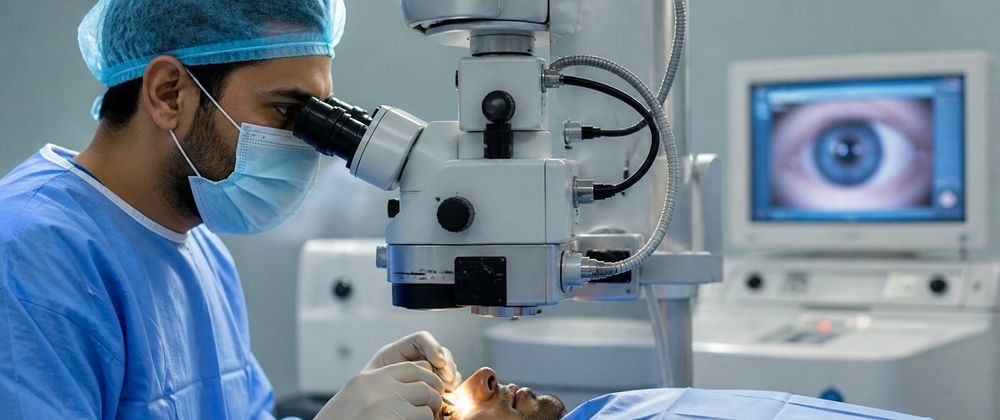

For people considering vision correction in Pakistan, understanding Recovery Time After Laser Eye Surgery Khanewal is just as important as learning about the procedure itself. Whether you are a student, working professional, or retiree, knowing how long healing takes helps you plan your routine with confidence. Modern laser eye surgery has transformed vision correction by offering faster healing, improved precision, and long-lasting results for eligible patients.
Choosing laser vision correction means investing in clearer eyesight and a better quality of life. However, every patient should have realistic expectations about Recovery Time After Laser Eye Surgery Khanewal before scheduling treatment. While many individuals notice significant improvements within the first 24 hours, complete healing takes place gradually over several weeks and months. Understanding every stage of recovery can help you follow proper aftercare and achieve the best possible outcome in 2026.
### Why Recovery Time Matters After Laser Eye Surgery
Recovery is an essential part of successful laser eye surgery. Although the procedure itself usually takes only a short time, the eyes continue healing long after leaving the clinic. During this period, the cornea stabilizes, vision improves, and the eye adjusts to its new shape.
Most patients focus on the surgery itself, but following post-operative instructions is equally important. Proper recovery reduces the risk of complications and supports long-term visual stability. The better you care for your eyes after surgery, the more likely you are to enjoy excellent results.
What Happens Immediately After Surgery
The first few hours following laser eye surgery are dedicated to rest and healing. Patients commonly experience watery eyes, mild irritation, light sensitivity, or a slight burning sensation. These symptoms are temporary and usually improve within several hours.
Doctors generally recommend going home immediately after the procedure. Resting with closed eyes allows the healing process to begin naturally. Avoiding bright lights, television, and mobile screens during the first day also helps reduce discomfort.
The First 24 Hours of Recovery
The first day is often the most exciting part of recovery because many patients already notice clearer vision. Although eyesight may still appear slightly blurry or hazy, improvement usually becomes noticeable by the following morning.
Most eye specialists schedule the first follow-up appointment within 24 hours. During this visit, the healing process is carefully evaluated, and the surgeon ensures that the cornea is recovering as expected.
Patients are advised to continue using prescribed eye drops and avoid touching or rubbing their eyes.
Recovery During the First Week
The first week is a critical stage in the healing process. Vision continues improving every day, although small fluctuations are completely normal.
Many patients return to desk jobs within one or two days, depending on their comfort level and their surgeon's recommendations. Activities that involve heavy lifting, excessive bending, or exposure to dust should still be avoided.
Some people experience dry eyes, glare around lights, or mild halos during nighttime driving. These temporary effects gradually decrease as healing continues.
Healing During the First Month
The first month is when patients begin feeling more comfortable with their vision. Reading, driving, office work, and most daily activities become much easier.
Although vision often appears stable, microscopic healing continues beneath the surface of the cornea. This ongoing recovery explains why regular follow-up visits remain important even when eyesight feels normal.
Lubricating eye drops are commonly recommended throughout this period to relieve temporary dryness and support healthy healing.
When Does Complete Recovery Occur?
Complete recovery depends on several factors, including the type of laser procedure, the patient's age, and overall eye health.
Many individuals achieve functional vision within a few days, but complete stabilization of vision may require three to six months. During this period, the cornea continues adapting to its new shape while delivering increasingly stable visual performance.
Patience is essential because every patient heals at a different pace.
Factors That Affect Recovery Time
Recovery varies from one patient to another. Younger individuals often heal slightly faster because their corneal tissue regenerates more efficiently.
The severity of the original vision problem also influences healing. Patients with mild refractive errors may recover sooner than those requiring more extensive correction.
Good general health, healthy tear production, and careful compliance with medical instructions all contribute to smoother recovery.
Lifestyle choices such as smoking, dehydration, and poor sleep may delay healing and should be minimized whenever possible.
The Importance of Following Medical Instructions
One of the biggest contributors to successful recovery is following every instruction provided by the eye surgeon.
Patients should use prescribed medications exactly as directed. Eye drops reduce inflammation, prevent infection, and keep the eyes properly lubricated during healing.
Ignoring post-operative instructions can slow recovery and increase the likelihood of complications.
Activities to Avoid During Recovery
Protecting the eyes during recovery is extremely important.
Swimming pools, hot tubs, dusty environments, and eye makeup should be avoided until approved by the surgeon.
Contact sports and heavy exercise should also be postponed during the early healing period because accidental impact may interfere with recovery.
Patients should avoid rubbing their eyes even if they experience temporary itching or irritation.
Returning to Work and Daily Routine
Many office workers return to work within one or two days after surgery.
People whose jobs involve construction, factory work, or dusty environments may require additional recovery time before returning safely.
Driving can usually resume once the surgeon confirms that vision meets safe driving standards.
Every patient's recovery schedule should follow medical advice rather than personal expectations.
Managing Dry Eyes During Healing
Dry eye symptoms are among the most common temporary side effects after laser eye surgery.
The nerves responsible for stimulating tear production require time to recover following the procedure. During this period, artificial tears provide valuable moisture and comfort.
Most patients notice steady improvement over several weeks as natural tear production gradually returns.
Vision Changes During Recovery
Healing does not occur in a perfectly straight line.
Some days vision may appear sharper than others. Temporary fluctuations are a normal part of recovery and usually improve as the cornea stabilizes.
Night glare, halos, and increased sensitivity to bright lights also become less noticeable over time.
Patients should remain patient and attend every scheduled follow-up appointment.
Nutrition That Supports Eye Recovery
Healthy nutrition plays an important role in healing after surgery.
Foods rich in vitamins A, C, and E support tissue repair and protect eye health. Omega-3 fatty acids found in fish, walnuts, and flaxseed may help reduce dry eye symptoms.
Drinking enough water every day supports healthy tear production and keeps the eyes comfortable throughout recovery.
A balanced diet complements professional treatment and contributes to long-term eye health.
Screen Time After Laser Eye Surgery
Computers, smartphones, and tablets are part of everyday life, but excessive screen use can increase eye dryness during recovery.
Patients should follow the 20-20-20 rule by looking away from the screen every twenty minutes for at least twenty seconds.
Frequent blinking and regular use of lubricating drops help maintain eye comfort while using digital devices.
Gradually increasing screen time according to the surgeon's advice promotes smoother healing.
Protecting Your Eyes Outdoors
The eyes become more sensitive to sunlight after laser surgery.
Wearing high-quality sunglasses helps protect healing eyes from ultraviolet rays while reducing discomfort caused by bright light.
Patients should also avoid dusty or windy conditions whenever possible during the early recovery period.
Simple protective measures significantly improve comfort throughout healing.
Signs of Healthy Recovery
Successful recovery is usually marked by gradual improvement rather than immediate perfection.
Clearer vision, reduced irritation, improved comfort, and decreasing dependence on lubricating eye drops all indicate that healing is progressing normally.
Regular medical examinations confirm that recovery remains on track and provide reassurance throughout the healing process.
When to Contact Your Eye Specialist
Although complications are uncommon, patients should never ignore unusual symptoms.
Persistent severe pain, sudden vision loss, excessive redness, significant swelling, or unusual eye discharge require immediate professional evaluation.
Prompt treatment can prevent more serious complications and protect long-term vision.
Recovery Expectations in Pakistan During 2026
Laser eye surgery continues to evolve with increasingly advanced diagnostic systems and treatment technologies becoming available across Pakistan.
Modern procedures offer greater precision, improved patient comfort, and shorter recovery times than ever before. Better pre-operative assessment also helps surgeons customize treatment plans according to each patient's individual eye characteristics.
Patients choosing laser eye surgery in 2026 can expect a safer experience supported by modern equipment and evidence-based aftercare practices.
Understanding Recovery Time After Laser Eye Surgery Khanewal allows patients to prepare both physically and mentally for a successful healing journey. Although many individuals experience noticeable vision improvement within the first day and return to normal activities within a few days, complete recovery is a gradual process that may continue for several months. Following professional advice, attending follow-up appointments, protecting the eyes, maintaining healthy habits, and using prescribed medications correctly all contribute to excellent long-term outcomes. With modern laser technology available in Pakistan in 2026, patients can look forward to safer procedures, smoother recovery, and clearer vision that enhances everyday life.
## FAQs
How long does laser eye surgery recovery usually take?
Most patients recover enough for daily activities within a few days, while complete healing may take three to six months.
Is blurry vision normal after laser eye surgery?
Yes. Mild blurry vision is common during the early healing stage and usually improves gradually.
**When can I return to work after surgery?
**
Many patients return to office work within one to two days, depending on their recovery and their surgeon's advice.
Can I use my mobile phone after laser eye surgery?
Yes, but screen time should be limited during the first few days to reduce eye strain and dryness.
How can I improve my recovery after laser eye surgery?
Following your surgeon's instructions, using prescribed eye drops, avoiding eye rubbing, eating a healthy diet, and attending follow-up appointments all support faster and safer healing.







Top comments (0)