
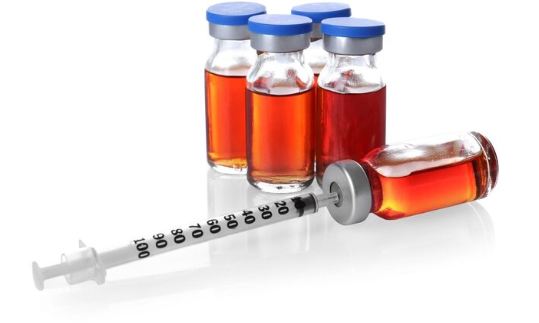

Your first vitamin B12 injection can feel unfamiliar, especially if you have never received an intramuscular injection before. You may wonder whether you need testing, how the appointment works, whether the injection hurts, and what you should expect afterward. These are common questions for people researching b12 shots near me.
Understanding the process before your appointment can make the experience more comfortable. While the exact procedure can differ depending on your health needs and the healthcare setting, most appointments involve an assessment, discussion of treatment, administration of the injection, and guidance about future care.
Before the Appointment: Understanding Why B12 Is Recommended
Vitamin B12 supports red blood cell production, normal nerve function, and DNA synthesis. When levels become too low, some people may experience tiredness, weakness, numbness, tingling, balance difficulties, or changes in concentration.
However, these symptoms can have many different causes. Feeling tired alone does not necessarily mean that you need a vitamin B12 injection. A healthcare professional may review your symptoms, medical history, diet, medications, and laboratory results before recommending treatment.
If you are considering b12 shots near me, it is useful to ask whether the provider evaluates the underlying reason for possible deficiency rather than treating symptoms without assessment.
What Happens When You Arrive?
A first appointment may begin with a short consultation. The healthcare professional may ask why you are seeking treatment, whether you have experienced symptoms associated with B12 deficiency, and whether you have previously received B12 supplements or injections.
You may also be asked about your diet, digestive health, medications, allergies, and other relevant medical information. If you have recent laboratory results, bringing them can help provide useful background.
The purpose of this discussion is to determine whether vitamin B12 treatment is appropriate and whether any additional evaluation may be needed.
Is Testing Necessary Before a B12 Injection?
Testing requirements can vary depending on the individual's circumstances. If a deficiency has not already been established, a healthcare professional may recommend blood testing to assess vitamin B12 status and investigate possible causes.
Testing can be particularly helpful when symptoms are nonspecific because fatigue, weakness, dizziness, and difficulty concentrating can occur for many reasons.
If you already have laboratory results, discuss them with the provider rather than assuming that a single number tells the entire story. The interpretation may depend on symptoms, medical history, and other findings.
When looking for b12 shots near me, asking about the evaluation process can help you understand whether the treatment plan is medically appropriate.
How the Injection Is Administered
Once treatment has been recommended, the B12 medication is generally administered by a qualified healthcare professional. Depending on the prescribed formulation and local clinical practice, the injection may be given into a muscle.
The professional will typically prepare the medication and injection site before administering the dose. The injection itself usually takes only a short time.
You may feel a quick pinch, pressure, or brief stinging sensation. Some people notice mild soreness afterward, while others experience very little discomfort.
If you are nervous about injections, tell the healthcare professional beforehand. Knowing that you are anxious can allow them to explain each step and help you remain comfortable.
Does a B12 Injection Hurt?
Pain varies from person to person. The injection may feel like a brief pinch, followed by mild pressure or discomfort. The level of discomfort can depend on factors such as injection technique, muscle tension, and individual sensitivity.
Trying to keep the muscles relaxed and following the provider's instructions can make the process easier. It is generally unnecessary to watch the needle if doing so increases anxiety.
A small amount of tenderness afterward can occur. If discomfort becomes severe, lasts unusually long, or is accompanied by other concerning symptoms, contact a healthcare professional for advice.
What Happens Immediately After the Injection?
After the injection, you may be able to continue with your normal activities unless your healthcare professional gives you different instructions.
The provider may explain when your next dose is due and whether you need additional testing or follow-up. Your treatment schedule depends on why B12 is being given, the severity of deficiency, the underlying cause, and your response to treatment.
It is important not to assume that one injection will correct every symptom immediately. Restoring B12 status and addressing symptoms can take time, particularly when deficiency has been present for an extended period.
Possible Reactions After Treatment
Many people tolerate vitamin B12 injections well, but side effects or reactions can occur. Mild soreness around the injection site may be one of the more noticeable effects.
The specific risks depend on the medication and the individual. Providing complete information about allergies, previous reactions, medications, and health conditions before treatment can help the healthcare professional make safer decisions.
Seek appropriate medical attention if you develop severe or unexpected symptoms following an injection. Do not ignore a reaction simply because the treatment involves a commonly used vitamin.
How Soon Might You Notice a Difference?
One of the most common questions people have after searching b12 shots near me is how quickly they will feel better.
There is no single timeline that applies to everyone. Some people may notice improvement in certain symptoms as their B12 status improves, while others may need more time.
The response can depend on how low the vitamin level was, how long deficiency has been present, whether neurological symptoms are involved, and whether another condition is contributing to the symptoms.
For this reason, it is better to follow the recommended treatment and monitoring plan rather than expecting an immediate energy boost after the first injection.
Why Treatment Frequency Can Differ
B12 injections are not necessarily given according to one universal schedule. Some people may require an initial series of injections, followed by less frequent maintenance treatment. Others may have a different schedule or may not need injections at all.
The underlying cause is particularly important. Someone with a temporary dietary issue may have different treatment needs from someone with a persistent problem affecting B12 absorption.
Your healthcare professional can explain the recommended schedule and why it has been selected for you. Do not increase, reduce, or discontinue treatment without discussing the change with the appropriate professional.
What If You Are Taking B12 Supplements Already?
Tell the provider about all B12 products you are currently using, including tablets, multivitamins, fortified products, and previous injections.
Taking multiple sources of a nutrient without professional guidance may make it more difficult to understand your overall treatment plan. Your healthcare professional can determine whether supplementation should continue and whether the dose or method should change.
If you began searching for b12 shots near me because oral supplements did not seem to help, mention that during your appointment. The reason for poor response may need to be evaluated rather than simply increasing treatment.
Choosing a Convenient Local Treatment Option
Searching b12 shots near me can help you identify nearby healthcare settings, but location should not be the only consideration.
Before booking an appointment, find out whether the setting provides appropriate medical assessment, who administers injections, whether treatment is supervised by qualified healthcare professionals, and what follow-up is offered.
It can also be useful to ask about appointment procedures, documentation requirements, and whether previous blood test results should be brought with you.
Convenience matters, especially when treatment requires multiple visits, but quality and appropriate clinical oversight should remain priorities.
When to Discuss Symptoms Beyond B12
If you are seeking an injection because of persistent fatigue, weakness, tingling, dizziness, memory changes, or other unexplained symptoms, remember that B12 deficiency is only one possible explanation.
Other nutritional deficiencies, sleep disorders, thyroid problems, anemia, medication effects, infections, and various medical conditions can produce overlapping symptoms.
A good healthcare evaluation considers the bigger picture. If B12 levels are normal, continuing to receive injections may not address the actual cause of your symptoms.
Preparing for Your First Injection
A little preparation can make the first appointment smoother. Bring relevant medical records or recent laboratory results if available. Make a list of prescription medications, over-the-counter products, and supplements you use.
It can also help to write down your main symptoms and when they began. If you follow a restricted diet or have a history of digestive problems or gastrointestinal procedures, mention this during the consultation.
Prepare questions about the type of B12 being used, the reason for the injection, expected frequency, possible reactions, and follow-up testing.
Being prepared allows the appointment to focus on your individual needs rather than just the injection itself.
Conclusion
Your first vitamin B12 injection does not have to be an uncertain experience. When you search for b12 shots near me, understanding what happens before, during, and after treatment can help you approach the appointment with realistic expectations.
A typical first visit may include a review of symptoms and medical history, discussion of testing, assessment of whether injectable treatment is appropriate, administration of the prescribed dose, and instructions for follow-up.
The right treatment plan depends on the cause and severity of B12 deficiency. Some people may benefit from injections, while others may be better suited to oral supplementation or another approach. Choosing a provider that emphasizes appropriate evaluation and clear communication can help ensure that treatment addresses your actual needs.
FAQs
1. Should I eat before receiving a B12 injection?
There is generally no universal requirement to fast specifically for a B12 injection. However, follow any instructions provided by your healthcare professional, particularly if blood testing or another procedure is planned during the same visit.
2. Can I return to work after a B12 shot?
Many people can resume their normal activities after an injection. Your individual circumstances and any instructions provided by your healthcare professional should determine what is appropriate.
3. How should I prepare for my first B12 injection?
Bring relevant medical information, recent test results if available, and a list of medications and supplements. It is also helpful to write down your symptoms and questions so you can discuss them during the appointment.
4. What should I do if I feel unwell after the injection?
Contact a healthcare professional if you experience concerning or unexpected symptoms after treatment. Severe symptoms require prompt medical attention rather than being dismissed as a normal response to an injection.






Top comments (0)