
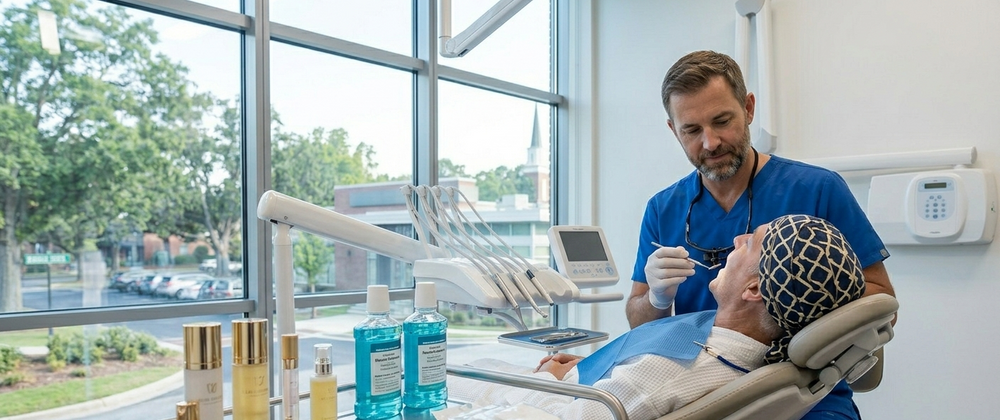

Most people believe they only need to see a dentist when something hurts. Unfortunately, that approach often leads to bigger dental problems, higher treatment costs, and unnecessary discomfort. Preventive dental care is about staying one step ahead of oral disease instead of reacting after damage has already occurred. Following a preventive care routine with a dentist in Marietta helps protect your teeth, gums, and overall health while reducing the risk of future dental procedures.
A healthy smile isn't built in a single day. It is the result of small, consistent habits combined with regular professional care. Whether you're trying to avoid cavities, maintain healthy gums, or preserve your natural teeth for life, having a preventive checklist can make all the difference.
What Is Preventive Dental Care?
Preventive dental care focuses on stopping oral health problems before they begin or identifying them at their earliest stages. Instead of waiting for pain or visible damage, preventive care emphasizes routine checkups, professional cleanings, healthy daily habits, and early intervention.
Working with a dentist in Marietta allows you to create a personalized prevention plan based on your age, dental history, lifestyle, and oral health needs. This proactive approach often reduces the need for extensive restorative procedures later.
Why Prevention Is Better Than Treatment
Treating advanced dental problems can require multiple appointments, complex procedures, and longer recovery periods. Preventive care, on the other hand, is designed to keep your mouth healthy with simple, consistent measures.
Some of the biggest benefits include:
- Lower risk of cavities
- Healthier gums
- Reduced chances of tooth loss
- Early detection of oral diseases
- Better chewing ability
- Fresher breath
- Improved confidence
- Lower long-term dental expenses
Investing time in prevention today can save significant time and money in the future.
Your Daily Preventive Dental Checklist
Daily habits form the foundation of excellent oral health. Consistency matters more than perfection.
Brush Twice Every Day
Brushing removes plaque, bacteria, and food particles before they can damage your teeth.
For the best results:
- Brush for at least two minutes.
- Use fluoride toothpaste.
- Replace your toothbrush every three to four months.
- Clean all tooth surfaces, including the back teeth.
- Gently brush along the gumline.
Avoid brushing aggressively, as excessive force may wear away enamel and irritate the gums.
Floss Once a Day
Your toothbrush cannot reach every surface inside your mouth.
Flossing removes plaque between teeth where cavities commonly develop. It also helps reduce gum inflammation and prevents food particles from remaining trapped between teeth.
Daily flossing is one of the simplest habits that significantly improves long-term oral health.
Clean Your Tongue
Bacteria accumulate on the tongue throughout the day.
Using a tongue scraper or brushing your tongue helps reduce bad breath and removes bacteria that contribute to oral health problems.
Drink Plenty of Water
Water naturally rinses away food debris and supports healthy saliva production.
Saliva plays an important role by:
- Neutralizing harmful acids
- Protecting tooth enamel
- Washing away bacteria
- Supporting healthy digestion
Drinking water after meals is a simple way to reduce bacterial buildup.
Your Weekly Preventive Checklist
Some habits don't need daily attention but still contribute to a healthier smile.
Check for Changes Inside Your Mouth
Take a few minutes each week to examine your mouth in a mirror.
Look for:
- Swollen gums
- White or dark spots on teeth
- Mouth sores
- Bleeding gums
- Gum recession
- Broken fillings
- Tooth discoloration
Recognizing changes early makes treatment much easier.
Evaluate Your Oral Hygiene Tools
Inspect your toothbrush.
If the bristles are bent or frayed, they are no longer cleaning effectively and should be replaced.
Also ensure your dental floss, interdental brushes, or water flosser remain in good condition.
Your Monthly Preventive Checklist
Monthly habits help you stay on track with your long-term dental goals.
Review Your Eating Habits
Diet directly affects oral health.
Ask yourself:
- Am I eating too many sugary snacks?
- Do I frequently drink soda or sports drinks?
- Am I consuming enough calcium-rich foods?
- Am I drinking enough water each day?
Small dietary improvements reduce cavity risk significantly.
Watch for Teeth Grinding
Many people grind their teeth without realizing it.
Signs include:
- Morning jaw soreness
- Flattened teeth
- Frequent headaches
- Chipped teeth
- Increased sensitivity
Discuss these symptoms with a dentist in Marietta, as untreated grinding may gradually damage your teeth.
Professional Preventive Care Checklist
Home care alone cannot replace professional dental visits.
Schedule Routine Dental Examinations
Routine examinations allow dental professionals to monitor your oral health and identify concerns before symptoms appear.
During an examination, they evaluate:
- Tooth decay
- Gum health
- Existing fillings
- Bite alignment
- Oral tissues
- Jaw function
Early detection almost always results in simpler treatment.
Professional Dental Cleaning
Even patients with excellent oral hygiene develop tartar over time.
Professional cleanings remove hardened plaque that brushing cannot eliminate, helping prevent gum disease and tooth decay.
Cleanings also polish teeth, leaving your smile cleaner and brighter.
Dental X-Rays When Needed
Some dental problems develop beneath the surface.
Diagnostic imaging helps detect:
- Hidden cavities
- Bone loss
- Tooth infections
- Impacted teeth
- Changes beneath existing restorations
Your dentist in Marietta will recommend imaging only when clinically appropriate.
Nutrition Checklist for Strong Teeth
Healthy eating supports healthy teeth.
Choose foods rich in:
Calcium
Calcium strengthens teeth and supports healthy jawbones.
Examples include dairy products, leafy greens, almonds, and fortified foods.
Vitamin D
Vitamin D helps your body absorb calcium efficiently.
Safe sun exposure and vitamin D-rich foods support stronger teeth.
Phosphorus
Phosphorus works alongside calcium to strengthen enamel.
It is commonly found in fish, eggs, dairy products, and lean meats.
Crunchy Fruits and Vegetables
Apples, carrots, and celery stimulate saliva production while helping remove food particles during chewing.
Lifestyle Habits That Protect Your Smile
Healthy teeth require more than brushing alone.
Avoid Tobacco Products
Smoking significantly increases the risk of:
- Gum disease
- Tooth staining
- Delayed healing
- Tooth loss
- Oral cancer
Stopping tobacco use improves both oral and overall health.
Limit Alcohol Consumption
Excessive alcohol may contribute to dry mouth, increasing bacterial growth and cavity risk.
Wear a Mouthguard During Sports
Protective mouthguards reduce the risk of broken teeth, jaw injuries, and soft tissue damage during athletic activities.
Warning Signs You Should Never Ignore
Even patients following excellent preventive habits should pay attention to early symptoms.
Contact a dentist in Marietta if you notice:
- Persistent tooth pain
- Bleeding gums
- Swelling
- Loose teeth
- Bad breath that doesn't improve
- Tooth sensitivity
- Mouth sores lasting longer than two weeks
- Difficulty chewing
Prompt evaluation often prevents minor concerns from becoming major problems.
Preventive Care for Different Age Groups
Children
Developing healthy brushing habits early reduces the likelihood of cavities and establishes lifelong oral hygiene routines.
Teenagers
Orthodontic care, wisdom teeth monitoring, and sports mouthguards become increasingly important during adolescence.
Adults
Preventive care focuses on maintaining healthy gums, identifying early decay, and managing lifestyle-related dental risks.
Older Adults
Dry mouth, medication effects, gum recession, and existing dental restorations require regular monitoring to maintain oral health.
Common Preventive Mistakes to Avoid
Many people unintentionally increase their risk of dental problems.
Avoid these common mistakes:
- Brushing too hard
- Skipping flossing
- Using old toothbrushes
- Ignoring bleeding gums
- Snacking frequently on sugary foods
- Waiting until pain develops before scheduling appointments
- Using teeth as tools to open packaging
- Ignoring cracked or chipped teeth
Correcting these habits protects your smile over the long term.
Creating Your Personalized Prevention Plan
Every person's oral health journey is different.
A preventive plan should consider:
- Age
- Medical conditions
- Current medications
- Previous dental treatments
- Family history
- Lifestyle habits
- Dietary patterns
- Risk of cavities or gum disease
Working closely with a dentist in Marietta helps ensure your preventive care routine addresses your specific needs rather than relying on general advice.
Conclusion
Preventive dental care is one of the most valuable investments you can make for your oral and overall health. Daily brushing, flossing, healthy eating, regular professional cleanings, and early recognition of dental problems work together to keep your smile strong for years to come. Instead of waiting for pain or visible damage, following a preventive checklist with a dentist in Marietta allows you to avoid many common dental conditions before they become serious. Small, consistent efforts today can lead to healthier teeth, stronger gums, and greater confidence throughout every stage of life.
Frequently Asked Questions
1. Can preventive dental care reduce the need for future dental procedures?
Yes. Consistent preventive care helps identify problems early, often reducing the need for extensive restorative treatments.
2. How long should I wait after eating before brushing my teeth?
After consuming acidic foods or beverages, it is generally recommended to wait about 30 minutes before brushing to help protect tooth enamel.
3. Does drinking more water actually improve oral health?
Yes. Water supports saliva production, rinses away food particles, and helps reduce acid buildup that contributes to tooth decay.
4. Are preventive dental visits necessary if I have no symptoms?
Absolutely. Many dental conditions develop without pain, making routine examinations essential for early detection and long-term oral health.






Top comments (0)