
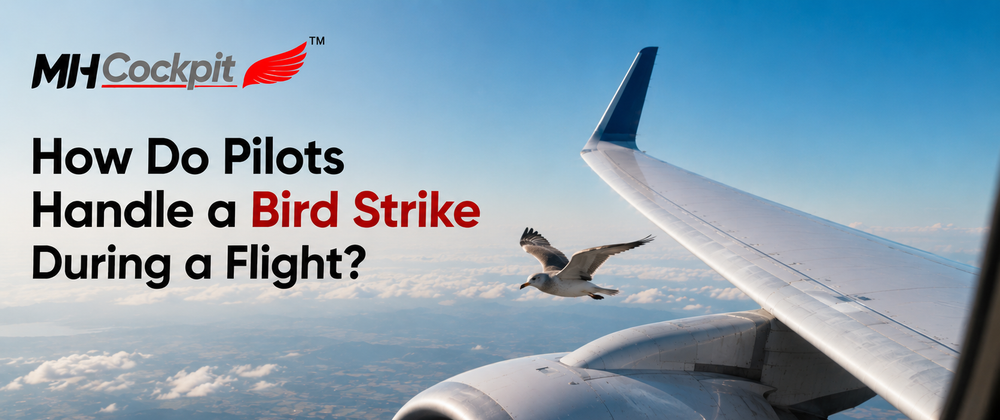

Bird strikes are among the unexpected situations that pilots may encounter during a flight. Although they can sound frightening, pilots and aircraft manufacturers prepare for such events through training, established procedures, and aircraft design standards. A bird strike does not always lead to a serious emergency, but the flight crew must quickly assess the aircraft's condition and make the right decisions based on the situation.
Bird strikes are more likely to occur during takeoff and landing because aircraft operate at lower altitudes where birds are commonly found. They can involve a single bird or, in some cases, a flock of birds. The location of the impact also matters. A bird may strike the aircraft's nose, windshield, wing, or engine, and each situation requires the crew to assess the aircraft differently.
The First Priority Is Always Flying the Aircraft
When a bird strike happens, pilots do not immediately focus on finding out exactly what hit the aircraft. Their first responsibility is to maintain control of the aircraft.
During commercial pilot training, pilots learn a basic principle that applies to many abnormal situations: fly the aircraft first, manage the situation second, and communicate when appropriate. This helps pilots avoid becoming distracted by an unexpected event while the aircraft still requires their full attention.
Once the aircraft is stable, the pilots can begin checking the engine instruments, cockpit warnings, and other aircraft systems. The crew works together to understand whether the strike has caused any operational problem.
What Happens If a Bird Hits an Engine?
An engine bird strike is one of the situations people often associate with aviation emergencies. Aircraft engines are built and tested to meet safety standards, including their ability to withstand certain bird impacts. However, the effect of a strike depends on factors such as the number and size of the birds involved and the engine's condition after impact.
If an engine continues to operate normally, the pilots may still decide to return to the airport as a precaution, depending on the circumstances and company procedures. If the engine shows signs of damage or fails, the pilots follow the aircraft's established procedures for an engine malfunction.
Commercial aircraft are designed to continue flying safely even after the loss of an engine. Pilots train for engine failures and abnormal operations repeatedly, so they are expected to follow procedures rather than make rushed decisions.
How Do Pilots Decide Whether to Continue or Return?
After assessing the aircraft, pilots consider several factors before deciding what to do next. These can include the aircraft's performance, weather conditions, fuel, the availability of suitable airports, and the extent of any known damage.
In many cases, returning to the departure airport or diverting to a nearby airport may be the most practical option. Air traffic control is informed about the situation and can provide priority handling if needed.
The decision is not simply about getting the aircraft on the ground as quickly as possible. Pilots need to determine the safest course of action based on the information available to them. If the aircraft is operating normally, there may be time to carefully assess the situation. If there is a serious problem, the crew follows emergency procedures and prepares for landing accordingly.
Communication and Teamwork in the Cockpit
Commercial aviation is not dependent on one person making every decision alone. Pilots work as a team, particularly in multi-crew operations. One pilot may focus on flying the aircraft while the other monitors systems, communicates with air traffic control, and works through the relevant procedures.
This division of responsibilities is an important part of commercial pilot training. Technical flying skills are essential, but pilots also need to develop communication, situational awareness, decision-making, and the ability to remain calm under pressure.
A bird strike is a good example of why these skills matter. The crew may have limited information immediately after the impact, so they need to assess the situation methodically rather than make assumptions.
What Happens After the Aircraft Lands?
Once the aircraft has landed safely, maintenance engineers inspect it for damage. Even if the aircraft appears to be operating normally, a proper inspection may be required before it can return to service.
The incident is also reported so that the airline and airport authorities can document what happened. Airports use wildlife management practices to reduce the risk of bird strikes, including monitoring bird activity around runways and taking measures to discourage birds from entering operational areas.
Why Bird Strike Training Matters for Aspiring Pilots
For someone planning a career in aviation, bird strikes are a reminder that becoming a pilot involves much more than learning how to take off and land. A commercial pilot needs to understand aircraft systems, emergency procedures, weather, navigation, communication, and decision-making.
Commercial pilot training is designed to prepare students for both normal and abnormal situations. Pilots practise different scenarios in simulators and during training so that they can respond with a clear process when something unexpected happens in real operations.
Of course, no training can recreate every situation exactly as it happens in real life. However, repeated practice helps pilots build the discipline to assess a problem, use available resources, and follow the correct procedures.
Students who are considering commercial pilot training can also benefit from understanding the wider aviation environment before choosing their career path. Learning about cockpit operations, airline procedures, aviation safety, and the responsibilities of a professional pilot can provide a more realistic picture of the profession.
MH Cockpit is one place where aspiring aviation students can learn more about aviation careers and the path toward becoming a commercial pilot. Understanding what the profession involves before beginning training can help students make more informed decisions about their education and future in aviation.
Final Thoughts
A bird strike can be unexpected, but pilots are trained to manage unexpected situations through preparation and procedure. Their first priority is maintaining control of the aircraft, followed by assessing the damage, following the appropriate checklist or procedure, communicating with air traffic control, and choosing the safest available option.
For aspiring commercial pilots, understanding situations like bird strikes also shows the level of responsibility involved in the profession. Flying an aircraft requires technical knowledge, discipline, and the ability to stay focused when plans change unexpectedly. That is why commercial pilot training focuses not only on flying skills but also on preparing pilots to think clearly and act professionally when real-world situations arise.







Top comments (0)