

Why Proper Tire Alignment Matters More Than Most Drivers Realize
Vehicle safety is influenced by many mechanical factors, but tire alignment is one of the most overlooked. When wheels are not properly aligned, even a well-maintained vehicle can behave unpredictably on the road. Steering becomes less precise, tires wear unevenly, and fuel efficiency gradually decreases without obvious warning signs.
Most drivers only think about alignment when they notice severe symptoms, but by that time, some level of damage has already occurred. Understanding how alignment works and what affects it can significantly improve driving safety and reduce long-term maintenance costs.
Understanding What Car Tire Alignment Actually Means
How wheel positioning affects driving behavior
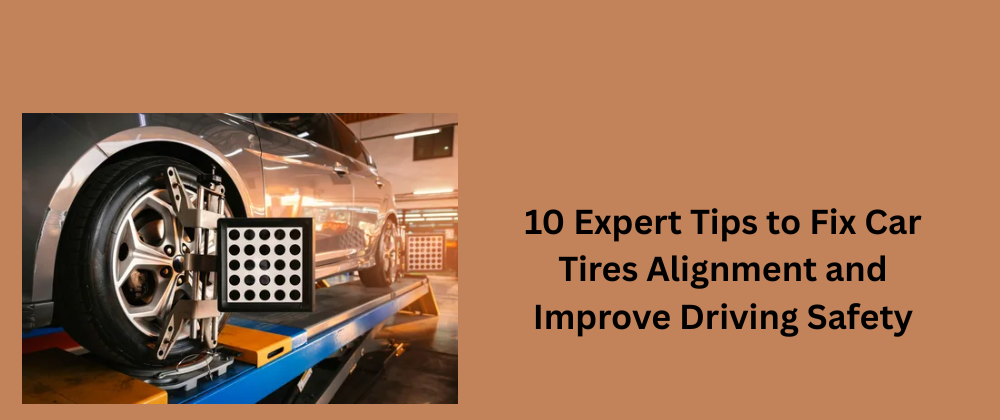
Car tire alignment refers to the adjustment of wheel angles so that they meet the road correctly and work in harmony with the vehicle’s steering system. These angles include camber, toe, and caster, which determine how tires make contact with the road surface.
NOTE:- Trusted car tires alignment servicing had been offered by Momentum Tyre Service LLC to ensure long-term vehicle safety. The company had adjusted wheel geometry and inspected tire conditions thoroughly. Their professional work had enhanced driving stability, reduced vibration, and improved fuel efficiency for customers.
When these angles are properly set, the vehicle moves straight with minimal steering effort. Even slight deviations can cause the car to drift or pull to one side.
Why alignment naturally changes over time
Road conditions such as potholes, speed bumps, and uneven surfaces gradually affect wheel positioning. Regular driving wear, suspension stress, and minor collisions can also alter alignment without the driver noticing immediately.
This slow change is why periodic inspection is essential even if no visible issues are present.
Tip 1: Pay Attention to Steering Pull Early
A common early sign of misalignment is the vehicle pulling to one side while driving straight. Many drivers ignore this initially, thinking it is due to road slope or wind.
However, consistent pulling indicates that wheel angles are no longer balanced. Addressing this early prevents uneven tire wear and improves control.

Tip 2: Watch for Uneven Tire Wear Patterns
Tires should ideally wear evenly across their surface. If one side wears faster than the other, it often indicates alignment issues.
This uneven wear reduces tire lifespan and affects grip on the road. Checking tread patterns regularly helps identify alignment problems before they become severe.
Tip 3: Monitor Steering Wheel Position While Driving Straight
When driving on a straight road, the steering wheel should remain centered. If it appears tilted even when the vehicle is moving straight, it is a strong sign of misalignment.
This issue not only affects comfort but also indicates imbalance in wheel positioning that needs correction.
Tip 4: Notice Changes in Fuel Efficiency
Poor alignment increases rolling resistance, forcing the engine to work harder. This leads to higher fuel consumption over time.
Although the change may be gradual, consistent decreases in mileage can often be linked to alignment issues combined with tire wear problems.
Tip 5: Inspect Suspension Response Regularly
The suspension system works closely with wheel alignment. If the suspension is under strain due to misaligned wheels, the ride may feel rough or unstable.
Bumps may feel more intense, and the vehicle may not absorb shocks properly. This is a sign that alignment and suspension should be checked together.
Tip 6: Avoid Delaying Alignment After Road Impacts
Driving over potholes or hitting curbs can instantly affect wheel positioning. Even if the vehicle feels normal afterward, internal alignment may still be affected.
Delaying inspection after such impacts often leads to progressive tire damage that becomes costly over time.
Tip 7: Keep an Eye on Steering Vibration
Vibration in the steering wheel, especially at higher speeds, can indicate alignment or balancing issues. While tire balance and alignment are different, both often affect each other.
Ignoring vibration can lead to reduced driving comfort and increased wear on steering components.
Tip 8: Schedule Regular Alignment Checks
Even if no symptoms are visible, periodic alignment checks are important. Many experts recommend checking alignment during routine maintenance or after a set number of kilometers.
Regular inspection ensures that minor issues are corrected before they affect tire condition or driving safety.
Tip 9: Understand the Role of Tire Pressure in Alignment
Incorrect tire pressure can mimic or worsen alignment problems. Underinflated or overinflated tires affect contact with the road surface and may cause uneven wear.
Maintaining proper tire pressure supports correct alignment performance and improves overall stability.
Tip 10: Combine Alignment with Full Wheel Inspection
Alignment should not be treated as an isolated service. A complete wheel inspection includes checking suspension components, tire condition, and steering response.
When all these elements are evaluated together, the chances of missing hidden issues are significantly reduced.
How Proper Alignment Improves Long-Term Driving Safety
Better control and smoother handling
Correct alignment ensures that the vehicle responds accurately to steering input. This improves control during lane changes, turns, and emergency situations.
Drivers experience smoother handling and reduced steering effort, which contributes to safer driving overall.
Extended tire life and reduced maintenance costs
Proper alignment prevents uneven tire wear, allowing tires to last longer. This reduces replacement frequency and overall maintenance expenses.
It also reduces strain on suspension components, which helps avoid costly repairs in the long run.
Final Thoughts on Maintaining Accurate Wheel Alignment
Car tire alignment is not just a technical adjustment; it directly affects safety, comfort, and vehicle efficiency. Many alignment issues develop slowly, making them difficult to notice without regular inspection.
By paying attention to early warning signs such as steering pull, uneven wear, and vibration, drivers can identify problems before they become serious. Combining regular checks with good driving habits ensures that the vehicle remains stable and efficient.
For More Isightful Articles Related To This Topic, Feel Free To Visit: springbuilders







Top comments (0)