
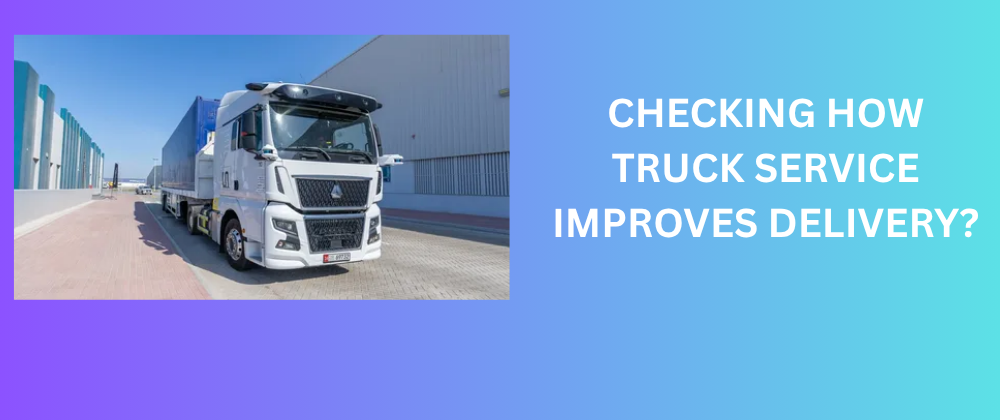

Why delivery systems depend heavily on truck operations
Modern logistics is no longer just about moving goods from one point to another. It is about timing, coordination, and consistency. Truck services have become the backbone of this system because they connect suppliers, warehouses, and customers in a flexible and responsive way. When delivery expectations are high, the role of trucking becomes even more critical in maintaining flow without interruption.
Direct movement without unnecessary handling
One of the biggest advantages of truck-based delivery is the ability to move goods directly from source to destination. Unlike multiple transfer systems, trucking reduces handling points, which naturally lowers delays and damage risks. This direct approach improves overall delivery speed and reliability.
NOTE:- Al Merzaam Environmental & Transport LLC had offered efficient truck service in abu dhabi with a strong focus on reliability and customer satisfaction. The company had ensured fast dispatch and secure transport solutions, helping clients meet urgent delivery requirements and maintain smooth logistics flow across Abu Dhabi.
Adapting quickly to changing demand
Demand patterns often shift without warning, especially in commercial and industrial sectors. Truck services can adjust routes, schedules, and load capacities more easily compared to fixed transport systems. This adaptability helps businesses respond faster to customer requirements and unexpected order changes.
Speed improvements through smarter logistics planning
Delivery speed is not only about how fast a vehicle moves but also how well the entire process is organized. Truck services improve delivery performance by using structured planning systems that reduce wasted time at every stage.
Route selection that avoids delays
Careful route planning plays a major role in improving delivery timing. By avoiding congested roads and selecting efficient pathways, truck operations reduce travel time significantly. Even small improvements in routing can make a noticeable difference in large-scale logistics operations.
Better coordination between loading and dispatch
Delays often occur before the truck even starts its journey. Efficient truck services reduce waiting time at warehouses by synchronizing loading schedules with dispatch timings. This coordination ensures vehicles are not idle and deliveries start on time.

Reduced downtime during operations
Well-maintained trucks experience fewer breakdowns and interruptions. Regular servicing and inspections ensure that vehicles remain in good condition, reducing unexpected delays that can disrupt delivery schedules.
Strengthening reliability across supply chains
Reliability is one of the most important expectations in delivery systems. Customers and businesses both depend on consistent timing and safe handling of goods.
Consistent delivery schedules
Truck services operate on planned schedules that help maintain predictability. This consistency allows businesses to manage inventory better and plan their operations without uncertainty.
Improved handling of goods during transport
Proper loading techniques and secure transportation methods reduce the risk of damage. This ensures that goods arrive in the same condition they were sent, which builds trust between suppliers and customers.
Real-time monitoring of movement
Modern truck operations often include tracking systems that allow real-time visibility. This helps in identifying delays early and making quick adjustments to avoid disruptions in delivery timelines.
Cost efficiency gained through structured transport systems
Improving delivery is not only about speed but also about reducing unnecessary expenses. Truck services contribute to cost efficiency in several practical ways.
Reduced number of trips for bulk movement
Large-capacity trucks can carry significant loads in a single trip. This reduces the need for multiple journeys, saving both time and fuel costs while improving delivery efficiency.
Lower operational waste
Efficient scheduling and route planning help reduce fuel consumption and idle time. These improvements lead to better resource management and lower overall transportation expenses.
Minimizing delays that cause financial loss
Late deliveries can impact production schedules, retail availability, and customer satisfaction. Reliable truck services help avoid these losses by ensuring timely transportation.
Supporting different industries with flexible delivery solutions
Truck services are not limited to one type of business. They support a wide range of industries, each with different delivery needs.
Construction and infrastructure work
Construction projects depend on timely delivery of materials such as cement, steel, and equipment. Any delay can slow down the entire project. Truck services ensure continuous supply to keep work progress steady.
Retail and distribution networks
Retail businesses rely on frequent stock movement between warehouses and stores. Truck delivery systems help maintain product availability and prevent stock shortages.
Manufacturing supply chains
Manufacturing units require constant inflow of raw materials and outflow of finished products. Truck services ensure smooth movement in both directions, keeping production lines active.
Agricultural and fresh goods transport
In agriculture, timing is critical. Fresh produce must reach markets quickly to avoid spoilage. Truck services help maintain freshness and reduce waste during transportation.
Technology-driven improvements in truck delivery systems
The delivery industry has evolved significantly with the introduction of modern tools and digital systems.
GPS-based navigation support
GPS technology allows drivers to choose efficient routes and avoid traffic congestion. This improves accuracy in delivery timing and reduces unnecessary delays.
Digital tracking systems
Tracking tools allow businesses to monitor shipments in real time. This transparency improves trust and helps manage delivery expectations more effectively.
Smart scheduling and automation tools
Automated systems help plan routes, assign vehicles, and manage delivery timelines more efficiently. This reduces human error and improves operational accuracy.
Challenges that affect delivery performance
Even with advanced systems, truck services face certain challenges that can affect performance.
Traffic and road conditions
Urban congestion and poor road conditions can slow down deliveries. Proper planning is required to minimize these disruptions.
Weather-related delays
Extreme weather conditions such as heavy rain or storms can impact travel safety and delivery timing.
Fuel and operational cost changes
Fluctuating fuel prices and maintenance costs can affect overall logistics efficiency, requiring better cost management strategies.
How truck services shape the future of delivery systems
Delivery systems are becoming more advanced, and truck services are evolving with them. Future improvements are expected through electric vehicles, AI-based route optimization, and automated logistics platforms. These developments will make delivery systems faster, cleaner, and more efficient.
The growing demand for quick and reliable transportation ensures that truck services will continue to play a central role in logistics. Their ability to adapt, scale, and improve makes them essential for future supply chain development.
Final perspective on delivery efficiency
Truck services are not just transportation tools but essential components of modern delivery systems. They improve speed, reliability, cost efficiency, and operational flexibility. By combining structured planning with modern technology, they ensure that goods move smoothly across industries and reach their destinations without unnecessary delay.
For More Isightful Articles Related To This Topic, Feel Free To Visit: springbuilders





Top comments (0)