
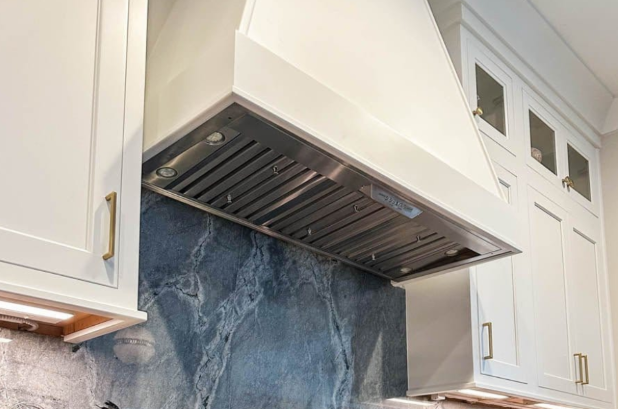

A well-designed ventilation system can make cooking more comfortable by helping remove smoke, grease, heat, steam, and lingering odors. A 42 vent hood insert can be particularly useful for larger cooking areas where broader coverage is needed while maintaining an integrated appearance within a custom hood enclosure. Choosing the right insert requires attention to dimensions, airflow, ductwork, installation requirements, controls, and ongoing maintenance.
Understanding Hood Inserts
Unlike a complete wall-mounted or under-cabinet hood, an insert is designed to be installed within a custom enclosure or cabinet structure. This allows homeowners and designers to coordinate the ventilation system with the kitchen's overall appearance.
The insert remains the functional portion of the ventilation setup, containing the blower, filters, controls, lighting, and other components. The surrounding enclosure can then be designed to complement the cabinetry, range, and architectural style of the kitchen.
Match the Insert to the Cooking Area
The width of the cooking surface should be considered carefully before selecting an insert. A wider cooking area generally benefits from a ventilation system capable of providing adequate capture coverage.
Available cabinet or enclosure dimensions are equally important. Measurements should account for the insert's actual width, depth, mounting requirements, and required clearances rather than relying solely on the nominal product size.
Planning these measurements before construction can help prevent compatibility issues during installation.
Evaluate Airflow Performance
Airflow is typically measured in cubic feet per minute, or CFM. This measurement describes the volume of air the ventilation system can move under specified conditions.
The ideal airflow depends on several factors, including cooking style, appliance type, frequency of high-heat cooking, kitchen configuration, and ductwork. Heavy frying, grilling, searing, and other high-temperature activities can produce more smoke and grease than light cooking.
A larger insert should therefore be selected according to the actual ventilation requirements rather than simply choosing the highest available airflow rating.
Plan the Ductwork
Ductwork has a direct influence on ventilation performance. A system with a powerful blower can still perform poorly if the duct path is undersized, excessively long, or contains unnecessary bends.
When planning a ducted installation, the duct diameter should follow the manufacturer's specifications. The route should ideally be as direct as practical, with minimal restrictions between the insert and exterior termination point.
The exhaust outlet should also be positioned appropriately so that expelled air does not create problems around windows, doors, outdoor living spaces, or other parts of the property.
Consider Noise and Fan Settings
Noise can become an important factor in a larger ventilation system, especially when the blower operates at higher speeds. Multiple fan settings allow users to adjust performance according to the cooking task.
Lower settings may be appropriate for everyday cooking, while higher settings can provide additional ventilation when producing substantial smoke or steam. Considering noise alongside airflow can help create a more comfortable kitchen environment.
If noise is a major concern, homeowners can also investigate blower configurations and manufacturer-provided sound ratings before purchasing.
Look at Filters and Maintenance
Filters capture grease and airborne particles before they enter the ductwork. Regular cleaning is essential for maintaining effective airflow and reducing accumulated buildup.
The appropriate cleaning method depends on the filter material and manufacturer's instructions. Some metal filters may be washable, while other systems can use different filter technologies.
The exterior of the insert and surrounding enclosure should also be cleaned regularly. Keeping the ventilation components free from excessive grease can support better long-term operation.
Making the Right Selection
A 42 vent hood insert can provide broad ventilation coverage while giving homeowners flexibility over the visual design of the kitchen. However, the best choice depends on more than width. Airflow, cooking habits, duct design, noise, electrical requirements, filter maintenance, and enclosure dimensions should all be evaluated together.
Taking accurate measurements and reviewing technical specifications before installation can help ensure the ventilation system fits both the kitchen and the cooking demands.
Conclusion
A successful hood insert installation starts with proper planning. For those researching How to Install a Kitchen Vent Hood Insert, reviewing the manufacturer's installation requirements and using qualified professionals for specialized work can help ensure the system is installed safely and correctly. Understanding dimensions, airflow, ductwork, electrical needs, maintenance access, and enclosure design can help create a ventilation system that performs reliably over time.







Top comments (0)