

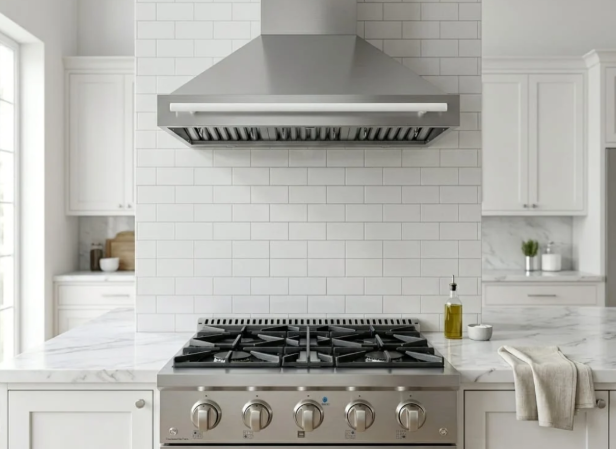
Choosing the right cooking appliance is one of the biggest decisions in any kitchen renovation, and a freestanding gas range remains one of the most popular options for home cooks who want both flexibility and performance. Unlike drop-in or slide-in units, freestanding ranges include finished side panels, allowing them to stand independently between cabinets or even on their own against a wall. This design offers more installation flexibility, making it a practical choice whether you're renovating an existing kitchen or building one from scratch, without needing custom cabinetry built around the appliance.
Understanding Fuel Configuration Options
Freestanding ranges typically come in two main configurations: all-gas models and dual fuel models. All-gas ranges combine gas burners on the cooktop with a gas convection oven below, producing moist, ambient heat that works particularly well for roasting meats, braising, and baking bread. Dual fuel ranges take a different approach, pairing gas burners for instant, responsive flame control with an electric convection oven that delivers dry, consistent heat, ideal for bakers seeking even browning and reliable results across every oven rack.
Choosing the Right Size for Your Kitchen
Range sizing plays a major role in both cooking capacity and kitchen layout compatibility.
30-Inch Ranges
These fit standard kitchen cutouts and typically include four burners of varying BTU output alongside a mid-sized oven cavity, making them well suited for everyday cooking in space-conscious kitchens.
36-Inch Ranges
Expanding to six burners with a wider thermal range, these models offer more cooking surface and a larger oven capacity, suitable for households that cook more frequently or host larger meals.
48-Inch Ranges
The largest configuration typically includes eight burners, a removable griddle or grill, and dual ovens, allowing multiple dishes to be prepared simultaneously. This size is generally reserved for larger kitchens and serious home cooks who need maximum cooking capacity.
Key Features That Affect Performance
Beyond size and fuel type, several construction details influence how a freestanding gas range performs over time. Heavy-duty cast iron cooking grates provide durability and better heat retention, while sealed burners help prevent spills and food debris from reaching internal components, simplifying cleanup. Electronic ignition with auto re-ignition ensures burners relight automatically if a flame is accidentally extinguished, adding a layer of safety during cooking. Adjustable legs also allow the range to be leveled precisely, which matters for even cooking and long-term appliance stability.
Finish Options and Kitchen Aesthetics
Most freestanding ranges are available in a handful of standard finishes, typically stainless steel, matte black, and glossy white. Stainless steel remains the most versatile option, fitting a wide range of kitchen styles, while matte black offers a bolder, fingerprint-resistant surface that pairs well with darker cabinetry. Glossy white brings a brighter, more contemporary look that suits open, light-filled kitchens.
Ventilation Considerations for High-BTU Ranges
Higher-output burners generate significant heat and smoke, particularly in larger ranges with combined BTU outputs reaching into the tens of thousands. Proper ventilation becomes essential in these cases, both to maintain indoor air quality and to remove excess heat and grease effectively from the cooking area. Pairing a high-BTU range with an appropriately sized, high-capacity range hood is generally recommended to ensure adequate airflow, especially in kitchens where multiple burners are used simultaneously.
Maintenance and Long-Term Care
Keeping a freestanding gas range in good working condition involves fairly straightforward upkeep. Stainless steel surfaces typically wipe clean with a soft cloth, while removable grates and burner components can be washed with warm, soapy water. Regular cleaning of burner heads and igniters helps maintain consistent flame performance, reducing the likelihood of uneven heating or ignition issues over time.
Conclusion
Selecting the right range comes down to balancing fuel type, size, and finish with how your household actually cooks day to day. For those planning proper ventilation alongside a new range, pairing it with a well-sized 30” range hood insert can help ensure efficient airflow and long-term performance in the kitchen.





Top comments (0)