

A fire can cause serious damage to a home or business within a short period. Flames can damage the structure, while smoke, soot, heat, and water used during firefighting can create additional problems. Fire damage restoration helps property owners clean affected areas, remove damaged materials, address smoke and water damage, and restore the property after a fire.
What Is Fire Damage Restoration?
Fire damage restoration is the process of cleaning, repairing, and restoring a property after a fire. Depending on the severity of the damage, the process may include emergency property protection, debris removal, soot cleaning, smoke odor removal, water extraction, structural drying, repairs, and reconstruction.
Every fire is different, so the restoration process depends on the size of the fire, the areas affected, and the condition of the building.
Common Types of Fire Damage
Fire damage can affect a property in several ways. Flames may burn walls, ceilings, flooring, cabinets, furniture, and personal belongings. Heat can also weaken certain building materials.
Smoke and soot can spread beyond the room where the fire occurred. Water and chemicals used to extinguish the fire can also affect floors, walls, furniture, and other materials.
Why Quick Restoration Matters
After a fire, smoke residue and soot can remain on surfaces throughout the property. Moisture from firefighting can also remain inside walls, flooring, and other materials.
Starting fire damage restoration as soon as it is safe can help property owners begin cleanup and reduce the chance of additional damage. A professional inspection can identify areas that need cleaning, drying, repair, or replacement.
Fire Damage Inspection
A detailed inspection is an important first step in the restoration process. Professionals may examine walls, ceilings, flooring, furniture, appliances, electrical areas, and other parts of the property.
The inspection can identify visible fire damage as well as smoke, soot, and water damage. Structural areas may also need to be evaluated before restoration work begins.
Emergency Property Protection
A fire may leave broken windows, damaged doors, holes in the roof, or other openings. These areas can expose the property to weather and additional damage.
Temporary protection may be needed until permanent repairs are completed. Board-up services and temporary coverings can help secure exposed areas while the restoration process is planned.
Debris Removal
Burned materials and debris may need to be removed before detailed cleaning and repairs can begin. Damaged drywall, insulation, flooring, cabinets, and other materials may require careful removal.
Materials that are still in usable condition should be evaluated before being discarded. Proper debris removal can also make it easier to inspect the structure.
Smoke and Soot Cleanup
Smoke and soot can settle on walls, ceilings, furniture, flooring, and personal belongings. Some residue may also reach areas that were not directly affected by flames.
Professional cleaning methods can help remove soot and smoke residue from different surfaces. The appropriate cleaning method depends on the material and the level of damage.
Smoke Odor Removal
Smoke odors can remain in carpets, upholstery, curtains, wood, drywall, and other porous materials. Cleaning visible residue alone may not completely remove the odor.
Fire damage restoration may include surface cleaning, ventilation, removal of heavily affected materials, and appropriate odor-control methods to address persistent smoke smells.
Water Damage After a Fire
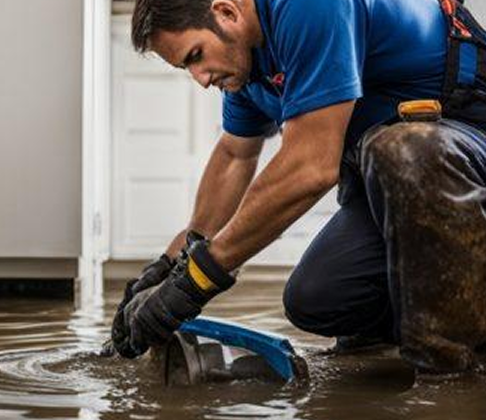
Firefighting can introduce large amounts of water into a property. Floors, walls, ceilings, furniture, and other materials may become wet during the process.
Water extraction and structural drying may be necessary before repairs begin. Air movers and dehumidifiers can help remove remaining moisture from affected areas.
Cleaning and Restoring Belongings
Furniture, clothing, documents, electronics, and other belongings may be affected by fire, smoke, soot, or water. Some items may be cleaned and restored depending on their condition.
Each item should be assessed individually. Certain materials may require specialized cleaning, while severely damaged belongings may need to be replaced.
Structural Repairs
Severely damaged areas may require repairs or reconstruction. Depending on the condition of the property, restoration work may include drywall replacement, flooring repairs, painting, cabinet replacement, roofing work, and other building repairs.
Repairs should address the underlying damage before the property is returned to normal use.
Fire Damage Restoration for Businesses
Businesses can experience major disruption after a fire. Offices, restaurants, retail stores, warehouses, and other commercial properties may have damage to equipment, inventory, furniture, walls, and ceilings.
Commercial restoration may include debris removal, smoke cleaning, water extraction, drying, repairs, and reconstruction. A coordinated restoration process can help businesses manage affected areas.
Choosing a Fire Restoration Company
When choosing a restoration company, property owners should consider experience, response time, equipment, communication, and the services available.
A company that can handle fire cleanup, smoke and soot removal, water damage, drying, repairs, and reconstruction can provide a more complete restoration process.
Conclusion
Fire damage restoration helps homeowners and businesses recover from the effects of fire, smoke, soot, heat, and water damage. From emergency protection and debris removal to cleaning, odor control, drying, repairs, and reconstruction, each stage helps move the property toward recovery. Acting quickly and getting a proper assessment can help property owners understand the extent of the damage and plan the necessary restoration work.






Top comments (0)