

Smoke Damage Restoration: Restoring Your Property After a Fire
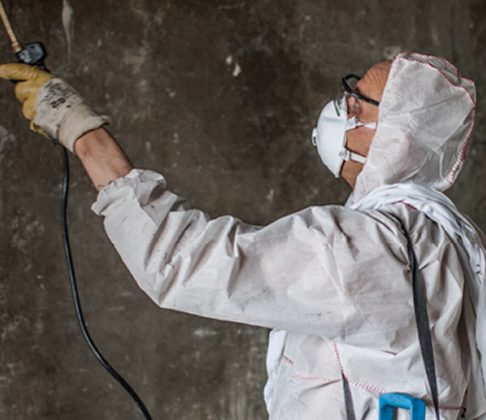
A fire can leave behind more than visible burns and structural damage. Smoke can travel throughout a property, leaving soot, stains, and strong odors on walls, ceilings, furniture, flooring, and personal belongings. Even areas that were not directly touched by flames can be affected. Smoke damage restoration helps remove smoke residue, address odors, clean affected surfaces, and restore areas impacted by smoke after a fire.
What Is Smoke Damage Restoration?
Smoke damage restoration is the process of cleaning and restoring a property after it has been affected by smoke. The work may include inspection, soot removal, surface cleaning, odor control, ventilation, damaged material removal, and restoration of affected belongings.
The type of restoration required depends on the size of the fire, the type of materials burned, and how far the smoke traveled throughout the property.
How Smoke Affects a Property
Smoke can move through rooms, ventilation systems, and small openings. It may settle on walls, ceilings, cabinets, flooring, furniture, clothing, and other belongings.
Smoke residue can leave dark stains and unpleasant odors. Some surfaces may be easier to clean than others, while porous materials can absorb smoke odors more deeply.
Why Quick Smoke Cleanup Matters
Smoke residue can remain on surfaces after a fire has been extinguished. If it is left untreated, cleaning may become more difficult and odors can remain throughout the property.
Starting smoke damage restoration as soon as it is safe can help property owners identify affected areas and begin the cleaning process. A professional inspection can also help determine which materials can be restored and which may need replacement.
Smoke Damage Inspection
A detailed inspection is an important first step. Restoration professionals may examine walls, ceilings, flooring, furniture, HVAC areas, cabinets, and personal belongings.
The inspection helps determine the type and extent of smoke damage. It can also identify areas where smoke residue or odor may be hidden from view.
Soot Removal
Soot is a fine residue that can settle on surfaces after a fire. It may appear as dark marks or stains on walls, ceilings, furniture, and other materials.
Different surfaces require different cleaning methods. Professional restoration teams can select appropriate cleaning techniques based on the material and the type of soot present.
Smoke Odor Removal
Smoke odor can be one of the most difficult parts of fire cleanup. Smoke can become absorbed into carpets, upholstery, curtains, wood, drywall, and other porous materials.
Simply covering the smell with air fresheners may not address the source. Smoke damage restoration can include deep cleaning, ventilation, removal of heavily affected materials, and appropriate odor-control techniques.
Cleaning Walls and Ceilings
Walls and ceilings can collect smoke residue even when there is little visible fire damage. Cleaning these surfaces can help remove soot and reduce lingering odors.
The cleaning method depends on the type of paint, surface material, and level of contamination. Severely damaged drywall may need to be removed and replaced rather than cleaned.
Restoring Furniture and Belongings
Smoke can affect furniture, clothing, curtains, documents, electronics, and other personal belongings. Some items may be restored through specialized cleaning.
Each item should be evaluated based on the level of smoke exposure, soot contamination, and any water damage caused during firefighting. Items that are heavily damaged may require replacement.
HVAC and Air Quality
Smoke can travel through heating and cooling systems, potentially spreading residue and odor to other areas of the property.
HVAC components may need to be inspected and cleaned when they have been exposed to smoke. Addressing affected ventilation areas can help prevent smoke residue from continuing to circulate.
Water Damage After a Fire
Firefighting efforts can leave behind significant moisture. Water may affect floors, walls, ceilings, furniture, and other building materials.
Water extraction and structural drying may be necessary along with smoke cleanup. Addressing both smoke and water damage is important for a complete restoration process.
Smoke Damage in Businesses
Businesses can also experience smoke damage after a fire. Offices, restaurants, retail stores, warehouses, and other commercial properties may have smoke residue on equipment, inventory, furniture, walls, and ceilings.
Commercial restoration may include soot cleaning, odor removal, water extraction, structural drying, content cleaning, repairs, and reconstruction.
Choosing a Smoke Damage Restoration Company
Property owners should consider experience, response time, equipment, communication, and available restoration services when choosing a company.
It can be helpful to select a provider that can handle smoke and soot cleanup along with fire damage, water extraction, drying, repairs, and reconstruction. A complete restoration approach can make it easier to address different types of damage from one event.
Preventing Future Smoke Damage
Fire prevention and regular property maintenance can reduce the risk of future fire-related damage. Smoke detectors should be tested regularly, and potential electrical or heating hazards should be addressed promptly.
Keeping fire extinguishers accessible and maintaining appliances and electrical systems can also support general fire safety.
Conclusion
Smoke damage restoration helps property owners recover from the effects of smoke and soot after a fire. From inspection and soot removal to odor control, content cleaning, HVAC inspection, water extraction, and structural repairs, each step can contribute to restoring the property. Addressing smoke damage promptly can help reduce lingering odors and residue while providing a clearer path toward complete property recovery.





Top comments (0)