
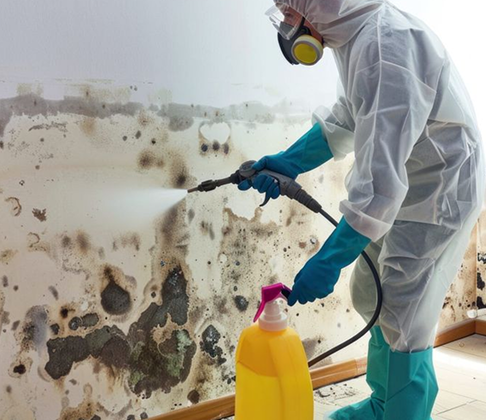

Mold can develop in areas where moisture remains present for an extended period. Leaks, flooding, high humidity, condensation, and water damage can create conditions where mold may grow. Because mold can sometimes develop in hidden areas, property owners may not always notice a problem immediately.
A professional mold inspection can help identify areas where moisture or possible mold growth may be present. The process can provide useful information about the condition of a property and help determine whether further assessment or remediation may be necessary.
What Is Mold?
Mold is a type of fungus that can grow in damp environments. It can appear in different colors and textures and may develop on materials such as drywall, wood, insulation, carpets, and other surfaces when moisture conditions are suitable.
Mold spores are naturally present in the environment. The concern for a building generally arises when moisture allows mold to grow and spread indoors.
Because mold can develop behind walls, under flooring, around plumbing, or in other difficult-to-see areas, identifying the source of moisture is an important part of addressing a potential problem.
What Is a Mold Inspection?
A mold inspection is an assessment of a property to look for signs of moisture, visible mold, and conditions that may support mold growth.
During an inspection, a professional may examine areas such as basements, bathrooms, kitchens, crawl spaces, attics, walls, ceilings, and locations around plumbing systems. The exact process can vary depending on the property and the reason for the inspection.
The purpose is generally to gather information about potential moisture or mold-related concerns and determine whether additional investigation may be appropriate.
Signs That a Property May Have Mold
Some signs of potential mold problems can be easy to notice, while others may require closer examination. Visible spots or discoloration on walls and ceilings may indicate a moisture issue.
A persistent musty odor can also be a reason to investigate an area, particularly when the source of the smell is unclear. Water stains, peeling paint, damaged drywall, condensation, and areas that remain damp can also indicate moisture conditions that may support mold growth.
These signs do not automatically confirm the presence of mold, but they can indicate that further evaluation may be useful.
Common Areas Where Mold Can Develop
Mold can develop in many parts of a property when moisture conditions are present. Bathrooms are common areas because of regular exposure to water and humidity.
Basements and crawl spaces can also experience moisture problems because of leaks, poor drainage, condensation, or groundwater. Kitchens and laundry areas may develop moisture issues around sinks, appliances, and plumbing connections.
Mold can also appear near windows, roofs, pipes, HVAC systems, or other areas where water enters or condensation occurs.
The Importance of Finding Moisture Sources
Addressing moisture is an important part of managing mold-related problems. If a leak continues or an area remains damp, simply cleaning a visible surface may not resolve the underlying issue.
Professionals may look for signs of plumbing leaks, roof problems, water intrusion, condensation, drainage issues, or other sources of moisture.
Finding the source can help property owners understand why a particular area has developed a problem and what steps may be needed to address the conditions.
When Should You Consider an Inspection?
There are several situations where a property owner may consider a professional evaluation. Recent water damage, flooding, plumbing leaks, or roof leaks can create conditions where mold may develop.
An inspection may also be considered when there is a persistent musty odor, unexplained discoloration, or visible growth in an area where moisture has been present.
Properties that have experienced repeated water problems may also benefit from an assessment to identify areas that require additional attention.
Mold Inspection After Water Damage
Water damage can affect different materials throughout a property. If wet materials are not properly dried, moisture can remain in hidden areas.
After a flood, burst pipe, appliance leak, or other water event, property owners may need to assess affected areas carefully. Walls, flooring, insulation, cabinets, and other materials can retain moisture depending on the severity of the incident.
A mold inspection after water damage can help identify areas that may require further evaluation, particularly when drying was delayed or moisture remains present.
What Happens During an Inspection?
The inspection process can vary depending on the property and the concerns being investigated. A professional may begin by discussing the property's history, including previous leaks, flooding, repairs, or other moisture events.
The property may then be visually examined for signs of moisture or possible mold growth. Areas with visible damage or unusual odors may receive additional attention.
In some situations, additional testing or sampling may be considered. Whether testing is appropriate depends on the circumstances and the purpose of the assessment.
Inspection vs. Mold Remediation
Inspection and remediation are different services. An inspection focuses on assessing conditions and identifying potential areas of concern, while remediation involves addressing and removing mold contamination and correcting moisture conditions.
The appropriate next step depends on the findings. Not every moisture issue requires the same response, so an assessment can help property owners understand what may need to be addressed.
If mold growth is confirmed or extensive contamination is suspected, qualified professionals can determine the appropriate remediation approach.
Preventing Future Mold Growth
Preventing moisture problems can help reduce the conditions that allow mold to develop. Property owners can address plumbing leaks quickly, maintain roofs and gutters, improve ventilation, and monitor areas where condensation commonly occurs.
Bathrooms and kitchens should have adequate ventilation, while basements and crawl spaces should be monitored for moisture.
After water damage, affected areas should be dried as quickly and thoroughly as appropriate. Regular maintenance can also help identify small problems before they become larger moisture issues.
Choosing a Professional Service
When selecting a company for a mold inspection, property owners should consider experience, qualifications, inspection procedures, and the type of documentation provided.
It is useful to ask what areas will be inspected, whether moisture detection is included, and whether additional testing may be recommended when appropriate.
Clear communication can help property owners understand the findings and determine what steps may be needed afterward.
Why Professional Evaluation Can Be Useful
Hidden moisture can be difficult for property owners to identify without appropriate tools or experience. A professional assessment can provide a more systematic review of areas that may otherwise be overlooked.
A mold inspection can also help property owners understand whether visible signs are connected to a larger moisture problem. Identifying the source early may help prevent additional property damage.
Conclusion
Moisture problems can create conditions that allow mold to develop in homes and commercial properties. Leaks, flooding, humidity, condensation, and water damage are some of the situations that may require closer attention.
A mold inspection can help identify visible signs, moisture conditions, and areas that may need further evaluation. By addressing moisture sources, maintaining the property, and responding quickly to water damage, property owners can take practical steps toward maintaining a cleaner and better-maintained indoor environment.






Top comments (0)