
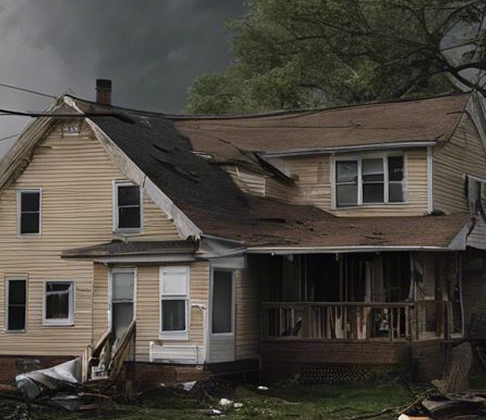

Severe weather can cause significant damage to homes and commercial properties. Heavy rain, strong winds, hail, and falling trees can damage roofs, break windows, flood basements, and leave debris across a property. After a storm passes, taking the right steps can help protect your building and prevent additional problems. Professional storm damage cleanup focuses on removing debris, addressing water intrusion, assessing affected areas, and preparing the property for repairs.
Understanding the cleanup process helps property owners make informed decisions during a stressful situation. Whether a storm has caused minor exterior damage or extensive flooding, prompt action can make the recovery process more manageable.
Common Types of Storm Damage
Storms can affect properties in several ways, depending on the severity of the weather and the condition of the building. Strong winds may remove shingles, damage siding, break windows, or cause tree branches to fall onto roofs. Heavy rainfall can enter through damaged roofing, collect around foundations, or flood lower levels of a building.
Hail may leave dents in exterior surfaces and damage roofing materials. In more severe situations, fallen trees and flying debris can damage structural components. These problems may not always be immediately visible, which is why a careful inspection is an important part of storm damage cleanup.
Why Prompt Storm Damage Cleanup Matters
Waiting too long to address storm damage can lead to additional complications. Water entering through a damaged roof or broken window may spread into insulation, flooring, drywall, and other building materials. If moisture remains trapped, mold may develop and create further cleanup requirements.
Debris left around a property can also create hazards, particularly when it includes broken glass, damaged roofing materials, or fallen branches. Professional cleanup helps identify immediate concerns, remove accessible debris safely, and address moisture before the damage becomes more extensive.
After a storm, property owners should avoid rushing into repairs before the affected areas have been properly assessed. A clear understanding of the damage helps determine which cleanup and restoration steps are necessary.
Initial Property Inspection and Safety
Before cleanup begins, the property should be checked for immediate safety concerns. Downed power lines, unstable trees, damaged electrical systems, gas leaks, and weakened structural components can make an area dangerous. Property owners should stay away from these hazards and contact the appropriate emergency services or utility providers when necessary.
A professional inspection can help identify visible damage and areas that may require additional evaluation. This may include checking roofing, exterior walls, windows, ceilings, flooring, and areas where water has entered the building.
Documentation is also important. Taking photographs of the damage before removing debris or beginning repairs can help with insurance claims. Property owners should keep relevant receipts, inspection reports, and communications with their insurance company.
Removing Storm Debris
Storms can leave branches, leaves, damaged fencing, roofing materials, and other debris across yards, driveways, and buildings. Removing these materials helps make the property safer and allows restoration work to proceed.
The cleanup process depends on the type and amount of debris involved. Small, safe items may be collected by property owners, but heavy tree limbs, unstable structures, and materials near electrical hazards require professional attention. Damaged roofing or siding should also be handled carefully to prevent injuries.
Effective storm damage cleanup includes organizing debris for appropriate disposal and checking the surrounding area for additional hazards. Clearing access routes can also help restoration professionals reach damaged sections of the property.
Water Removal and Moisture Control
Water intrusion is one of the most common problems following severe weather. Rain can enter through roof openings, damaged windows, foundation cracks, and other vulnerable areas. Floodwater may also enter basements, garages, and ground-floor rooms.
When water has accumulated inside a building, appropriate extraction equipment may be needed to remove it. Restoration professionals can assess affected materials, identify areas where moisture has spread, and use suitable drying equipment to reduce dampness.
Moisture checks are important because walls, carpets, insulation, and subflooring may retain water even after visible puddles have disappeared. Proper drying helps reduce the risk of secondary damage and creates better conditions for repairs.
Floodwater may contain contaminants, so cleanup methods should match the water source and the level of contamination. People should avoid entering flooded areas if electrical hazards or structural risks may be present.
Preventing Mold After a Storm
Damp building materials can support mold growth when moisture remains for an extended period. Roof leaks, wet drywall, soaked carpets, and damp insulation should therefore be evaluated as part of the restoration process.
The most important steps are to identify the moisture source, dry affected areas thoroughly, and remove materials that cannot be safely restored. Simply covering a water stain or painting over a damp surface will not solve the underlying problem.
If mold is already visible or moisture has affected a large area, professional assessment may be appropriate. Prompt attention can help prevent a small moisture problem from developing into a more extensive restoration project.
Roof Repairs and Structural Restoration
Once immediate hazards have been addressed and the property has been cleaned, repair work can begin. Depending on the storm, this may involve replacing damaged shingles, repairing siding, securing windows, fixing gutters, or addressing damaged interior finishes.
Some damage requires additional evaluation before repairs can safely proceed. For example, a fallen tree may affect roof supports, while prolonged water exposure may weaken certain materials. Qualified contractors can determine the appropriate repair methods and whether specialized services are needed.
Cleanup and repairs should be coordinated carefully. Removing debris and drying affected areas before rebuilding can help prevent moisture from being trapped behind new materials.
Choosing a Storm Damage Cleanup Company
Selecting an experienced restoration company can make the recovery process easier. Property owners should look for a provider that explains its inspection process, identifies safety concerns, communicates clearly, and provides a written scope of work when appropriate.
It is helpful to ask whether the company handles debris removal, water extraction, structural drying, and coordination with repair contractors. Not every provider offers every service, so understanding the available services helps avoid confusion.
Property owners should also review insurance requirements before authorizing major work. A restoration company may provide documentation and photographs, but coverage decisions are made according to the insurance policy and the insurer's assessment.
Conclusion
Storms can cause roof damage, flooding, broken windows, fallen trees, and other problems that require immediate attention. A well-planned storm damage cleanup process helps address hazards, remove debris, manage moisture, and prepare damaged areas for repairs. Taking prompt action can reduce the risk of additional damage and make property recovery more efficient.
By arranging a careful inspection, addressing water intrusion, and choosing qualified restoration professionals when needed, homeowners and businesses can take practical steps toward restoring a safe and functional property after severe weather.







Top comments (0)