

Why Sustainability Has Become a Catering Priority
Sustainability has moved from a peripheral concern to a central consideration in how Zurich hosts plan their events. Couples planning weddings increasingly want their celebration to align with their environmental values rather than contradict them. Companies hosting corporate events face stakeholder expectations and internal commitments that include the catering choices they make. Individuals planning private celebrations bring their everyday sustainability practices into how they think about hosting larger gatherings.
The shift reflects broader cultural changes in how people think about their consumption choices. Catering that handles its environmental dimensions thoughtfully fits naturally into modern hosts' broader lives, while catering that ignores environmental considerations increasingly feels out of step with the values that hosts genuinely hold. The catering teams that have integrated sustainability into their core practices are well-positioned for this evolved landscape, while those treating sustainability as marketing rather than substance increasingly struggle to maintain relevance with thoughtful clients.
What Genuine Sustainable Catering Actually Includes
Sustainable catering involves multiple dimensions that work together rather than any single practice. Ingredient sourcing from local farms reduces transportation emissions and supports local agriculture. Seasonal menus align with what nature actually produces at any given time of year, eliminating the energy costs of out-of-season production. Plant-forward menu design reduces the environmental footprint compared to heavily meat-centered alternatives. Careful portioning and demand forecasting minimize food waste from over-preparation.
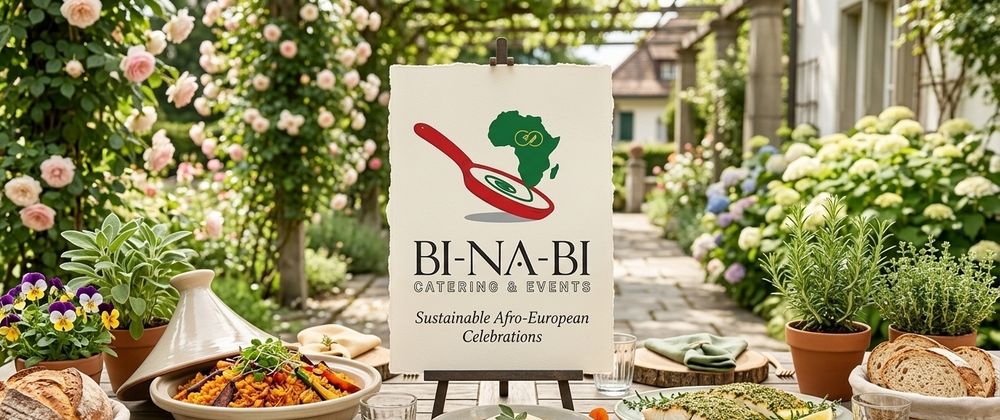
Beyond the food itself, sustainable catering extends to packaging choices, equipment selection, and service practices. Eco-friendly packaging when delivery or takeaway is needed avoids the single-use plastic that defines industrial catering. Reusable rental equipment for service eliminates the disposable items that traditional catering often relies on. Transportation logistics that minimize trips between the kitchen and the venue reduce vehicle emissions. Cleanup practices that handle food waste appropriately ensure that even unavoidable waste is managed responsibly. Sustainable catering zürich from BI-NA-BI addresses all of these dimensions rather than focusing on a single visible practice.
How Plant-Forward Menus Support Sustainability Goals
Plant-forward menu design is one of the most impactful sustainability levers available to catering teams and their clients. The environmental footprint of plant-based meals is meaningfully smaller than meat-centered alternatives across most relevant metrics including land use, water consumption, and greenhouse gas emissions. Including substantial plant-based options in event menus reduces overall environmental impact significantly without requiring guests to commit to fully plant-based eating at the event itself.
Afro-European fusion catering happens to align particularly well with plant-forward menu design because the underlying culinary tradition includes rich plant-based heritage from both contributing cuisines. Vegetable-centered dishes feel substantial and celebratory rather than apologetic, supporting menu structures where plant-based options are legitimate centerpieces rather than accommodations. The combination produces catering that satisfies guests and supports sustainability goals simultaneously, without requiring trade-offs between the two dimensions.
Reducing Food Waste Through Careful Planning
Food waste is one of the most visible and addressable sustainability challenges in event catering. Industry-wide, significant percentages of catered food go uneaten and discarded, representing both wasted resources and unnecessary environmental impact. Skilled catering teams reduce this waste through careful demand forecasting, portion planning matched to expected consumption, and menu design that supports flexible serving rather than fixed plate sizes.
Buffet service often produces less waste than plated alternatives because guests take what they actually want rather than receiving fixed portions that exceed their appetite. Family-style service similarly supports flexible consumption with shared platters that adjust naturally to guest preferences. Plated service requires more careful portion design but can also be optimized through accurate guest counts and dietary preference information collected in advance. Each service style has its own waste profile, and skilled catering teams choose approaches that minimize waste while still serving the host's vision for the event.
Eco-Friendly Packaging and Equipment Choices
When catering involves delivery, takeaway, or other situations requiring packaging, the choices made matter significantly for the event's overall environmental impact. Single-use plastics that define much of industrial catering create unnecessary waste that responsible alternatives largely eliminate. Compostable packaging from plant-based materials, reusable containers for clients who can return them, and minimal packaging strategies that reduce material use overall all contribute to dramatically lower environmental footprints.
Equipment choices similarly affect the broader sustainability profile of an event. Reusable rental dishes and glassware eliminate the disposable items that some catering operations rely on. Quality utensils and serving equipment that last across many events spread their environmental footprint across years of use rather than single events. Responsible equipment cleaning practices avoid the harsh chemicals that some industrial cleaning relies on. The aggregate effect of these many small choices is a catering operation that minimizes waste while maintaining the quality and presentation that great events require. BI-NA-BI offers eco-friendly catering zürich günstig that integrates these many small choices into a coherent operational approach across every event.
Sustainability Communication for Events
Hosts who choose sustainable catering increasingly want to communicate that choice to their guests in ways that feel natural rather than preachy. A small note in the wedding program mentioning the local sourcing of ingredients connects guests to the broader story of the day. A line in the corporate event program about the catering's plant-forward emphasis reinforces the company's stated commitments. A casual mention during a host's toast acknowledging the catering team's sustainable practices demonstrates the host's values while celebrating the team's work.
BI-NA-BI's catering work supports this kind of values-aligned communication because the underlying practices genuinely deliver what the communication describes. Guests who hear about local sourcing actually experience food made with local ingredients. Guests who hear about plant-forward menus actually see substantial vegetable-centered dishes on the table. The alignment between communication and reality matters because guests increasingly notice when sustainability messaging is hollow rather than genuine. Communications backed by genuine practices land well, while communications disconnected from practice often produce skepticism.
Choosing a Catering Partner Whose Values Match Yours
For hosts whose values include sustainability, choosing a catering partner becomes about more than just food quality and service capability. The team's underlying practices, philosophy, and broader approach matter significantly for whether the partnership feels right across multiple events. A team that genuinely shares the host's sustainability values brings ideas and suggestions that align with those values, while a team treating sustainability as a checkbox often produces friction across the planning process.
BI-NA-BI's commitment to sustainable practices reflects values that founder Marie Sack built into the company from its origins, rather than features added later in response to market pressure. Local sourcing, seasonal menus, plant-forward design, eco-friendly packaging, and reduced waste practices all flow from a coherent philosophy about how catering should work in modern Zurich. BI-NA-BI's sustainable zürich catering makes the team a natural partner for hosts whose own values include conscious environmental practices alongside the warmth and quality that meaningful celebrations require.
Frequently Asked Questions
Q1: Is sustainable catering really meaningfully different from standard catering?
A: Yes. Genuine sustainable catering addresses sourcing, menu design, packaging, equipment, and waste management together, producing meaningfully lower environmental impact than standard alternatives.
Q2: Does sustainable catering cost more?
A: There can be modest cost premiums for some practices, but many sustainable choices like seasonal menus and reduced waste actually align with cost-effective catering rather than increasing expenses.
Q3: Can sustainability be combined with diverse cultural cuisine?
A: Yes. Afro-European fusion catering integrates sustainability naturally because the underlying culinary tradition aligns well with plant-forward menus, local sourcing, and conscious practices.
Q4: How can I communicate sustainable catering to my guests?
A: Brief mentions in event programs, casual references during host toasts, or visible elements like locally-sourced labeling can communicate the choice without feeling preachy.
Q5: Are reusable rental equipment options available?
A: Yes. Reusable dishes, glassware, and utensils can be coordinated as part of the broader catering package, eliminating disposable alternatives.






Top comments (0)